George Mahommed Earns FIDE Master Title After Strong Chess Olympiad Performance

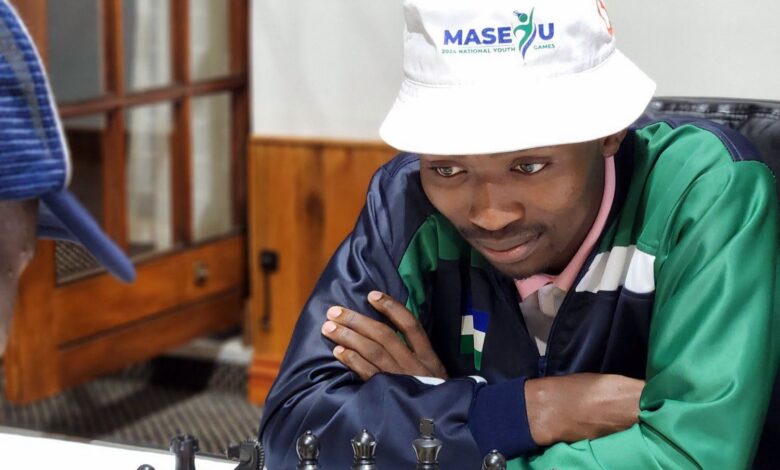
George Mahommed has become the latest Mosotho to earn the FIDE Master title after producing an impressive performance at the 46th Chess Olympiad in Samarkand, Uzbekistan. Mahommed scored 6.5 points from nine games, recording six wins, one draw and two losses. His achievement is particularly notable because he entered the tournament with a FIDE rating of 1977, far below the normal 2300 rating threshold associated with the FIDE Master title. The result represents a major milestone in his chess career and another important moment for chess in Lesotho. It also highlights the value of international competition in giving Basotho players opportunities to test themselves against strong opposition.
The 46th Chess Olympiad was held in Samarkand from September 16 to September 27 and featured 11 rounds involving players and teams from around the world. The Chess Olympiad is widely regarded as the biggest team event in international chess and brings together players representing their countries on one of the sport’s most important stages. For Lesotho, the tournament provided an opportunity for its players to compete against opponents with considerable international experience. Mahommed took full advantage of that opportunity and emerged with the strongest individual score among the five players in Lesotho’s open section team. His six victories, one draw and two losses gave him a total of 6.5 points from nine games and marked a significant achievement for Lesotho chess.
Mahommed’s achievement stands out because of the rating he carried into the competition. With a FIDE rating of 1977, he was well below the normal 2300 rating threshold associated with the FM title. His performance in Samarkand therefore showed the importance of strong results against rated opposition. The title is an important milestone for Mahommed and adds his name to Lesotho’s growing group of titled players. It also provides encouragement for other Basotho players who hope to make progress in competitive chess. For young players following his progress, the achievement offers a clear example of how international competition can create opportunities for major development.
The Lesotho open section team included Mahommed alongside Candidate Masters Tokelo Klaas, Lebajoa Tšephe and Karabo Mokete, as well as Bokang Motsamai. The team faced the demanding task of competing against players from established chess nations with considerable international experience. Chess Federation of Lesotho vice-president Moorosi Moorosi said there was jubilation within the team when they realised Mahommed had achieved the title. He described the Olympiad as the biggest stage for the country and compared its importance in chess to the World Cup in football. His comments reflected the significance of seeing Basotho players compete directly against some of the strongest players in the sport.
Moorosi said Mahommed’s performance was more than an individual success because it demonstrated the progress of chess in Lesotho. He explained that the country had not always had players with opportunities to compete at such a high level. Competing against strong international opposition can give players valuable lessons while also raising the profile of chess at home. Mahommed’s result is therefore likely to encourage the federation to continue creating opportunities for players at different levels. It also gives the local chess community a positive result around which to build greater interest in the sport.
Mahommed was not the only Basotho player to reach an important milestone during the tournament. Boitumelo Sethabathaba earned the Woman Candidate Master title after recording four wins, one draw and five losses in 10 games. Her achievement gives Lesotho another newly titled player and adds to the growing number of Basotho competitors gaining international recognition. Moorosi said the team discovered during the competition that Mahommed had become a FIDE Master and that congratulations began coming from different people. The achievements of Mahommed and Sethabathaba made the Olympiad an especially memorable tournament for Lesotho.
The latest achievements come as Lesotho continues to build a larger pool of titled players. Several of the country’s Candidate Masters earned their titles around the 45th Chess Olympiad in Budapest. The steady emergence of titled players suggests that Lesotho is developing competitors capable of gaining recognition on the international stage. Each new title also gives younger players examples of what can be achieved through competition and continued improvement. For the Chess Federation of Lesotho, these developments provide encouragement to keep expanding opportunities for players at different stages of their chess careers.
The performances of the other players in the open section also show the level of competition Lesotho faced in Samarkand. Candidate Master Karabo Mokete played 10 games, winning four and losing six. Candidate Master Tokelo Klaas played nine games, recording three wins, one draw and five losses, while Bokang Motsamai played seven games, winning three and losing four. Candidate Master Lebajoa Tšephe, who entered the tournament as the highest-rated player in the Lesotho team with a rating of 2004, played nine games. He recorded one win, one draw and seven losses, while the official Olympiad results record Mahommed’s 6.5 points as the strongest individual score among the five Lesotho players.
The women’s section also produced important results for Lesotho. Alongside Sethabathaba’s first title, Woman FIDE Master Lieketseng Ngatane produced four wins, one draw and three losses from eight games. Woman Candidate Master Bonolo Ntsielo played 10 games, recording three wins, one draw and six losses. Naleli Teeke played nine games, winning three and losing six, while Pontšo Makhebesela played seven games, winning two, drawing one and losing four. These results demonstrate that Lesotho’s representation at the Olympiad included several players gaining valuable international experience. Continued participation can help the country develop a deeper and more competitive group of players in both the open and women’s sections.
Moorosi believes the growing number of titled players could also help the Chess Federation of Lesotho attract more sponsors. International chess events offer exposure that can be difficult for smaller sporting federations to secure without strong performances from their athletes. Mahommed’s FIDE Master title and Sethabathaba’s Woman Candidate Master title provide fresh examples of what Basotho players can achieve when they receive opportunities to compete internationally. Greater sponsorship could help the federation provide more competitions, training opportunities and other forms of support for players. It could also strengthen the pathway for promising young chess players who need regular competition and development opportunities to progress.
The success in Samarkand reinforces the importance of giving Basotho players access to major international tournaments. Playing against experienced opponents exposes players to different styles, levels of preparation and competitive pressures that cannot always be replicated in domestic events. Such experience can help players identify weaknesses, improve their decision-making and gain confidence in difficult positions. It can also raise the standard of the wider chess community when returning players share their experience with teammates and younger competitors. International participation is therefore not only about individual results but also about building knowledge and competitive depth within Lesotho chess.
George Mahommed’s FIDE Master title is a significant achievement for both the player and the country. His 6.5 points from nine games at the 46th Chess Olympiad gave Lesotho a standout individual performance and showed what can happen when a player performs strongly against international opposition. His achievement, together with Boitumelo Sethabathaba’s Woman Candidate Master title, adds momentum to Lesotho’s growing pool of titled chess players. The results also give the Chess Federation of Lesotho a stronger platform from which to promote the sport, seek sponsorship and create more opportunities for players. As Lesotho continues developing its chess talent, Mahommed’s breakthrough in Samarkand can serve as an important example of how international competition can lead to new milestones.
Join 'Lesotho News' WhatsApp Channel
Get breaking Lesotho news — delivered directly to your WhatsApp.
CLICK HERE TO JOIN