LHDA Strengthens Wetland Conservation Through Advanced Wetland Assessment Training in South Africa
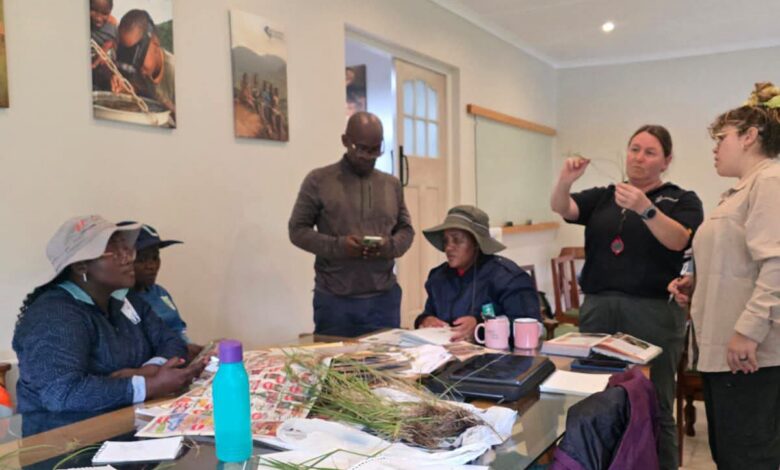
The Lesotho Highlands Development Authority (LHDA) is strengthening its environmental conservation efforts through specialised training aimed at improving wetland assessment, monitoring and management within the Lesotho Highlands Water Project (LHWP). LHDA Environment staff recently attended a six-day advanced Tools for Wetland Assessment (TWA) training course facilitated by GroundTruth Environment and Engineering Consultants in Pietermaritzburg, South Africa. The training focused on equipping participants with updated knowledge, technical skills and practical approaches for assessing wetland health and monitoring changes in wetland ecosystems. The initiative responds to developments in wetland assessment methodologies and technologies, which require environmental professionals to continuously improve their technical capabilities. By investing in staff development, the LHDA aims to strengthen the accuracy and reliability of environmental data while improving its ability to protect wetlands that play an essential role in sustaining the country’s water resources.
The six-day training programme was organised in response to advancements in wetland health assessment methods and the growing availability of tools and technologies used in environmental monitoring. Wetland ecosystems are dynamic environments that can experience changes caused by natural processes and human activities. Assessing their condition requires appropriate technical knowledge, reliable field observations and consistent monitoring methods. As assessment approaches continue to develop, environmental practitioners need to remain familiar with emerging techniques to ensure that their work reflects current scientific understanding and good practice. The training provided LHDA Environment staff with an opportunity to strengthen their understanding of advanced wetland assessment tools and improve their ability to evaluate ecological conditions. These skills are important for making informed decisions about wetland protection, restoration and sustainable management.
GroundTruth Environment and Engineering Consultants facilitated the training in Pietermaritzburg, bringing specialised environmental expertise into the capacity-building programme. The course was designed to strengthen the technical abilities of LHDA personnel responsible for environmental monitoring and conservation activities. Through exposure to advanced Tools for Wetland Assessment, participants gained knowledge intended to improve the way wetland conditions are examined and documented. Effective wetland assessment involves understanding the physical, biological and ecological characteristics of these environments. It also requires identifying factors that influence their health and their ability to perform important environmental functions. Strengthening staff competence in these areas will help the LHDA improve the quality of information used to guide environmental management within the project area.
One of the expected benefits of the training is improved accuracy and reliability in environmental data collection. Reliable data forms the foundation of effective wetland monitoring because it helps environmental specialists identify changes in ecological conditions over time. When assessments use appropriate methods and consistent procedures, they provide a stronger basis for comparing results and understanding whether wetlands are improving, deteriorating or remaining relatively stable. Accurate information also helps identify emerging environmental threats before they develop into more serious problems. For the LHDA, improved data collection will support better planning and more targeted conservation interventions. The knowledge acquired through the training is therefore expected to contribute to stronger environmental monitoring and evaluation across areas associated with the Lesotho Highlands Water Project.
Wetlands are among the most important natural ecosystems within the Lesotho Highlands because of their role in regulating water resources. They function as natural water towers by collecting, storing and gradually releasing water into surrounding catchments and river systems. This natural process contributes to the availability of water that supports the Lesotho Highlands Water Project dams and the wider water supply system. Wetlands also help regulate water movement through landscapes, reducing rapid surface runoff and supporting the maintenance of stream flows. Their ability to retain water makes them particularly important during periods of changing rainfall and seasonal variations in water availability. Protecting these ecosystems is therefore essential to maintaining the natural processes that support the long-term sustainability of water resources in the highlands.
In addition to supporting water availability, wetlands contribute to maintaining water quality. Their vegetation and soils can trap sediments and retain certain pollutants before these substances move into rivers and other water bodies. This natural filtration function helps protect aquatic environments and supports the quality of water entering reservoirs and downstream systems. Healthy wetlands also provide habitats for different plant and animal species, contributing to biodiversity conservation within the highlands. Their ecological importance extends beyond water storage because they support interconnected natural processes that sustain the surrounding environment. When wetlands become degraded, these functions can weaken, potentially affecting water quality, water regulation and the ecological health of entire catchments.
For the LHDA, understanding the condition of wetlands is particularly important because of their relationship with the Lesotho Highlands Water Project infrastructure. The project’s dams and associated water systems depend on the sustainable management of catchment areas that contribute to water supply. Wetlands within these catchments form part of the natural environmental systems supporting the availability and quality of water. Changes in wetland conditions can influence how water moves through the landscape and how effectively natural ecosystems regulate sediment and other materials. Regular monitoring therefore provides important information for understanding environmental changes that could affect the long-term functionality of these systems. By strengthening wetland assessment capacity, the LHDA is investing in the protection of natural assets that contribute to the sustainability of the project.
A central part of effective wetland management is assessing the Present Ecological State (PES) of wetland ecosystems. PES assessment provides an understanding of the current ecological condition of a wetland by examining its characteristics and the extent to which natural processes have been altered. It can help environmental specialists identify signs of degradation, changes in vegetation, disturbances to water movement and other pressures affecting ecosystem health. Regular assessments also make it possible to track changes over time and determine whether conservation measures are producing the desired results. This information is essential for identifying wetlands that require immediate attention and prioritising management interventions. Through improved assessment skills, LHDA Environment staff will be better equipped to generate information that supports informed decisions about wetland conservation.
Monitoring the Present Ecological State of wetlands also helps identify potential threats before they cause extensive environmental damage. Wetlands can be affected by factors such as soil erosion, overgrazing, drainage, infrastructure development and changes in land use. Climate variability can also influence their condition through changes in rainfall patterns, temperature and water availability. These pressures may affect vegetation cover, soil structure and the natural movement of water within wetland systems. Without regular monitoring, gradual changes can go unnoticed until they begin to affect the ecological functions of the wetland. Consistent assessment allows environmental managers to recognise these developments and introduce appropriate protection or restoration measures.
The training is part of the broader environmental conservation measures implemented by the LHDA in collaboration with relevant stakeholders. Environmental protection is an important responsibility within the Lesotho Highlands Water Project because the development and operation of water infrastructure must be balanced with the need to maintain healthy ecosystems. This requires continued investment in environmental monitoring, technical expertise and appropriate conservation interventions. Training staff in advanced assessment methods strengthens the institution’s ability to identify environmental risks and respond to changing conditions. It also supports a more informed approach to managing natural resources within the project area. By building internal technical capacity, the LHDA can strengthen its contribution to sustainable environmental management in the Lesotho Highlands.
The benefits of the training will ultimately depend on how effectively participants apply their acquired knowledge in their daily environmental monitoring and conservation activities. Using improved assessment tools can support more consistent fieldwork, better documentation and stronger evaluation of wetland conditions. The information generated through these activities can help guide decisions about where conservation resources should be directed and which interventions are most appropriate. It can also improve the ability of the LHDA and its stakeholders to evaluate long-term environmental trends. Continued professional development will remain important as wetland science, monitoring technologies and conservation approaches evolve. Regularly updating technical skills will help ensure that environmental management practices remain effective and responsive to emerging challenges.
The LHDA’s investment in advanced Tools for Wetland Assessment training demonstrates the importance of combining institutional capacity development with practical environmental conservation. Healthy wetlands are essential to the natural water systems supporting the Lesotho Highlands Water Project, making their protection a priority for sustainable water management. Through improved Present Ecological State assessments, more reliable data collection and stronger monitoring systems, LHDA Environment staff will be better positioned to identify threats and recommend appropriate conservation measures. The six-day programme in Pietermaritzburg represents an important contribution to strengthening these capabilities. Ultimately, protecting wetlands is not only about conserving valuable ecosystems but also about safeguarding the quality, quantity and long-term availability of water resources for Lesotho and the wider region.
Join 'Lesotho News' WhatsApp Channel
Get breaking Lesotho news — delivered directly to your WhatsApp.
CLICK HERE TO JOIN