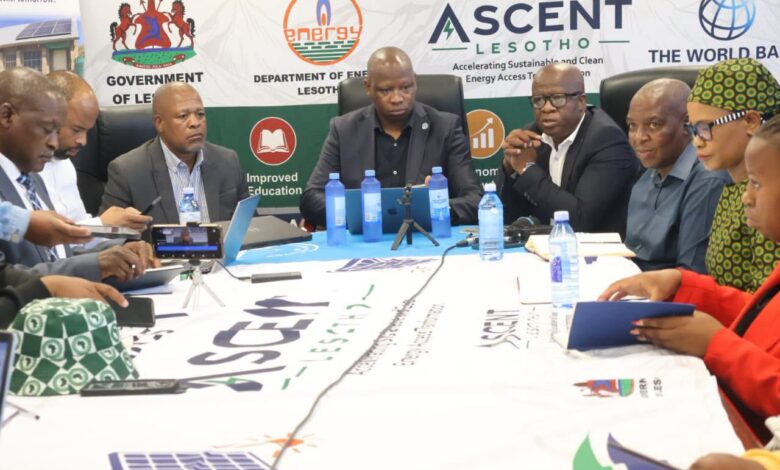
The Government of Lesotho is stepping up efforts to expand access to electricity and promote sustainable energy through Mission 300 and the Accelerating Sustainable and Clean Energy Access Transformation (ASCENT) Programme. The initiatives form part of the country’s broader effort to ensure that more Basotho can access reliable and clean electricity. The Ministry of Energy and Mining provided further details on these programmes during a recent press briefing. Minister of Energy and Mining, Honourable Lejone Mpotjoane, outlined several measures focused on electricity access, clean energy and greater participation by young people in the energy sector. The Government has set a target of ensuring that all Basotho have access to electricity by 2030.
Electricity access remains an important part of Lesotho’s development because households, businesses and communities depend on energy for many daily and economic activities. Expanding electricity connections can create greater opportunities for people to use electrical appliances, operate businesses and participate in an increasingly energy-dependent economy. Mission 300 is supporting Lesotho’s efforts to significantly increase electricity connections across the country. The programme reflects the Government’s focus on reaching more people with electricity as the country works toward universal access. The 2030 target gives the electricity access programme a clear long-term objective and places greater emphasis on accelerating connections.
Clean energy is another important part of Lesotho’s energy strategy. The Minister said that 50 percent of electricity generated in Lesotho currently comes from clean energy sources. This figure highlights the role that clean energy already plays in the country’s electricity sector. The Government is also seeking to increase access to sustainable and clean energy through the ASCENT Programme. By linking wider electricity access with sustainable energy objectives, Lesotho is focusing not only on connecting more people but also on the nature of the energy being developed and used. This approach places clean energy access at the centre of the country’s efforts to improve its electricity system.
Mission 300 is expected to play an important role in accelerating electricity connections in Lesotho. The initiative is focused on significantly expanding access, supporting the Government’s ambition of reaching universal electricity access by 2030. Increasing connections across the country requires continued efforts to reach communities that do not yet have access to electricity. It also requires opportunities for qualified people and businesses to participate in the work associated with the expansion of the electricity sector. The Government’s current approach combines the expansion of electricity access with measures intended to strengthen participation within the local energy industry.
The ASCENT Programme complements these efforts by supporting the broader goal of increasing access to sustainable and clean energy. Its focus is aligned with the Government’s objective of expanding energy access while maintaining attention to cleaner forms of energy. This is particularly relevant as Lesotho seeks to provide electricity to more households and communities. Sustainable energy development can support wider access while contributing to the country’s broader clean energy objectives. Together, Mission 300 and ASCENT represent important components of Lesotho’s efforts to transform electricity access and strengthen the role of clean energy.
The Government is also placing attention on the role of young Basotho in the energy sector. During the briefing, Minister Mpotjoane announced the introduction of Category D under the Lesotho Electricity Company, known as LEC. The new category is designed specifically for young electrical contractors aged 35 years and below who have the required electrical qualifications but may not yet meet the requirements for Categories A, B or C. Some qualified young contractors may face limitations related to experience, financial capacity or equipment, making it difficult for them to qualify for the existing categories. Category D is intended to create an entry point that allows these contractors to begin participating in suitable electrical contracting work.
The introduction of Category D could provide young electrical contractors with an opportunity to build practical experience while developing their businesses. Contractors admitted to the category will be able to undertake lower-risk and smaller-scale work that matches their level of capacity. This gives young professionals an opportunity to demonstrate their skills and gain experience in the electrical contracting sector. Over time, the experience gained through this work can help contractors strengthen their businesses and prepare for greater responsibilities. The initiative therefore connects youth empowerment with the wider expansion of Lesotho’s electricity infrastructure.
Applicants for Category D will undergo an assessment before they are admitted to the category. This assessment is intended to determine whether applicants meet the requirements for participation. The process provides a way to ensure that young contractors entering the programme have the necessary qualifications and capabilities for the work available to them. It also recognises that qualifications alone may not provide the experience, financial strength or equipment required for larger categories of electrical contracting. Category D creates a structured pathway for qualified young people to gain the additional experience and capacity they need.
Mentorship is another key part of the Category D initiative. Young contractors will be linked with experienced contractors operating in Categories A, B or C who can provide guidance and support. This arrangement is designed to help young professionals strengthen their practical knowledge and improve their ability to manage work in the electrical contracting sector. Experienced contractors can provide a valuable source of guidance as younger businesses learn how to handle projects and develop their capabilities. The mentorship component also creates a connection between established contractors and emerging businesses within the energy sector.
The focus on young contractors is significant because the expansion of electricity access can create opportunities beyond the physical connection of households and communities. More electricity projects can require qualified professionals and businesses to carry out electrical work and related activities. By creating a pathway for younger contractors to enter the sector, the Government is seeking to ensure that Basotho can participate in the opportunities created by energy development. Category D can help young contractors move from having qualifications to gaining the practical experience required to grow their businesses. The initiative therefore links youth participation directly with the country’s wider electricity access ambitions.
The Government’s electricity strategy also demonstrates the importance of combining infrastructure development with economic participation. Expanding electricity access requires investment and technical capacity, but it also creates a need for skilled people who can contribute to the sector. Young electrical contractors who receive opportunities to work on suitable projects can build experience while contributing to the country’s energy objectives. The mentorship arrangement adds another layer by giving emerging contractors access to the knowledge of more experienced professionals. This can help create a stronger pipeline of local contractors as Lesotho continues to expand electricity access.
Lesotho’s clean energy position also provides an important foundation for its future electricity development. With 50 percent of electricity generated in the country currently coming from clean energy sources, the Government has highlighted an existing connection between electricity generation and clean energy. The ASCENT Programme supports the broader objective of increasing access to sustainable and clean energy. At the same time, Mission 300 focuses on significantly expanding electricity connections. The combination of these initiatives shows that the Government is pursuing both wider electricity access and a stronger focus on sustainable energy.
The target of universal electricity access by 2030 provides a clear measure against which progress can be assessed. Achieving this goal will require continued expansion of connections and sustained participation from institutions, contractors and communities. The Government’s initiatives suggest that increasing access is being approached as both an infrastructure priority and an opportunity to strengthen the local energy sector. Mission 300 provides a framework for significantly increasing connections, while ASCENT supports the wider clean energy access agenda. The introduction of Category D adds a youth-focused element by creating a pathway for qualified young electrical contractors to participate in the sector.
The Ministry of Energy and Mining’s briefing highlights a broader effort to make Lesotho’s energy transition more inclusive. The Government wants to expand electricity access while also supporting sustainable and clean energy development. At the same time, it is creating opportunities for young Basotho who have the qualifications to enter the electrical contracting industry but may lack the experience, financial capacity or equipment required for higher contractor categories. Category D, together with mentorship from experienced contractors, is intended to help close that gap. These measures connect the country’s electricity access ambitions with opportunities for local skills development and business growth.
Lesotho’s energy agenda is therefore focused on more than increasing the number of electricity connections. It also includes efforts to expand clean energy access and create opportunities for young professionals to contribute to the sector. Mission 300 and the ASCENT Programme support the country’s wider ambition to improve electricity access and promote sustainable energy. The introduction of LEC Category D provides a specific opportunity for qualified young electrical contractors to gain experience and grow their businesses. With the Government targeting electricity access for all Basotho by 2030, these initiatives mark an important effort to expand access while building greater participation in Lesotho’s energy sector.
Join 'Lesotho News' WhatsApp Channel
Get breaking Lesotho news — delivered directly to your WhatsApp.
CLICK HERE TO JOIN