Lesotho Promotes Science, Technology and Innovation to Drive Economic Growth and Improve Lives

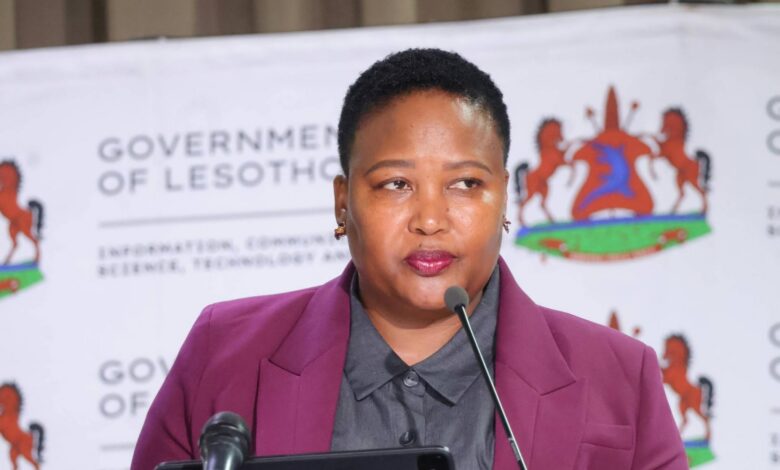
The Government of Lesotho is strengthening its commitment to science, technology and innovation as key drivers of economic growth, job creation and improved living standards. At the opening of the third National Science, Technology and Innovation (STI) Week 2026 in Maseru, the Minister of Information, Communications, Science, Technology and Innovation, Ms Nthati Moorosi, called for greater efforts to turn scientific research into practical solutions that benefit Basotho. She stressed that research should produce results that people can use in their daily lives rather than remain in reports and academic publications. The week-long event brings together stakeholders to explore how scientific knowledge, technological development and creative problem-solving can address Lesotho’s development priorities. Through this initiative, the government aims to strengthen the country’s innovation ecosystem and ensure that research contributes directly to productivity, business development and better public services.
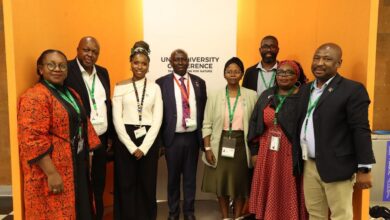
The third National Science, Technology and Innovation Week is being held under the theme “Exploring the Role of Science, Technology and Innovation in Improving Lives and Building a Better Future.” The theme reflects the growing importance of using scientific knowledge and technology to respond to challenges in areas such as agriculture, healthcare, climate resilience and economic development. The event provides a platform for researchers, universities, businesses, government institutions and young innovators to share ideas and explore opportunities for collaboration. It also encourages participants to consider how locally developed solutions can address the specific needs of communities across Lesotho. By bringing these stakeholders together, STI Week seeks to strengthen the connection between research, practical application and national development.
In her keynote address, Ms Moorosi emphasised that Lesotho needs to build a culture in which science, technology and innovation play a central role in solving problems, creating employment and growing the economy. She noted that these fields are no longer limited to universities and research institutions but have become essential components of modern, competitive economies. Countries that develop and apply new technologies can improve productivity, create new business opportunities and respond more effectively to changing economic conditions. For Lesotho, strengthening scientific and technological capacity could help local businesses become more competitive while supporting the development of solutions suited to the country’s needs. The minister’s message highlighted the importance of treating research and innovation as practical tools for improving people’s lives rather than activities separated from everyday economic and social challenges.
A central point in Ms Moorosi’s address was the need to ensure that scientific research leads to tangible results. Research can generate valuable knowledge, but its wider benefits depend on whether that knowledge can be applied in workplaces, farms, factories, businesses, public institutions and communities. Turning research into practical solutions may require product testing, technical development, investment, partnerships and support for commercialisation. Researchers also need opportunities to work with businesses and communities to understand real-world needs and assess whether their ideas can solve existing problems. By encouraging the practical application of research, the government is seeking to close the gap between scientific discovery and solutions that can improve productivity, create employment and support sustainable development in Lesotho.
The government is also working to strengthen the policy and institutional foundations needed to support research and innovation. Ms Moorosi highlighted efforts to advance the Research and Innovation Policy through the necessary approval processes. The policy is intended to improve the translation of scientific knowledge into commercially viable products, technologies and services. A clear policy framework can help establish priorities, guide institutional responsibilities and encourage cooperation between researchers, public institutions and the private sector. Its practical impact will depend on implementation, available resources and the ability of different stakeholders to turn its objectives into working programmes that support innovation across the country.
Commercialisation is particularly important because an innovative idea does not automatically become a useful product or successful business. Researchers and innovators often need support to test their concepts, improve their designs, protect intellectual property where appropriate and determine whether a product or service meets market needs. Businesses may also need access to funding, technical expertise and suitable facilities before they can bring new solutions to market. A stronger innovation system can help connect these different requirements and give promising ideas a better chance of becoming practical products and services. For Lesotho, improving this process could create opportunities for local entrepreneurs, support small businesses and encourage the development of technologies that respond to national priorities.
One of the practical initiatives highlighted by Ms Moorosi involves the development of an artificial intelligence-powered chatbot for agricultural extension services. The Ministry of Information, Communications, Science, Technology and Innovation is working with the Ministry of Agriculture, Food Security and Nutrition on the initiative. The chatbot aims to improve farmers’ access to timely and practical agricultural information and advice. If implemented effectively, such a tool could provide an additional way for farmers to seek guidance and obtain information relevant to their agricultural activities. Its usefulness will depend on the quality and accuracy of the information provided, accessibility for intended users and the ability to respond to the needs of farmers in different parts of Lesotho.
Agriculture remains an important area for applying technology because farmers must make decisions about production, weather conditions, soil management, pests, diseases and other factors that affect their work. Timely information can help farmers understand available options and make more informed decisions about their crops and farming practices. An artificial intelligence-powered chatbot could complement existing agricultural extension services by making selected information easier to access through digital communication. However, digital tools should support rather than automatically replace professional agricultural advice, particularly when farmers face complex problems that require individual assessment. The initiative illustrates how the government intends to explore emerging technologies to address practical challenges and improve access to information in a sector closely linked to livelihoods and food security.
The minister also highlighted efforts to upgrade the High-Performance Computing infrastructure at the Mohale’s Hoek Data Centre. High-performance computing enables researchers and technical specialists to process large amounts of data and perform complex calculations more efficiently than ordinary computing systems can in many applications. The planned upgrade is intended to support scientific modelling, advanced research, data analytics and the development of locally relevant artificial intelligence applications. These capabilities can help researchers investigate complex problems, analyse patterns and develop digital tools for different sectors. Strengthening computing infrastructure could therefore provide a foundation for more advanced research and help build Lesotho’s capacity to develop and apply technology suited to its development needs.
The development of locally relevant artificial intelligence applications is important because technologies designed for one country may not fully address the circumstances of another. Local conditions, available data, language needs, infrastructure and the experiences of intended users can all influence whether a digital solution is useful. Developing local expertise can help researchers and innovators adapt technology to the needs of Basotho rather than depend entirely on solutions created elsewhere. It can also create opportunities for students and technical professionals to build skills in data science, computing and artificial intelligence. Nevertheless, effective adoption requires attention to data quality, privacy, reliability and responsible use, alongside investment in the infrastructure and skills needed to maintain these systems.
Ms Moorosi called on universities, researchers and young innovators to move beyond demonstrating that their ideas are scientifically possible. She urged them to take the next steps of testing, improving, commercialising and deploying their innovations for the benefit of society. This message highlights the difference between an experimental concept and a solution that works reliably in real-world conditions. Testing can reveal weaknesses, user feedback can guide improvements and partnerships can help determine whether an innovation is affordable and suitable for wider use. Encouraging young innovators to follow this process could help Lesotho develop a stronger pipeline of practical solutions while giving emerging entrepreneurs opportunities to apply their knowledge.
Universities and research institutions have an important role in developing the skills and knowledge needed to support this vision. They can train future scientists, engineers and technology specialists while creating opportunities for research into local challenges. Stronger links between academic institutions, government departments and businesses can help ensure that research addresses practical needs and has a clearer path towards implementation. Young innovators can also benefit from mentorship, access to equipment and opportunities to present their ideas to potential partners. By strengthening these connections, Lesotho can encourage a more collaborative innovation environment in which knowledge moves more easily between education, research, industry and communities.
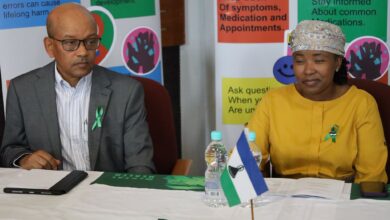
Meanwhile, the Acting Director of the Department of Science, Technology and Innovation, Ms Matšepo Mosoka, reaffirmed the department’s commitment to promoting science, technology and innovation as drivers of sustainable development. The department’s role is important in supporting efforts to strengthen scientific capacity and encourage the practical use of research. Sustained progress requires cooperation among government institutions, educational organisations, researchers, businesses and other stakeholders. It also requires a shared understanding of how innovation can support national priorities and improve the delivery of essential services. The department’s commitment, alongside the minister’s call for practical results, reinforces the government’s focus on making science and technology relevant to everyday development challenges.
The STI Week 2026 programme will examine the application of science, technology and innovation in agriculture, healthcare, digital transformation, climate resilience and the broader innovation ecosystem. These areas reflect a range of challenges where evidence, technical expertise and new approaches can improve outcomes. In healthcare, for example, suitable digital systems and data tools can support information management and service delivery when implemented responsibly. In climate resilience, scientific research can help communities and institutions understand environmental risks and consider appropriate responses. Across these sectors, the value of innovation depends on whether solutions address real needs, remain practical to use and can be maintained over time.
The event also creates opportunities for stakeholders to share knowledge, build partnerships and explore locally developed responses to national challenges. Collaboration is important because many problems cannot be solved by a single institution or area of expertise. Researchers may provide scientific knowledge, businesses may offer production and commercial experience, while government institutions can help establish enabling policies and identify public priorities. Communities can also contribute by explaining the challenges they face and assessing whether proposed solutions work in practice. Bringing these perspectives together can improve the relevance of research and increase the chances that promising innovations will achieve lasting benefits.
The third National Science, Technology and Innovation Week 2026 highlights Lesotho’s ambition to make research and innovation more closely connected to economic opportunity and public well-being. Ms Nthati Moorosi’s call for practical results places responsibility on researchers, universities, businesses and government institutions to ensure that ideas progress beyond theory into useful applications. Initiatives such as the proposed agricultural chatbot and the planned upgrade of high-performance computing infrastructure demonstrate areas where the government is seeking to apply technology to national priorities. The success of these efforts will depend on effective implementation, skilled people, strong partnerships and continued support for innovation. By building a system that helps turn scientific knowledge into practical solutions, Lesotho can strengthen local expertise, create opportunities for economic growth and improve the lives of Basotho.
Join 'Lesotho News' WhatsApp Channel
Get breaking Lesotho news — delivered directly to your WhatsApp.
CLICK HERE TO JOIN