Lesotho Marks World Mental Health Day and World Patient Safety Day with Call for Safer, Inclusive Healthcare

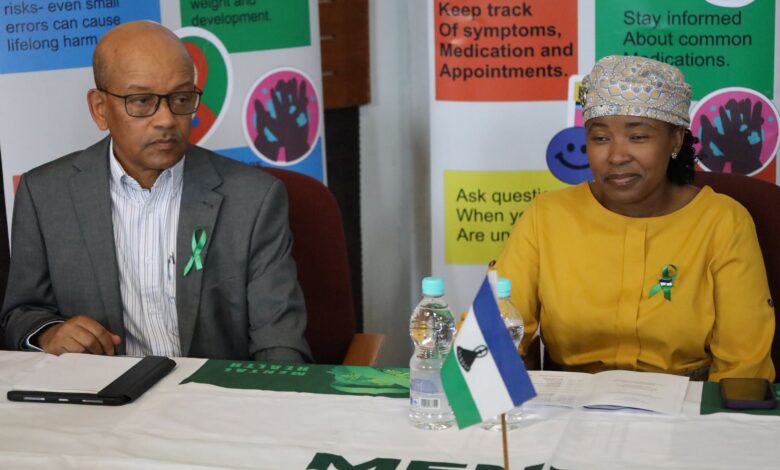
The Ministry of Health in Lesotho, with support from the World Health Organization (WHO), has commemorated World Mental Health Day and World Patient Safety Day, calling for stronger collaboration to improve mental health services and ensure safer, people-centred healthcare for everyone. The event highlighted the importance of protecting human dignity, eliminating stigma and discrimination, and ensuring that people can access the support they need without fear of judgment. Health officials and partners also emphasised the need to strengthen patient safety, improve working conditions for healthcare professionals and raise awareness of mental health challenges within communities. The commemoration brought attention to the close relationship between mental well-being and overall health, reinforcing the importance of treating mental health as an essential part of healthcare. Through renewed commitments from government and development partners, the event aimed to encourage sustained action towards a more inclusive, compassionate and accessible health system in Lesotho.
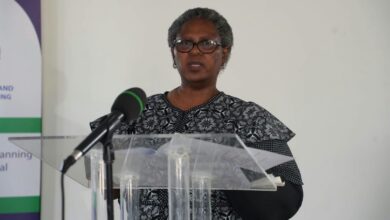
Speaking at the commemoration, Minister of Health Hon. Mamokete Ntšekhe emphasised the importance of dignity, inclusion and listening to people with lived experience of mental health conditions. She highlighted that mental health is an integral part of overall well-being and should receive the same attention and respect as physical health. People experiencing mental health challenges often face stigma, discrimination and misunderstanding, which can prevent them from seeking professional support or discussing their concerns openly. The Minister stressed the need to create an environment where individuals feel safe asking for help and where their experiences are treated with understanding and respect. Her remarks reinforced the importance of building a healthcare system that recognises the rights, needs and personal experiences of every individual.
Mental health remains an important public health concern because it affects how people think, feel, interact with others and manage everyday challenges. Mental health conditions can affect people of different ages and backgrounds, influencing their relationships, education, employment and ability to participate fully in community life. Access to appropriate care can help individuals manage symptoms, improve their quality of life and maintain their social connections. However, many people continue to face barriers when seeking support, including stigma, limited services, financial constraints and a lack of reliable information about available treatment. Addressing these barriers requires coordinated efforts from healthcare providers, government institutions, families, community leaders and organisations working to improve public health.
Minister Ntšekhe called for increased access to psychological support and greater community awareness of mental health issues. Improving access to counselling, psychological services and other appropriate forms of care can help people receive support before their difficulties become more severe. Community awareness is equally important because it can help people recognise mental health concerns, understand when professional assistance may be necessary and respond to affected individuals with compassion. Families, schools, workplaces and community organisations can all contribute by encouraging open conversations and challenging harmful misconceptions. Strengthening these efforts can help create a society where seeking mental health support is understood as a responsible step towards well-being rather than a source of shame.
The Minister also highlighted the importance of safer working environments for healthcare professionals. Health workers play a central role in providing mental health support and delivering essential medical services, yet they may experience demanding workloads, workplace stress and other pressures that affect their well-being. Supporting healthcare workers requires attention to their working conditions, access to appropriate support and the systems they rely on to provide quality care. A workforce that receives adequate support is better positioned to respond to patients with professionalism, empathy and attention to their individual needs. Improving staff well-being is therefore an important part of strengthening healthcare services and promoting patient safety across Lesotho.
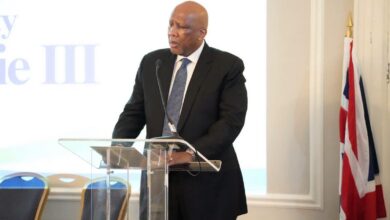
Addressing the gathering, WHO Public Health Officer Dr. Hailu Sirak highlighted the global scale of mental health challenges. He noted that nearly 1.2 billion people worldwide live with a mental health condition, while close to 150 million people in Africa are affected by mental, neurological or substance use disorders. These figures underline the need for stronger public health responses, greater investment in mental health services and improved access to appropriate treatment and support. Mental health conditions can affect individuals, families and communities, making timely care and effective support systems essential. The figures also highlight the importance of ensuring that mental health receives sufficient attention in national health planning and broader development priorities.
Dr. Sirak stressed that stigma, limited access to services and inadequate investment continue to prevent many people from receiving the mental health care they need. Stigma can discourage individuals from speaking openly about their experiences, seeking professional advice or continuing treatment when they encounter difficulties. Limited access to qualified professionals and appropriate facilities can create additional barriers, particularly for people who live far from health services or cannot afford available care. Inadequate investment can also restrict the development of services, the training of healthcare workers and the availability of essential mental health support. Addressing these challenges requires sustained commitment to improving service delivery, strengthening health systems and ensuring that mental health is treated as a core component of public healthcare.
The commemoration also highlighted the importance of patient safety in delivering quality healthcare. Patient safety involves reducing the risk of avoidable harm during the provision of health services and creating systems that protect patients throughout their care. This requires effective communication between healthcare workers and patients, appropriate clinical practices, clear procedures and a working environment that supports safe service delivery. People-centred care also means respecting patients’ rights, explaining treatment options clearly and involving individuals in decisions about their health whenever appropriate. By strengthening patient safety alongside mental health services, healthcare institutions can work towards more reliable, respectful and responsive care.
The connection between mental health and patient safety is particularly important because a person’s emotional and psychological well-being can influence their healthcare experience. Patients experiencing mental health difficulties may need additional support to understand treatment information, communicate their concerns or navigate health services. Healthcare workers must therefore approach patients with sensitivity and recognise that each person has different circumstances and needs. Reducing stigma within health facilities can encourage patients to disclose concerns and seek assistance without fear of discrimination. Integrating mental health awareness into routine healthcare can help ensure that people receive comprehensive support rather than having their psychological needs overlooked.
Collaboration between the Government of Lesotho, the World Health Organization and other partners remains important in addressing these challenges. Government institutions can help establish policies, allocate resources and strengthen the delivery of health services, while international partners can provide technical assistance and support policy implementation. Healthcare professionals, civil society organisations, community leaders and families also have important roles in promoting awareness and encouraging people to seek care. Strong partnerships can help identify gaps in service delivery, improve coordination and support the development of responses that reflect the needs of local communities. Sustained cooperation will be essential to translating commitments made during the commemoration into practical improvements in mental health care and patient safety.
The World Health Organization reaffirmed its commitment to supporting the Government of Lesotho and its partners in advancing accessible, rights-based and people-centred mental health care for all. This includes providing technical support for policy implementation and supporting efforts to strengthen the country’s approach to mental health services. Rights-based care places importance on dignity, equality, participation and protection from discrimination, while people-centred care recognises the individual needs and preferences of those seeking assistance. Making these principles part of everyday healthcare requires continued attention to service accessibility, professional capacity and the experiences of patients. Cooperation between WHO and national stakeholders can contribute to efforts to build a health system that responds more effectively to the needs of people experiencing mental health challenges.
The commemoration concluded with a renewed call for sustained action from all stakeholders to promote mental health awareness, challenge stigma, strengthen patient safety and build a more compassionate and inclusive society. The event reinforced the message that improving mental health services requires more than public awareness campaigns. It also requires accessible support, appropriate investment, safer working conditions for health professionals and healthcare systems that protect the dignity and rights of patients. For Lesotho, continued cooperation between the Ministry of Health, WHO and other partners will be important in turning these priorities into meaningful progress. By placing mental well-being and patient safety at the centre of healthcare planning and service delivery, the country can work towards a more inclusive health system in which everyone has a fair opportunity to receive safe, respectful and appropriate care.
Join 'Lesotho News' WhatsApp Channel
Get breaking Lesotho news — delivered directly to your WhatsApp.
CLICK HERE TO JOIN