Lesotho Reviews Tourism Enterprises Bill to Modernise Tourism Industry and Strengthen Business Regulation

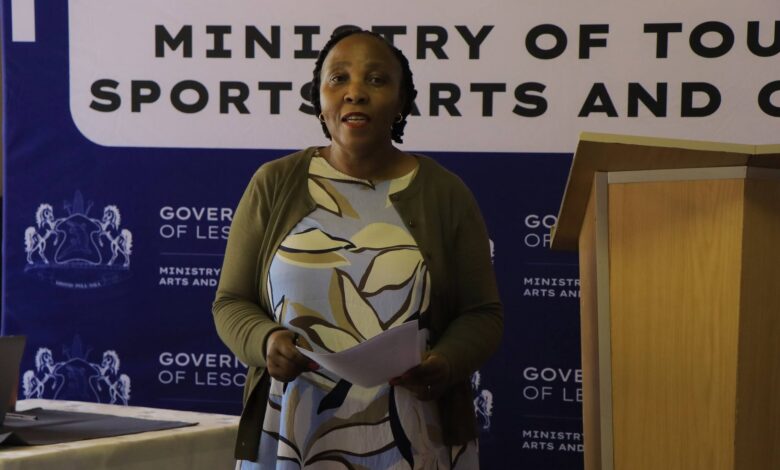
The Ministry of Tourism, Sports, Arts and Culture, through its Department of Tourism, has held a validation workshop on the proposed Tourism Enterprises Bill in Mohale’s Hoek, marking an important step towards modernising the legal framework governing tourism businesses in Lesotho. The proposed legislation aims to improve the regulation of tourism enterprises, promote quality standards and create better conditions for business growth and investment. The workshop brought together stakeholders who were given an opportunity to review the draft Bill and provide recommendations before it progresses towards enactment. The initiative comes as the Ministry seeks to address gaps in the existing Accommodation, Catering and Tourism Enterprises Act of 1997, which officials consider outdated and inadequate for the needs of the modern tourism industry. Through this consultation process, the government aims to establish a more comprehensive framework that supports local entrepreneurs, strengthens industry competitiveness and promotes sustainable tourism development across the country.
Officially opening the workshop, the Director of Tourism, Mrs. Mabolaoana Lieketseng Selinyane, emphasised the importance of introducing legislation that responds to changes in the tourism sector. She explained that the Ministry had identified significant gaps in the Accommodation, Catering and Tourism Enterprises Act of 1997, which remains the existing legal framework for the sector. According to Selinyane, the current law no longer adequately addresses the evolving dynamics and requirements of modern tourism businesses. Changes in visitor expectations, business operations and the wider tourism market have increased the need for clearer and more effective regulatory arrangements. The proposed Tourism Enterprises Bill is intended to address these concerns by providing a stronger legal foundation for the development, management and regulation of tourism enterprises in Lesotho.
Tourism is an important sector for countries seeking to create employment, attract investment and promote local economic activity. In Lesotho, tourism businesses can include accommodation providers, restaurants, tour operators and other enterprises that offer services to visitors. These businesses contribute to the visitor experience and can create opportunities for local communities, entrepreneurs and workers. However, the sector requires clear regulations to ensure that businesses operate responsibly, meet appropriate standards and provide reliable services to customers. The proposed Tourism Enterprises Bill seeks to strengthen this regulatory environment while creating conditions that allow tourism businesses to grow and contribute more effectively to the national economy.
One of the main objectives of the proposed legislation is to establish a more comprehensive framework for licensing and regulating tourism enterprises. Clear licensing requirements can help authorities determine whether businesses meet the conditions needed to operate within the sector. Effective regulation can also improve accountability by clarifying the responsibilities of tourism operators and the standards they are expected to maintain. For business owners, transparent procedures can make it easier to understand regulatory obligations and plan their operations accordingly. The effectiveness of these measures will depend on the final provisions of the Bill and how they are implemented once the legislation is enacted.
The proposed Bill also aims to address grading and quality standards within the tourism industry. Grading systems can help visitors understand the level of service and facilities they can expect from different tourism establishments. Consistent standards can encourage businesses to improve their services and maintain facilities that meet recognised requirements. They can also support fairer competition by establishing common expectations for enterprises operating in similar categories. For Lesotho, stronger quality assurance could help improve visitor confidence and strengthen the country’s ability to compete as a tourism destination, provided the standards remain practical and are applied consistently.
Another important element highlighted by Selinyane is support for local entrepreneurs. Small and locally owned tourism businesses can play a significant role in ensuring that tourism income benefits communities and creates opportunities beyond major commercial centres. However, entrepreneurs may face challenges related to business registration, regulatory requirements, access to investment and the ability to meet industry standards. A well-designed legal framework can help clarify the requirements for entering the sector and create a more predictable environment for business development. The extent to which the new legislation supports local enterprises will depend on the measures included in the final Bill and the support available to businesses as they adapt to the regulatory framework.
The proposed legislation is also intended to create a more conducive environment for investment and sustainable tourism development. Investors generally need clear rules, predictable procedures and confidence that businesses can operate within a consistent regulatory system. A modern legal framework can help reduce uncertainty by explaining the requirements that apply to tourism enterprises and establishing clearer expectations for compliance. At the same time, sustainable tourism development requires attention to the environmental, social and economic effects of tourism activities. By strengthening regulation and encouraging responsible business practices, Lesotho can work towards tourism growth that creates economic opportunities while respecting the country’s natural and cultural assets.
The validation workshop in Mohale’s Hoek provided stakeholders with an opportunity to examine the draft Tourism Enterprises Bill and submit their views on its proposed provisions. This consultation is important because businesses, industry representatives and other stakeholders may have different experiences of the existing legal framework and different concerns about future regulation. Their contributions can help identify unclear provisions, practical implementation challenges and areas where the draft legislation may require further refinement. An inclusive consultation process can also help build greater understanding of the proposed law among the people and organisations expected to comply with it. The feedback gathered during the workshop will contribute to efforts to ensure that the final document reflects the realities and aspirations of participants across the tourism sector.
The Ministry’s nationwide consultation process reflects the importance of stakeholder participation in developing legislation that affects business operations and industry development. Consulting stakeholders before a Bill is tabled for enactment allows officials to consider practical concerns and assess whether proposed measures can work effectively in different settings. It also gives tourism operators and other interested parties an opportunity to contribute to discussions about the future direction of the sector. For consultation to produce meaningful results, the feedback received must be carefully considered during the revision of the draft legislation. This process can help improve the quality of the final Bill and strengthen confidence in the regulatory changes being proposed.
Once the consultation process is completed, the proposed Tourism Enterprises Bill is expected to proceed through the relevant legislative process before it can become law. Until enactment, the draft remains a proposal, and its final requirements will depend on the provisions approved through that process. The validation workshop therefore represents a stage in the development of the legislation rather than the introduction of new legal obligations for tourism businesses. Stakeholders will need to follow further developments to understand the final licensing, grading, compliance and business support arrangements. Clear communication about the eventual requirements will be important in helping enterprises prepare for any changes once the legislation takes effect.
The Tourism Enterprises Bill represents an opportunity for Lesotho to update the legal framework governing its tourism industry and respond to the needs of a changing business environment. By addressing the gaps identified in the 1997 Act, the proposed legislation aims to strengthen regulation, improve service quality, support local entrepreneurs and encourage investment in sustainable tourism. The validation workshop in Mohale’s Hoek forms part of a broader effort to ensure that the proposed law benefits from stakeholder input before it is presented for enactment. The Bill’s long-term impact will depend on the final legislation, effective implementation and continued cooperation between government and tourism industry participants. A clear and practical regulatory framework could help Lesotho build a more competitive tourism sector, expand opportunities for local businesses and improve the quality of services available to visitors.
Join 'Lesotho News' WhatsApp Channel
Get breaking Lesotho news — delivered directly to your WhatsApp.
CLICK HERE TO JOIN