Lesotho Strengthens Its Digital Transformation Agenda Through Smart Africa Alliance

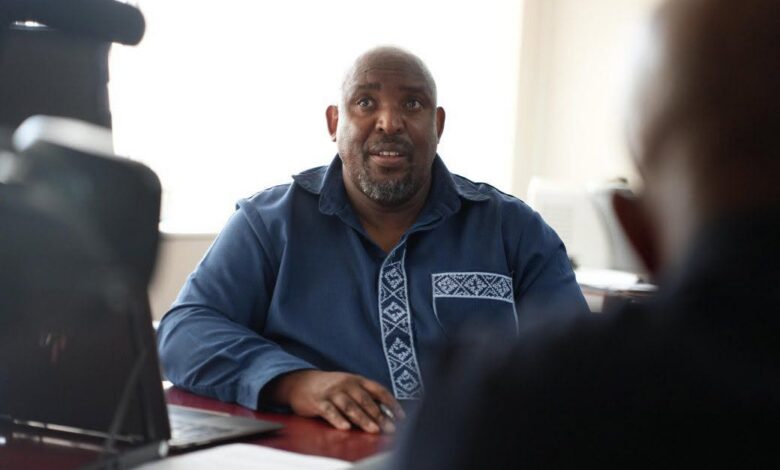
Lesotho is strengthening its participation in Africa’s digital transformation agenda through its involvement in the Smart Africa Alliance. Minister of Information, Communications, Science, Technology and Innovation, Honourable Nthati Moorosi, is participating virtually in the 21st meeting of the Smart Africa Alliance. The meeting provides an opportunity for African countries to discuss digital policies, technology initiatives and practical measures that can support digital transformation across the continent. According to Principal Secretary in the Ministry, Mr. Kanono Ramashamole, the meeting represents another step in advancing Africa’s digital transformation agenda. Lesotho’s participation also reflects the country’s growing engagement with continental efforts focused on technology, innovation and digital development.
The Smart Africa Alliance, endorsed by the African Union, supports member states as they implement digital transformation initiatives. The alliance provides a platform where African countries can work together on shared technology priorities and exchange approaches to digital development. Cooperation of this nature can help countries address common challenges linked to digital infrastructure, innovation, digital skills and technology policy. It also gives member states an opportunity to participate in discussions that can influence the continent’s broader digital direction. For Lesotho, membership provides a channel through which the country can engage with other African states on issues that are increasingly important to economic and social development.
Lesotho officially joined the Smart Africa Alliance in November or December 2025, according to the information provided by the Ministry. The current meeting marks the country’s second representation at Smart Africa Alliance meetings since becoming a member. This continued participation is significant because membership can only provide practical value when a country remains actively involved in the alliance’s programmes and discussions. Lesotho’s participation allows the country to follow developments in continental digital policy while also identifying initiatives that can support its own technology priorities. It also gives Lesotho an opportunity to contribute to discussions concerning the future of Africa’s digital economy.
Since joining the alliance, Lesotho has already benefited from several initiatives. These include Artificial Intelligence training, the Data Value Blueprint and the Women and Girls in ICT Digital Strategy. These programmes cover different areas of digital development, from emerging technologies and data use to greater participation by women and girls in information and communication technology. Access to AI training can help strengthen digital skills at a time when artificial intelligence is becoming increasingly important across many sectors. The Data Value Blueprint can support discussions around the effective use of data, while the Women and Girls in ICT Digital Strategy focuses attention on participation and opportunities for women and girls in the technology sector.
Artificial intelligence is becoming an increasingly important part of discussions about Africa’s digital future. AI can affect areas such as education, public services, business, research and economic activity, but countries need appropriate skills and frameworks to use the technology effectively. Lesotho’s participation in AI training through the Smart Africa Alliance provides an opportunity to strengthen understanding of this rapidly developing field. Training can help officials and other participants better understand how AI can be applied and what considerations need to accompany its adoption. Continued investment in digital skills will remain important as technology develops and creates new opportunities and challenges.
Data is another important part of the continent’s digital transformation. Modern digital services depend heavily on the ability to collect, manage, analyse and use data effectively. The Data Value Blueprint is therefore relevant to efforts to strengthen the role of data in Africa’s digital economy. For Lesotho, engagement with data-focused initiatives can contribute to broader discussions about how data can support innovation and digital services. Effective data use also requires attention to appropriate governance and responsible practices, making policy discussions an important part of digital transformation.
The Women and Girls in ICT Digital Strategy highlights another dimension of Lesotho’s digital development efforts. Increasing participation in information and communication technology can help expand the pool of people who contribute to the digital economy. Women and girls can benefit from opportunities to develop technology skills, pursue digital careers and participate in innovation. Digital transformation can have broader economic benefits when more people have the skills and opportunities needed to participate. The strategy therefore adds an inclusion component to the technology agenda and recognises the importance of ensuring that digital opportunities are accessible to a wider section of society.
Efforts are also underway to establish the Smart Africa Digital Academy in Lesotho. The proposed academy could provide an important platform for developing digital skills and strengthening technology-related capacity in the country. Digital transformation depends not only on infrastructure and policies but also on people who can design, manage and use digital systems effectively. Establishing a local Smart Africa Digital Academy would align with the wider focus on digital skills development and capacity building. The progress and eventual operation of the academy will be important factors in determining how effectively Lesotho can expand access to digital training.
The 21st Smart Africa Alliance meeting is expected to address several important issues affecting Africa’s digital transformation. One of the discussions concerns the approval of the Internet Governance framework. Internet governance involves the policies and approaches used to address issues surrounding the development and use of the internet. Effective governance can help countries deal with the opportunities and challenges created by expanding digital connectivity. Lesotho’s participation in these discussions gives the country an opportunity to remain engaged with continental conversations about how the digital environment should develop.
The meeting will also include the soft launch of the African Civil Drone Blueprint. The initiative is relevant to the growing use of drone technology and the need for appropriate approaches to its development and application. Civilian drones can have uses in areas such as surveying, monitoring and other activities, but their expansion also requires suitable policies and regulatory considerations. A continental blueprint can contribute to greater coordination among African countries as drone technology develops. Lesotho’s participation in this discussion can help the country remain informed about emerging approaches to civil drone development across Africa.
Another issue on the agenda is the Mentorship Framework. Mentorship can support knowledge transfer by connecting people with experience to individuals seeking to develop their skills and professional capacity. Within the technology sector, mentorship can help strengthen digital skills and encourage greater participation in innovation. A framework at the continental level can provide a structured basis for cooperation and professional development. The discussion is therefore relevant to efforts to build the human capacity needed to support Africa’s digital transformation.
The Smart Africa Alliance currently brings together 42 African countries that are working collectively to advance digital transformation across the continent. The scale of the alliance provides a platform for countries to address digital issues through regional cooperation rather than working entirely in isolation. African countries have different levels of digital infrastructure, skills and technology development, but they also face several shared challenges and opportunities. Collaboration can help members exchange experiences and develop approaches that respond to these common priorities. Lesotho’s membership places the country within this wider continental effort and gives it access to a network focused on digital transformation.
Lesotho’s participation in the Smart Africa Alliance also comes at a time when digital technology is becoming increasingly important to national development. Government services, businesses, education and communication are all being influenced by the expansion of digital technologies. Building the capacity to participate in this transformation requires investment in skills, policy development and technology infrastructure. Lesotho’s engagement with Smart Africa initiatives provides opportunities to support some of these areas through continental cooperation. The country’s continued participation will be important as it works to identify practical ways of translating digital transformation discussions into national opportunities.
The second representation of Lesotho at the alliance’s meetings demonstrates an early stage in the country’s membership, but it also provides a foundation for deeper engagement. The benefits already identified, including AI training, the Data Value Blueprint and the Women and Girls in ICT Digital Strategy, show areas where membership has produced opportunities. The proposed Smart Africa Digital Academy could further strengthen this engagement if the establishment process progresses successfully. Continued participation in alliance meetings can also help Lesotho remain connected to emerging continental initiatives. The country can use this engagement to strengthen its own digital transformation priorities while contributing to wider African efforts.
Minister Nthati Moorosi’s participation in the 21st meeting therefore represents more than attendance at a continental technology forum. It places Lesotho within ongoing discussions about internet governance, artificial intelligence, drone technology, mentorship, digital skills and other areas shaping Africa’s technology future. The country’s recent membership has already provided access to several initiatives, while work toward establishing the Smart Africa Digital Academy could create further opportunities for capacity building. With 42 African countries currently working through the alliance, the platform provides a significant space for cooperation on digital transformation. Lesotho’s continued involvement can help strengthen its digital development efforts and support greater participation in Africa’s evolving digital economy.
Join 'Lesotho News' WhatsApp Channel
Get breaking Lesotho news — delivered directly to your WhatsApp.
CLICK HERE TO JOIN