Lesotho Reaffirms Commitment to Resilient Seed Systems and Food Security in Africa


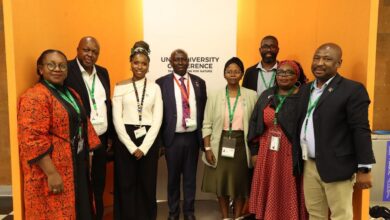
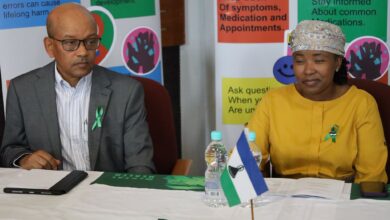
Lesotho has reaffirmed its commitment to strengthening sustainable and resilient agrifood systems as African countries intensify efforts to improve food security and nutrition. The commitment was highlighted at the inaugural African Ministerial Seed Summit, held in the Kingdom of Eswatini from October 5 to 7, 2026. The summit brought African governments, farmers, researchers, private companies and development partners together around the theme, “Resilient Seed Systems for a Food-Secure Africa.” Minister of Foreign Affairs and International Relations, Limpho Tau, led Lesotho’s delegation at the continental gathering. The summit placed seed systems at the centre of discussions about agricultural transformation, food sovereignty, climate resilience and Africa’s long-term food security.
The African Ministerial Seed Summit provided a continental platform for countries to consider how stronger seed systems can support agricultural development and improve access to nutritious food. Seeds form the starting point of crop production and therefore influence the ability of farmers to produce food successfully. Reliable access to quality, affordable and climate-resilient seeds can help farmers respond to changing agricultural conditions and production challenges. The summit also sought to mobilise political commitment, investment and partnerships for country-led transformation of Africa’s seed sector. These objectives align with wider continental efforts to strengthen agrifood systems in support of the aspirations of the African Union Agenda 2063.
Speaking at the summit, Minister Tau commended the African Union and the Government of Eswatini for convening the meeting. He argued that Africa could no longer treat seed security as separate from food sovereignty, climate adaptation, economic resilience and human dignity. His position reflects the importance of seeds within the wider agricultural system and the broader challenges facing food production across the continent. Farmers need dependable access to suitable planting material if they are to maintain and improve agricultural production. Strengthening seed systems can therefore form part of a broader strategy to address hunger, malnutrition and agricultural vulnerability.
Minister Tau stressed the need for increased investment in agricultural research, innovation, seed production and effective regulatory systems. Research can help improve understanding of crop varieties and farming conditions, while innovation can support the development and distribution of improved agricultural technologies. Investment in seed production can also help strengthen the availability of quality seeds for farmers. At the same time, effective regulation is important for maintaining confidence in seed systems and supporting appropriate standards. By emphasising these areas, Lesotho highlighted the need for a coordinated approach that connects research, production, regulation and access.
The Minister described resilient seed systems as fundamental to Africa’s collective efforts to eliminate hunger, malnutrition and agricultural vulnerability. Food security depends on several interconnected factors, including farmers’ ability to produce food consistently under changing environmental and economic conditions. Seeds are one of the earliest inputs in that process, making their availability and quality important considerations for agricultural resilience. When farmers can access appropriate seeds at affordable prices, they can have greater capacity to plan and sustain crop production. Strengthening seed systems can therefore contribute to wider efforts to build more reliable agrifood systems.
Lesotho’s participation at the summit was also guided by the leadership of His Majesty King Letsie III, who serves as the African Union Champion on Nutrition and FAO Special Ambassador for Nutrition. Nutrition remains closely connected to agricultural production because food systems influence both the availability and diversity of food. Efforts to improve nutrition therefore require attention to how food is produced as well as how it reaches communities. Lesotho’s engagement at the seed summit reflects the country’s stated commitment to addressing food security and nutrition through stronger agrifood systems. The focus on seeds adds an important agricultural dimension to these broader nutrition objectives.
Minister Tau called on member states, development partners and the private sector to move beyond declarations and focus on measurable and sustainable action. Political commitments can establish direction, but implementation determines whether farmers experience meaningful improvements. This means that commitments around seed systems need to translate into practical improvements in areas such as research, production, regulation, affordability and access. Collaboration among governments, development partners and private businesses can provide resources and expertise to support these efforts. The Minister’s call places implementation at the centre of Africa’s efforts to transform its seed and agricultural sectors.
The Minister also reaffirmed Lesotho’s commitment to regional and continental initiatives aimed at advancing food security and food sovereignty through transformed and innovative agrifood systems. Food sovereignty is closely linked to a country’s capacity to strengthen its food production systems and reduce vulnerabilities within the food supply. For Lesotho, participation in regional and continental initiatives provides an opportunity to work with other countries on common agricultural challenges. Cooperation can also support the exchange of knowledge, technology and experience among countries facing similar pressures. Stronger regional engagement can therefore complement national efforts to improve agricultural production and food security.
Minister Tau said Africa should welcome the Seed Summit because it addresses one of the fundamental foundations of food security, namely access to quality, affordable and climate-resilient seeds. This focus is particularly important as African farmers face increasing environmental and production pressures. Climate change, droughts, pests and other challenges can affect agricultural productivity and increase uncertainty for farmers. Seeds that are suitable for changing conditions can form part of efforts to help agricultural systems adapt to these pressures. However, seed resilience alone cannot solve every challenge facing agriculture, which makes broader investment in agrifood systems equally important.
The summit also created an opportunity to strengthen agricultural investment and cooperation across the continent. Minister Tau noted that bringing together governments, farmers, researchers, private companies and development partners could help promote investment in seed production and research. Such cooperation can support the development of stronger agricultural systems and improve coordination between different parts of the seed sector. Regional cooperation can also help address issues related to cross-border trade, which is relevant to the movement and availability of agricultural inputs. A more connected approach could support countries in developing seed systems that are better equipped to respond to changing agricultural needs.
Climate change was another important consideration in discussions about Africa’s food systems. Minister Tau noted that climate change, droughts, pests and other environmental challenges are increasing pressure on African agriculture. Farmers depend on environmental conditions that can vary significantly from one season to another, making agricultural production vulnerable to changes in rainfall and other factors. In this environment, resilient agricultural systems require tools and practices that can help farmers manage uncertainty. Seed systems are one component of that response because the choice and availability of seeds can influence farmers’ ability to adapt to different growing conditions.
His Excellency Moses Vilakati, Commissioner of Agriculture, Rural Development and Blue Economy, highlighted the importance of recognising both formal commercial seed systems and farmer-managed seed systems. These systems can play different roles in agricultural production and reflect the varied conditions in which African farmers operate. Recognising this diversity allows countries to consider approaches that are appropriate for their own agricultural contexts. A single approach may not address the needs of every farming community or agricultural system. The discussion therefore points to the importance of developing seed policies that take local conditions and different farming practices into account.
Commissioner Vilakati also stressed that the value of the Seed Summit would ultimately depend on implementation. He specifically pointed to the need for commitments to translate into better access to affordable and resilient seeds for farmers. This places farmers at the centre of the discussion and provides a practical measure of whether continental commitments produce meaningful results. Improvements in policy and cooperation will have greater significance if they lead to tangible benefits for agricultural producers. The effectiveness of the summit will therefore depend on how participating countries and partners turn its commitments into sustained action.
The emphasis on implementation is particularly important for Lesotho as the country seeks to strengthen its own food security and agricultural resilience. Agricultural production can be affected by environmental pressures and other challenges that require coordinated responses. Stronger seed systems can contribute to agricultural resilience, but they need support from research, investment, infrastructure, regulation and effective distribution. Regional cooperation can also help Lesotho access knowledge and opportunities that complement domestic agricultural initiatives. Participation in continental forums such as the African Ministerial Seed Summit allows the country to contribute to these discussions while considering approaches relevant to its own agricultural context.
The summit also reinforces the connection between food security and economic resilience. Agriculture supports livelihoods and contributes to food availability, making the performance of agricultural systems important to broader economic stability. When farmers face repeated production challenges, the effects can extend beyond individual farms to households and communities. Strengthening access to appropriate agricultural inputs can help address some of the vulnerabilities that affect production. Investment in seed research and production can also create opportunities for innovation and private-sector participation within the agricultural economy.
The focus on food sovereignty adds another dimension to Africa’s efforts to strengthen its agrifood systems. Food sovereignty involves strengthening the capacity of food systems and communities to determine and sustain their own food production priorities. For African countries, improving local and regional agricultural capacity can support greater resilience in the face of external and environmental pressures. Seed systems form an important part of that capacity because farmers depend on seeds as a basic input for crop production. Strengthening these systems can therefore contribute to broader efforts to build more resilient and strategically capable food systems.
The inaugural African Ministerial Seed Summit represents an important step in bringing political attention to the role of seeds in Africa’s agricultural future. The discussions connected seed security with food security, nutrition, climate adaptation, economic resilience and agricultural transformation. Lesotho used the platform to reaffirm its commitment to regional and continental initiatives aimed at improving food security and food sovereignty. The country also emphasised the need for investment, innovation, research, effective regulation and practical implementation. These priorities reflect the need to move from broad commitments towards actions that can improve conditions for farmers.
The long-term impact of the summit will depend on what happens after the meeting. African countries and their partners will need to turn commitments into practical measures that improve access to affordable and resilient seeds. This will require continued cooperation among governments, farmers, researchers, private companies and development partners. It will also require approaches that recognise both commercial seed systems and farmer-managed systems while responding to the different agricultural conditions across the continent. For Lesotho, continued engagement in these efforts can support its commitment to sustainable and resilient agrifood systems. The summit has therefore provided a platform for stronger continental cooperation, but its greatest value will be measured by whether it contributes to real improvements in food security, agricultural resilience and access to quality seeds for farmers.
Join 'Lesotho News' WhatsApp Channel
Get breaking Lesotho news — delivered directly to your WhatsApp.
CLICK HERE TO JOIN