Lesotho Ministry Donates Hygiene Kits to Juvenile Training Centre to Support Vulnerable Children

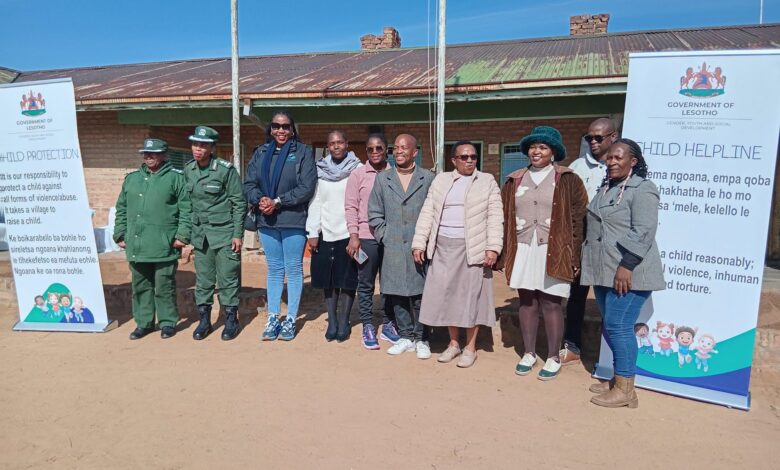
The Ministry of Gender, Youth and Social Development in Lesotho has reaffirmed its commitment to protecting and supporting vulnerable children through a meaningful donation to the Juvenile Training Centre. Acting through the Department of Child Protection Services, the Ministry handed over hygiene kits and other essential items to children living at the facility, fulfilling a pledge made during this year’s International Day of the Boy Child celebrations. The donation represents more than the delivery of basic necessities, as it also serves as a powerful reminder that every child deserves dignity, care and opportunities to build a better future. By working with community partners and encouraging public participation, the Ministry continues to strengthen efforts aimed at improving the lives of children facing difficult circumstances. The initiative highlights the importance of collective action in ensuring that vulnerable children receive the support they need to thrive.
The donations originated from the Department of Child Protection Services Charity Run, which took place on May 16, 2026. Instead of traditional entry fees, participants were encouraged to contribute hygiene kits as part of their registration for the event. This creative approach combined community participation with a practical response to the needs of children living in institutional care. The charity run also formed part of activities marking the International Day of the Boy Child, an occasion dedicated to promoting the rights, wellbeing and development of boys. Through the event, the Department successfully raised awareness about child protection while gathering essential supplies that would directly benefit children at the Juvenile Training Centre.
The initiative was designed to recognise the unique challenges faced by vulnerable boys while encouraging society to play an active role in supporting them. Hygiene products are essential for maintaining good health, personal dignity and self-confidence, particularly for children living in care facilities. By providing these basic necessities, the Ministry seeks to improve not only the physical wellbeing of the children but also their emotional and psychological health. The donations demonstrate that meaningful support often comes through practical actions that meet everyday needs. Such efforts also encourage communities to become more involved in addressing the welfare of vulnerable children.
Speaking during the handover ceremony held on Thursday, Department of Child Protection Services official Mrs. Mookho Motheo Lekhanya explained the significance of the gesture. She emphasized that the primary purpose of the donation was to remind the boys that they are valued, cared for and supported by their communities. According to Mrs. Lekhanya, simple acts of kindness can have a lasting impact on children who may have experienced neglect, hardship or other difficult circumstances. Feeling appreciated and supported can strengthen self-esteem and inspire young people to make positive choices for their futures. Her message reinforced the Ministry’s broader commitment to ensuring that every child feels included and protected.
Mrs. Lekhanya also highlighted the participation of Queen ‘Masenate Mohato Seeiso, who completed a 10-kilometre charity run in support of children living at the Juvenile Training Centre. Her involvement demonstrated strong national support for initiatives focused on child welfare and protection. Public participation by respected leaders helps raise awareness of the challenges facing vulnerable children while encouraging broader community involvement. It also sends a powerful message that improving children’s lives is a shared responsibility that extends beyond government institutions. The Queen’s participation added further significance to the charity initiative and inspired greater public engagement.
The Ministry hopes that the support provided through the donation will encourage positive personal development among the children living at the centre. Beyond meeting immediate needs, officials believe that acts of compassion can motivate young people to develop confidence, resilience and hope for the future. The Department continues to work closely with various partners to strengthen child protection services and provide comprehensive support for children facing difficult situations. Long-term assistance includes emotional support, rehabilitation programs and opportunities for personal growth alongside the provision of essential resources. These efforts reflect the Ministry’s commitment to creating environments where vulnerable children can rebuild their lives.
One of the Ministry’s key partners is Sepheo, an organisation that has been working with vulnerable children since its establishment in 2013. During the handover ceremony, Sepheo representative Ms. Mphaphathi Moshoeshoe explained that the organisation focuses particularly on supporting children living on the streets. She noted that children do not simply leave their homes without reason, but are often driven by difficult family situations, poverty, abuse or other challenges. Understanding the circumstances behind each child’s experience is essential before appropriate support can be provided. This child-centred approach allows the organisation to develop solutions that address the root causes of vulnerability rather than only the visible consequences.
Ms. Moshoeshoe explained that Sepheo places great importance on spending time with children to understand their individual stories and challenges. Through careful engagement and counselling, the organisation works toward family reunification whenever it is safe and appropriate to do so. She emphasized that many children still have living relatives, including grandparents, uncles and aunts, even if they are no longer living with their immediate families. Reconnecting children with supportive family members often provides more stable and lasting solutions than institutional care alone. This approach reflects the belief that preserving family connections, wherever possible, is an important part of child protection.
The partnership between Sepheo and the Ministry of Gender, Youth and Social Development continues to strengthen child protection efforts across Lesotho. Working together, they aim to ensure that vulnerable children receive the care, protection and opportunities necessary to achieve healthier and more stable futures. Collaboration between government departments and non-governmental organisations allows resources, expertise and community networks to be combined for greater impact. Such partnerships help extend support services to more children while improving the effectiveness of intervention programs. They also demonstrate the value of shared responsibility in protecting children’s rights.
The Department of Child Protection Services remains responsible for promoting and protecting the rights of children throughout Lesotho by working closely with relevant stakeholders. The recent handover of hygiene kits and essential donations reflects the Ministry’s ongoing commitment to improving the welfare, dignity and wellbeing of children in need. By fulfilling its pledge made during the International Day of the Boy Child celebrations, the Ministry has shown that meaningful promises can be translated into practical action that changes lives. Continued collaboration with partners, community members and organisations such as Sepheo will remain essential in strengthening child protection services across the country. As these efforts continue, more vulnerable children will have access to the care, encouragement and opportunities they need to build brighter and more secure futures.
Join 'Lesotho News' WhatsApp Channel
Get breaking Lesotho news — delivered directly to your WhatsApp.
CLICK HERE TO JOIN