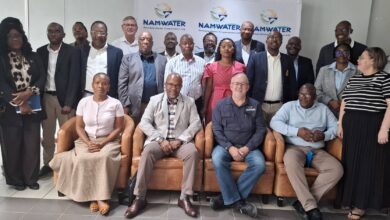
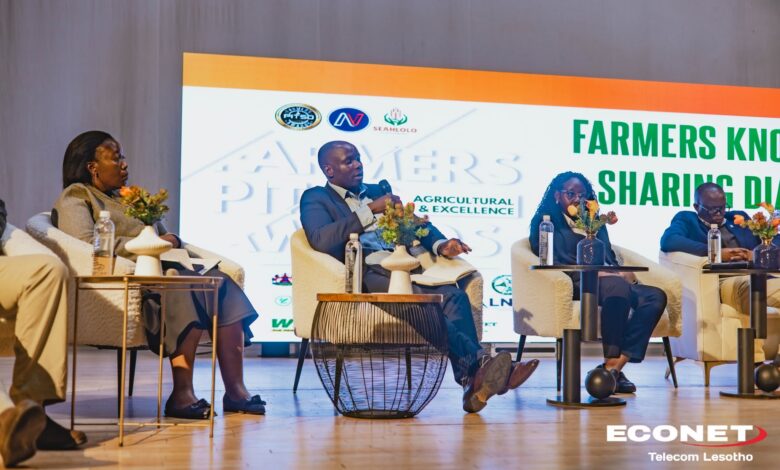
Technology, innovation and collaboration are becoming increasingly important as Lesotho looks for new ways to strengthen its agricultural sector and improve productivity. Farmers, government officials, academics and development partners recently came together to discuss the challenges affecting agriculture while exploring opportunities for the sector to grow. The discussions also considered how technology and artificial intelligence can support farmers and create new possibilities across the agricultural value chain. The engagement reflects growing recognition that traditional farming methods alone may not be enough to address the pressures facing modern agriculture. By bringing different stakeholders together, Lesotho is creating space for practical ideas that could help farmers improve production and respond more effectively to changing conditions.
The discussions provided an opportunity for farmers to share their experiences and highlight some of the challenges they face in their daily operations. Government officials were also able to contribute perspectives on agricultural policy, support programmes and the broader development priorities affecting the sector. Academic institutions can add research and technical expertise, while development partners can contribute resources, knowledge and experience from agricultural initiatives in other settings. Bringing these groups together can help create a more coordinated approach to solving problems that affect farmers. It also ensures that proposed solutions are informed by both technical knowledge and the realities experienced by producers in the field.
Technology was a central part of the discussions, particularly because digital tools are creating new opportunities for farmers to access information and improve decision-making. Digital platforms can help farmers receive information about weather conditions, markets, crop management and other issues that influence production. Mobile technology can also improve communication between farmers, agricultural experts, suppliers and buyers. These tools can be particularly useful when farmers need timely information to make decisions during different stages of the production cycle. Expanding access to appropriate digital solutions could therefore help strengthen connections across Lesotho’s agricultural sector and make useful information more accessible to producers.
Artificial intelligence is also creating new possibilities for agriculture, although its value will depend on how effectively it is adapted to local farming conditions. AI-powered systems can process large amounts of information and help identify patterns that may support better agricultural decisions. Potential applications include analysing crop conditions, supporting early identification of certain production problems, improving resource management and providing more targeted agricultural information. For farmers, the most useful technology will be technology that addresses practical challenges and is simple enough to use within their existing operations. Continued engagement between technology providers, farmers, researchers and government will therefore be important in identifying AI solutions that can provide genuine value to Lesotho’s agricultural communities.
The involvement of farmers in these discussions is particularly important because technology needs to respond to real agricultural needs. Farmers understand the challenges associated with production, access to markets, weather conditions, inputs, financing and farm management. Their experiences can help developers and policymakers identify which digital tools are likely to be useful and which solutions may create additional barriers. Farmers can also provide feedback on whether technology is affordable, accessible and suitable for different scales of production. Including producers in the development and implementation of agricultural technology can therefore help ensure that innovation remains practical rather than becoming disconnected from conditions on the ground.
The discussions also highlight the importance of knowledge-sharing in supporting agricultural development. Technology can provide information, but farmers still need the knowledge and skills to understand and apply that information effectively. Training can help producers use digital platforms, interpret information and incorporate new tools into their farming practices. Academic institutions and agricultural specialists can contribute by translating research and technical developments into practical guidance for farmers. Stronger knowledge-sharing networks could help ensure that innovations reach more producers and that lessons from successful projects are shared across farming communities.
Collaboration between the public and private sectors could also play an important role in expanding agricultural technology in Lesotho. Government has a role in creating policies and programmes that support innovation while helping address barriers to access. Telecommunications companies and technology providers can contribute digital infrastructure, platforms and technical solutions that connect farmers to useful services. Development partners can support pilot projects, training and capacity building, while universities and research institutions can test and improve new approaches. Coordinating these contributions could help create a stronger agricultural innovation ecosystem rather than relying on isolated technology projects.
For Lesotho’s farmers, improved technology could also contribute to stronger productivity and better market participation. Digital tools can help producers access information about prices and potential buyers, allowing them to make more informed decisions about when and where to sell their produce. Technology can also support record keeping, farm planning and communication with suppliers and service providers. These improvements may help farmers manage their businesses more effectively while strengthening links between production and markets. When combined with appropriate training and infrastructure, digital solutions could become an important part of efforts to make agriculture more productive and commercially sustainable.
The engagement also reflects the broader need to view agricultural development as a shared responsibility. Farmers cannot address all the challenges affecting the sector on their own, just as government, researchers, businesses and development partners cannot create sustainable solutions without understanding farmers’ needs. Regular dialogue can help identify common priorities and encourage stakeholders to work together on practical responses. This approach can also create opportunities for new partnerships that bring together agricultural knowledge, technology and investment. Continued collaboration will be important if Lesotho wants to turn discussions about innovation and AI into solutions that farmers can use in their everyday operations.
Lesotho’s agricultural future will increasingly depend on how effectively the country combines farming knowledge with innovation and technology. The engagement between farmers, government officials, academia and development partners demonstrates the value of bringing different perspectives together to address the sector’s challenges. Artificial intelligence and digital tools can create new opportunities, but their success will depend on accessibility, appropriate training and solutions designed around the needs of farmers. Strong partnerships can help move promising ideas from discussion to practical applications that improve productivity and strengthen agricultural value chains. By continuing to invest in knowledge-sharing, collaboration and responsible technological innovation, Lesotho can give its farmers stronger tools to adapt, produce and participate in a changing agricultural economy.
Join 'Lesotho News' WhatsApp Channel
Get breaking Lesotho news — delivered directly to your WhatsApp.
CLICK HERE TO JOIN