King Letsie III to Lead AU–IFRC High-Level Meeting on Advancing Zero Hunger in Africa

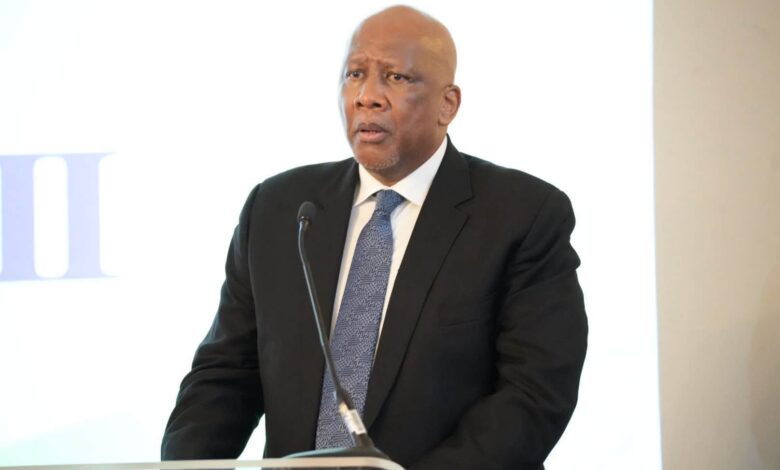
His Majesty King Letsie III of the Kingdom of Lesotho, in his capacity as the African Union Nutrition Champion, is set to convene a high-level continental meeting aimed at accelerating efforts to achieve Zero Hunger in Africa. The AU–IFRC High-Level Convening on Advancing Durable Solutions Towards Zero Hunger in Africa will take place on 3 November 2026 in Addis Ababa, Ethiopia. The gathering will bring together key continental stakeholders to strengthen political commitment, mobilise strategic partnerships and promote sustainable investments in food security and nutrition. It will also provide an opportunity to examine practical approaches to addressing the persistent challenges of hunger, malnutrition and food insecurity across African countries. Through His Majesty’s leadership and advocacy, Lesotho continues to contribute to continental discussions on nutrition as a foundation for human development, economic transformation and a sustainable future.
Ahead of the important continental gathering, H.E. Ambassador Ntsiuoa Sekete, Lesotho’s Permanent Representative to the African Union, held discussions with H.E. Moses Vilakati, the African Union Commissioner for Agriculture, Rural Development and Blue Economy. Representatives of the International Federation of Red Cross and Red Crescent Societies (IFRC) and other members of the Planning Committee also participated in the engagement. The discussions focused on preparations for the high-level convening and the priorities that will guide its deliberations. Particular attention was given to strengthening political commitment, developing strategic partnerships and mobilising sustainable resources to address food and nutrition insecurity. The engagement demonstrated the importance of coordination between African institutions, governments and humanitarian organisations in developing solutions that respond to the continent’s food security challenges.
The planned convening comes at a time when food security and nutrition remain important development priorities for Africa. Hunger and malnutrition affect people’s health, productivity and ability to participate fully in economic and social activities. Children, women and vulnerable communities often face particular risks when households struggle to access sufficient and nutritious food. Addressing these challenges requires more than emergency food assistance because communities also need reliable food production systems, sustainable livelihoods and access to essential services. Climate-related pressures, economic difficulties and weaknesses in agricultural production can further affect food availability and household food security. The AU–IFRC meeting therefore seeks to encourage a broader approach that addresses both the immediate consequences of hunger and the underlying conditions that make communities vulnerable.
Under the leadership and advocacy of King Letsie III, nutrition continues to receive attention as a strategic investment in Africa’s human capital. Good nutrition is essential for children’s growth, learning and development, while also supporting the health and productivity of adults. When children experience malnutrition, their physical development and ability to learn can be affected, creating consequences that may extend into adulthood. Investing in nutrition therefore contributes to healthier populations and stronger economies. It also supports national development by helping people develop the capabilities needed to participate in education, employment and productive activities. His Majesty’s role as African Union Nutrition Champion highlights the importance of placing nutrition at the centre of continental development planning.
The high-level convening aims to translate existing African commitments into practical and measurable results. Its discussions will build on important continental frameworks, including the Pan-African Initiative Towards Zero Hunger, the Comprehensive Africa Agriculture Development Programme (CAADP) Kampala Declaration 2026–2035 and the African Union’s Agenda 2063. These initiatives provide a framework for advancing food security, agricultural development and broader economic transformation across the continent. The CAADP Kampala Declaration provides an important continental reference point for strengthening agricultural development and improving food systems. Agenda 2063 also recognises the importance of sustainable development, prosperity and improved living conditions for African citizens. By connecting the Zero Hunger agenda with these frameworks, the convening seeks to strengthen coordination and ensure that political commitments lead to meaningful action.
A central priority of His Majesty’s advocacy is the need to move beyond short-term humanitarian responses towards durable and community-centred solutions. Emergency food assistance remains important when communities experience severe food shortages, natural disasters or other humanitarian crises. However, emergency interventions alone cannot resolve the deeper challenges that contribute to recurring hunger and malnutrition. Communities need sustainable agricultural systems, stronger local economies and reliable access to food throughout the year. Durable solutions must also empower households to improve their livelihoods and become better prepared to manage economic and environmental challenges. This approach places communities at the centre of development efforts and recognises their role in identifying needs, shaping interventions and maintaining long-term progress.
Building resilient agrifood systems is another important element of the Zero Hunger agenda. Agrifood systems include the activities and processes involved in producing, processing, transporting, distributing and consuming food. Strengthening these systems can help improve food availability, reduce vulnerabilities and create economic opportunities for farmers and other participants in the agricultural sector. African countries need productive agricultural systems that can respond to changing conditions while providing adequate food for growing populations. Investment in agricultural infrastructure, improved production methods, storage facilities and market access can help reduce losses and strengthen food supply chains. Stronger agrifood systems can also support rural employment and create opportunities for small-scale producers to participate more effectively in local and regional markets.
Climate adaptation also features prominently in the effort to achieve lasting food security across Africa. Changing weather patterns, droughts, floods and other climate-related pressures can affect agricultural production and threaten household livelihoods. Smallholder farmers and rural communities may face particular difficulties because their income and food supplies often depend on natural resources and seasonal production. Building climate-resilient agriculture requires practical measures that help farmers manage environmental risks and maintain production under changing conditions. These may include improved agricultural practices, better water management and access to appropriate farming information and technology. By strengthening climate adaptation, African countries can reduce some of the risks that undermine food production and make communities more resilient to future challenges.
Sustainable livelihoods are equally important in reducing hunger and improving nutrition. Families need reliable ways to earn income so they can afford food, healthcare and other essential household needs. Supporting agricultural enterprises, small businesses and local economic activities can help communities improve their financial stability. Access to productive resources, skills development and functioning markets can also strengthen household resilience. Development programmes must therefore consider the economic conditions that influence people’s ability to obtain nutritious food. The Zero Hunger agenda recognises that long-term food security depends not only on producing enough food but also on ensuring that people have the means to access it.
The protection of children, women and vulnerable communities remains central to the objectives of the high-level gathering. Children require adequate nutrition during their early years because this period plays an important role in physical growth and cognitive development. Pregnant and breastfeeding women also have specific nutritional needs that influence their health and the well-being of their children. Communities affected by poverty, displacement or limited access to essential services may face additional barriers to obtaining nutritious food. Addressing these inequalities requires targeted interventions that respond to the different needs of vulnerable groups. By prioritising those most at risk, African leaders and development partners can strengthen the effectiveness and fairness of food security programmes.
The International Federation of Red Cross and Red Crescent Societies brings an important humanitarian and community-based perspective to discussions on food insecurity. Its participation in the convening reflects the importance of cooperation between continental institutions and organisations working directly with vulnerable populations. Humanitarian organisations often have experience supporting communities affected by food shortages, disasters and other emergencies. Their engagement can help connect immediate humanitarian assistance with longer-term development priorities. Strong partnerships between governments, humanitarian agencies and development institutions can improve coordination and reduce gaps in support. The AU–IFRC collaboration therefore provides an opportunity to strengthen collective action towards more sustainable food and nutrition outcomes.
The role of African governments will remain essential in translating the objectives of the convening into meaningful results. Political leadership is necessary to establish clear priorities, strengthen national policies and ensure that sufficient resources reach food security and nutrition programmes. Governments also need effective institutions that can coordinate agricultural development, health services and social protection initiatives. Cooperation between different ministries and public agencies can help address the interconnected causes of hunger and malnutrition. Local authorities and community organisations must also have opportunities to contribute to planning and implementation. Strong national ownership will help ensure that continental commitments are reflected in policies and programmes that respond to the realities of communities.
The involvement of strategic development partners will also be important in mobilising the investments required to advance the Zero Hunger agenda. Sustainable food systems need financing for agricultural production, infrastructure, research, technology and market development. International partnerships can support countries in addressing resource gaps and strengthening technical capacity. However, investments must respond to local priorities and deliver benefits that communities can experience over time. Development partners should also support African-led initiatives that strengthen domestic institutions and build local capacity. The convening is expected to encourage cooperation that moves beyond declarations towards practical projects, stronger financing arrangements and measurable improvements in food security.
For the Kingdom of Lesotho, King Letsie III’s leadership in the African Union’s nutrition agenda reflects the country’s commitment to advancing food security and improved nutrition across the continent. By taking an active role in continental discussions, Lesotho is contributing to efforts that recognise nutrition as a foundation for human development and sustainable prosperity. The Kingdom’s participation also highlights the importance of African countries working together to address challenges that cross national boundaries. Hunger, food insecurity and climate-related agricultural pressures require coordinated responses supported by political leadership and long-term investment. His Majesty’s advocacy reinforces the need to treat food and nutrition security as central development priorities rather than issues that receive attention only during humanitarian emergencies.
The statement that Zero Hunger is not simply an aspiration but an investment in Africa’s children, its people and its future captures the broader significance of the initiative. Ending hunger can improve health outcomes, strengthen educational opportunities and increase economic productivity. It can also help reduce inequalities by ensuring that vulnerable households have better access to adequate and nutritious food. Achieving this goal requires consistent action from governments, development institutions, humanitarian organisations, the private sector and local communities. Each stakeholder has a role in building food systems that are productive, inclusive and resilient. The success of these efforts will depend on whether commitments lead to practical improvements in people’s daily lives.
The AU–IFRC High-Level Convening on Advancing Durable Solutions Towards Zero Hunger in Africa, scheduled for 3 November 2026 in Addis Ababa, represents an important opportunity to strengthen continental cooperation on food security and nutrition. Under the leadership of King Letsie III, the gathering seeks to build stronger political commitment, mobilise sustainable investments and accelerate African-led solutions to hunger. Its focus on resilient agrifood systems, climate adaptation, sustainable livelihoods and community-centred development reflects the need for lasting responses to the causes of food insecurity. Building on the Pan-African Initiative Towards Zero Hunger, the CAADP Kampala Declaration 2026–2035 and Agenda 2063, the convening aims to connect continental ambitions with measurable action. The Kingdom of Lesotho looks forward to a successful gathering that strengthens African solidarity and meaningful partnerships while advancing progress towards a hunger-free continent. Ultimately, achieving Zero Hunger will require sustained leadership and collective responsibility to ensure that every African child, family and community has access to sufficient and nutritious food.
Join 'Lesotho News' WhatsApp Channel
Get breaking Lesotho news — delivered directly to your WhatsApp.
CLICK HERE TO JOIN