Queen Masenate Launches World Vision Lesotho’s FY2026–2030 National Strategy to Transform Lives and Empower Communities

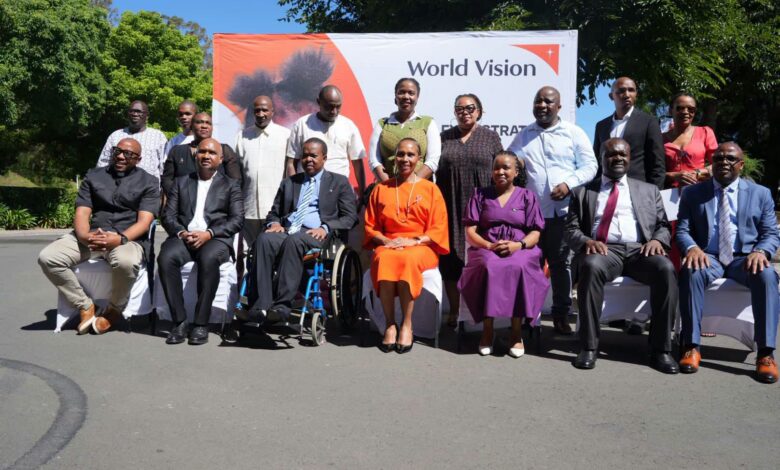
Her Majesty Queen ‘Masenate Mohato Seeiso, Champion for Child Protection, has officially launched World Vision International Lesotho’s FY2026–2030 National Strategy, marking an important step towards improving the lives of vulnerable children and families across the country. The strategy, themed “Transforming Lives, Empowering Communities with Agile, Low-Cost, High-Impact Programmes,” sets out an ambitious vision for addressing some of the most pressing challenges affecting children in Lesotho. It places child protection, health and nutrition at the centre of efforts to build stronger and more resilient communities. The initiative also highlights the importance of collaboration between government institutions, development partners, communities and other stakeholders in achieving sustainable development. Through this strategy, World Vision International Lesotho aims to reach 650,000 vulnerable children and their families by 2030, demonstrating its commitment to creating lasting improvements in child well-being.
During the official launch, Her Majesty Queen ‘Masenate Mohato Seeiso commended World Vision for its longstanding contribution to national development and its continued support for vulnerable children and families in Lesotho. She recognised the organisation’s role in working alongside communities and development partners to address challenges that affect children’s safety, health and overall development. Her Majesty acknowledged that meaningful progress has been achieved through partnerships and shared responsibility. However, she cautioned that many children still experience difficult socio-economic conditions that limit their opportunities to grow and thrive. These challenges include violence, malnutrition, stunting and social exclusion, with children living with disabilities facing additional barriers to accessing essential services and opportunities.
Her Majesty emphasised that protecting children requires more than isolated interventions because their well-being depends on a combination of safety, healthcare, nutrition, education and social support. She identified two critical priorities within the new national strategy, namely ending violence against children and improving child health and nutrition. These priorities reflect the need to address both immediate threats to children’s lives and the long-term conditions that influence their physical, emotional and social development. Violence against children remains a serious concern because it can affect their health, education, confidence and ability to participate fully in society. Similarly, malnutrition and stunting can undermine children’s growth and development, making early prevention, proper nutrition and access to healthcare essential. By prioritising these areas, World Vision aims to support a more comprehensive approach to child protection and development in Lesotho.
The strategy’s ambition to improve the well-being of 650,000 vulnerable children and their families by 2030 represents a significant commitment that will require coordinated action and sustained investment. Her Majesty called on all stakeholders to take ownership of the strategy and translate its objectives into measurable improvements in communities. She stressed that achieving the intended results would depend on continued commitment rather than relying on the launch of a policy document alone. Government institutions, development organisations, community leaders and families all have important roles to play in ensuring that programmes reach those who need them most. Effective monitoring, accountability and cooperation will also be necessary to assess progress and identify areas requiring additional attention. The emphasis on measurable results reinforces the importance of ensuring that development initiatives produce real improvements in children’s lives.
Her Majesty also called on Government institutions to strengthen child-focused policies, public services and investments to ensure that children’s rights and needs receive appropriate attention. She emphasised that government leadership is essential in creating an environment where children can access protection, healthcare, nutrition and other basic services. Strong policies must be supported by effective implementation, adequate resources and accessible services, particularly in communities facing poverty and limited infrastructure. She further urged Parliament to play an active role in advancing children’s rights through appropriate legislation, effective oversight and responsible resource allocation. Parliamentary support can help strengthen accountability and ensure that national priorities translate into practical action. By encouraging stronger institutional responsibility, Her Majesty highlighted the importance of placing children at the centre of national development planning.
Development partners and funding agencies also received a strong appeal to maintain their commitment to improving the lives of vulnerable children in Lesotho. Her Majesty encouraged these organisations to sustain their investments and increase funding where possible, particularly for evidence-based programmes capable of delivering lasting results. Such programmes are important because they focus on interventions supported by reliable information and practical experience rather than relying on assumptions. Consistent funding can help communities maintain essential services, strengthen local capacity and expand successful interventions to reach more children and families. However, investment must also respond to the actual needs of communities and support long-term improvements rather than temporary activities. Her Majesty’s message reinforced the need for development partners to work closely with national institutions and ensure that their contributions support shared development priorities.
An important aspect of Her Majesty’s address was the need to involve children meaningfully in decisions that affect their lives. She stressed that children should not simply be viewed as recipients of assistance but should also have opportunities to express their views and contribute to decisions concerning their protection and well-being. Her statement that nothing should be done for children without children highlighted the importance of listening to young people and respecting their perspectives. Meaningful child participation allows programmes and policies to respond more effectively to the experiences and concerns of those they are intended to serve. It also helps children develop confidence, understand their rights and become active participants in their communities. This approach strengthens child-centred development by recognising that children have valuable insights into the challenges they face and the solutions that could improve their circumstances.
Meanwhile, Minister of Health, Hon. Mamokete Ntšekhe, reaffirmed the Ministry’s commitment to its longstanding partnership with World Vision International Lesotho. She acknowledged the organisation’s contribution to strengthening health systems, improving nutrition outcomes, protecting children and building community resilience. The Minister recognised the importance of working with development partners to address health and social challenges that cannot be resolved through government action alone. Partnerships with organisations such as World Vision can support the delivery of essential services, strengthen community-based initiatives and improve access to information and resources. She also highlighted the importance of maintaining cooperation between government institutions and development organisations to avoid fragmented interventions. Her remarks demonstrated the Ministry’s continued commitment to collaborative approaches that support national health and development priorities.
Minister Ntšekhe further emphasised the importance of coordinating development partners and aligning their programmes with national priorities. She explained that development initiatives must respond to clearly identified needs and contribute to measurable and sustainable results. Without proper coordination, organisations may implement overlapping programmes in some areas while other communities remain underserved. Aligning interventions with government priorities can improve the use of available resources and strengthen the overall impact of development investments. It can also help ensure that programmes complement existing public services and contribute to national objectives. The Minister’s message highlighted the need for a coordinated development approach in which all partners understand their responsibilities and work towards common outcomes.
A particularly important point raised by the Minister was that the impact of development programmes must be experienced in villages and households rather than remaining within boardrooms. This statement highlighted the difference between making commitments and delivering practical improvements that communities can experience. Development initiatives should result in better access to healthcare, improved nutrition, stronger child protection services and increased support for vulnerable families. Their success should be assessed by examining whether people can access services more easily and whether those services respond to their everyday needs. The Minister stressed that communities must see tangible benefits from the resources and partnerships dedicated to their development. This focus on practical outcomes is essential for building public trust and ensuring that development programmes remain relevant to the people they are intended to serve.
The Minister also underscored the importance of decentralised health service delivery in improving access to essential services across Lesotho. She highlighted the role of District Health Management Teams, village health workers and community outreach programmes in bringing healthcare closer to households. These structures are important because people in remote and underserved communities may face difficulties travelling to health facilities. Community-based health services can help identify health concerns earlier, provide essential information and connect families with appropriate care. Village health workers also play an important role in promoting healthy practices and supporting community awareness around nutrition, child health and disease prevention. Strengthening these local delivery systems can help ensure that national health programmes reach more people, including children and families who face barriers to accessing conventional healthcare services.
The focus on decentralised services also complements the strategy’s wider commitment to improving child health and nutrition. Children need access to timely healthcare, adequate nutrition and supportive environments to develop and reach their full potential. Addressing malnutrition and stunting requires coordinated efforts involving health professionals, families, communities and development partners. These efforts must also consider the circumstances that influence household nutrition, including poverty, access to food, health education and the availability of essential services. Community outreach programmes can help identify vulnerable households and connect them with appropriate support. By strengthening cooperation between health institutions and community structures, Lesotho can improve the delivery of services that protect children’s health and support their development.
The FY2026–2030 National Strategy also highlights the importance of agile, low-cost and high-impact programmes in addressing development challenges. This approach recognises the need to use available resources responsibly while ensuring that interventions deliver meaningful benefits. Cost-effective programmes can help extend services to more communities, particularly where resources are limited and needs are significant. However, affordability must go hand in hand with quality, accountability and evidence-based implementation. Programmes must be designed around the realities of local communities and adjusted when monitoring shows that different approaches are needed. By combining practical solutions with strong partnerships, World Vision International Lesotho aims to strengthen the effectiveness and reach of its development work.
The strategy’s success will ultimately depend on how effectively its priorities translate into action at national, district and community levels. Government leadership, parliamentary support, development financing and community participation must work together to create an environment where children can live safely and access the services they need. World Vision will also need to maintain strong partnerships and ensure that its programmes complement national development priorities. Regular assessment of progress will be important in identifying gaps, improving implementation and demonstrating whether the intended outcomes are being achieved. Particular attention must be given to children who experience the greatest barriers, including those living with disabilities and families facing poverty or social exclusion. Reaching 650,000 vulnerable children and their families by 2030 will require consistent effort, clear responsibilities and a shared commitment to measurable change.
The official launch of World Vision International Lesotho’s FY2026–2030 National Strategy by Her Majesty Queen ‘Masenate Mohato Seeiso marks an important commitment to strengthening child protection, health and nutrition across the country. Her Majesty’s call for collective ownership, increased investment and meaningful child participation provides clear direction for stakeholders working to improve children’s lives. The Minister of Health’s reaffirmation of the partnership with World Vision further highlights the importance of coordinated development efforts and accessible community-based services. Together, their messages emphasise that protecting children and improving their well-being require practical action, strong institutions and sustained cooperation. As Lesotho works towards the 2030 target of reaching 650,000 vulnerable children and their families, the true measure of success will be the improvements experienced by children in their homes, schools and communities. A future in which every child is protected from violence, receives adequate nutrition and has access to essential services will depend on turning the strategy’s commitments into lasting results.
Join 'Lesotho News' WhatsApp Channel
Get breaking Lesotho news — delivered directly to your WhatsApp.
CLICK HERE TO JOIN