Nomsa George Champions Girls’ Rights in Lesotho Through “Her Voice, Her Justice” Campaign

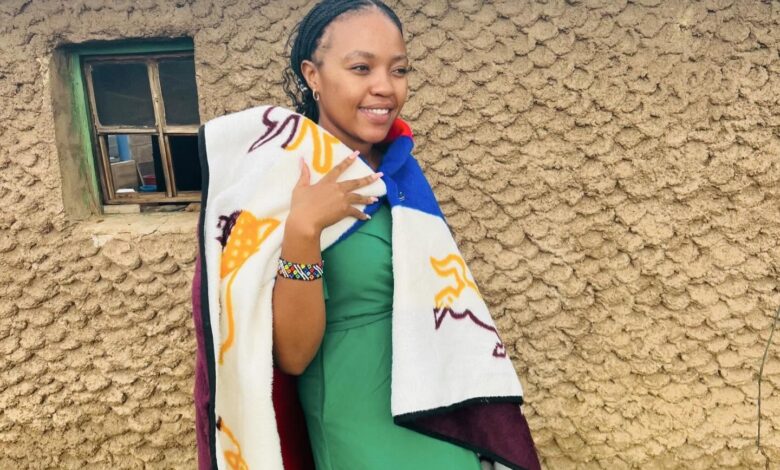
The Lesotho Girl Guides Association (LGGA) has joined the global community in celebrating the International Day of the Girl Child, highlighting the urgent need to protect girls from child marriage, sexual violence and exploitation. At the centre of this call for action is Nomsa George, the World Association of Girl Guides and Girl Scouts (WAGGGS) Global Advocacy Champion for 2026, who is using her campaign, “Her Voice, Her Justice”, to raise awareness of the challenges facing girls in Lesotho and across Africa. Her message highlights the importance of protecting girls’ rights, respecting their dignity and creating opportunities for them to build secure futures. She stresses that child marriage and sexual violence are not merely violations of the law, but also violations of girls’ dreams, choices and potential. Through her advocacy, George seeks to ensure that girls are heard, their experiences are taken seriously and their rights receive the attention and protection they deserve.
The International Day of the Girl Child provides an opportunity to recognise the rights of girls and draw attention to the barriers that prevent them from reaching their full potential. Issues such as gender-based violence, child marriage, exploitation and unequal access to opportunities can affect girls’ education, health, safety and long-term prospects. The day also encourages communities, institutions and decision-makers to consider how they can create safer and more supportive environments for girls. In Lesotho, the campaign led by George brings these concerns into focus by calling for stronger protection and greater recognition of girls’ voices. Her message reinforces the principle that every girl deserves to grow up in safety, make decisions about her future and participate fully in society.
Through “Her Voice, Her Justice”, George aims to amplify the voices of girls in Lesotho and across Africa, particularly those affected by sexual violence and exploitation. The campaign seeks to draw attention to the experiences of girls whose rights may be overlooked or whose concerns may not receive an adequate response. Giving girls a platform to speak about the issues affecting them is an important part of advocacy because their experiences can help identify gaps in protection and support. It also challenges attitudes that discourage girls from reporting abuse or seeking assistance. By placing girls’ voices at the centre of the discussion, the initiative promotes a more inclusive approach to protecting children and advancing justice.
Child marriage remains a serious child protection concern because it can expose girls to risks that affect their education, health, independence and future opportunities. When a girl marries before adulthood, she may face pressure to leave school, assume adult responsibilities prematurely or become dependent on others for her wellbeing. Early marriage can also limit her ability to make informed choices about her life and future. Addressing the problem requires communities to recognise the importance of protecting children and ensuring that girls have the opportunity to develop before taking on adult responsibilities. George’s campaign places child marriage within a wider discussion about dignity, rights and the need to safeguard girls from practices that can restrict their potential.
Sexual violence and exploitation also demand sustained attention because their effects can extend far beyond the immediate harm experienced by a victim. Girls who experience abuse may face physical and emotional consequences, difficulties continuing their education and challenges in seeking help. Fear, stigma and concerns about how others may react can prevent survivors from reporting what happened to them. Effective protection therefore requires more than laws that prohibit abuse. Girls need safe ways to report violence, access to appropriate support and confidence that their concerns will be handled with care and seriousness. The message behind “Her Voice, Her Justice” highlights the need to protect survivors, challenge harmful attitudes and strengthen the response to sexual violence against children.
The campaign also raises an important question about the meaning of justice for girls who experience abuse or exploitation. Justice involves holding those responsible accountable under the law, but it also requires treating victims with dignity and ensuring they can access support. Girls should not face blame, humiliation or discrimination because of violence committed against them. Families, schools, communities and relevant institutions all have a role in creating environments where children feel safe enough to speak about their experiences. A supportive response can help girls seek assistance and reduce the risk that abuse will remain hidden. George’s advocacy calls attention to the need for a child protection approach that recognises girls as individuals with rights, voices and futures worth safeguarding.
Education is another important part of protecting girls and expanding their opportunities. When girls can remain in school and access accurate information about their rights, they are better placed to recognise harmful situations and seek help when necessary. Education can also improve their access to future employment and give them greater opportunities to participate in community and national development. However, girls cannot benefit fully from education if they face violence, exploitation or pressure to enter marriage before adulthood. Schools must therefore form part of wider efforts to protect children and support their wellbeing. Initiatives such as “Her Voice, Her Justice” draw attention to the links between safety, education and the ability of girls to make choices about their lives.
Families and communities also play an important role in preventing child marriage and sexual violence. Harmful beliefs and social pressures can make it difficult for girls to speak openly about abuse or challenge decisions that affect their wellbeing. Community awareness can help people recognise these risks and understand their responsibility to protect children. Parents, caregivers, teachers and community leaders can support girls by listening to their concerns, respecting their rights and responding appropriately when they disclose harm. Meaningful progress also requires cooperation between community organisations and institutions responsible for child protection. By encouraging open discussion and challenging practices that put girls at risk, advocacy efforts can help create conditions in which children are safer and better supported.
The Lesotho Girl Guides Association’s participation in the International Day of the Girl Child celebration highlights the role that youth-focused and community organisations can play in promoting girls’ rights. Organisations that work with children and young people can help raise awareness, encourage leadership and provide opportunities for girls to develop confidence in expressing their views. Advocacy also allows young people to contribute to conversations about policies and practices that affect their lives. When girls participate in these discussions, they can help identify concerns that adults and decision-makers may overlook. The campaign led by George reinforces the importance of treating girls as active participants in efforts to improve their safety and opportunities rather than simply as recipients of protection.
As WAGGGS Global Advocacy Champion for 2026, George’s campaign brings attention to the need for girls’ rights to be recognised beyond a single commemorative day. Public awareness can help start important conversations, but lasting change requires continued commitment from families, communities and institutions. Laws and protection measures need to be supported by practical action, accessible services and a willingness to address abuse when it occurs. Girls also need opportunities to participate in decisions that affect their education, safety and future prospects. The campaign’s focus on voice and justice underlines the importance of listening to girls and responding to their concerns with meaningful action.
The message of “Her Voice, Her Justice” is ultimately a call to protect the dignity, rights and futures of girls in Lesotho and across Africa. Through her advocacy, Nomsa George is drawing attention to child marriage, sexual violence and exploitation while encouraging greater recognition of girls’ experiences and concerns. The International Day of the Girl Child provides an important moment to reflect on these challenges and renew efforts to create safer environments for every child. However, protecting girls requires consistent action throughout the year, including effective prevention, support for survivors and accountability for those responsible for abuse. Every girl deserves the chance to learn, grow, speak freely and pursue her ambitions without fear of violence or exploitation. Ensuring that her voice is heard and her rights are protected is essential to building a future in which girls can live with dignity, security and equal opportunity.
Join 'Lesotho News' WhatsApp Channel
Get breaking Lesotho news — delivered directly to your WhatsApp.
CLICK HERE TO JOIN