Lesotho Expands Digital Connectivity With Three New Telecommunications Base Stations in Quthing

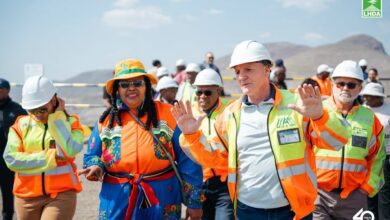
The Government of Lesotho has taken another step towards expanding digital access in underserved communities with the commissioning of three new telecommunications base stations in Quthing district. The initiative, implemented through the Ministry of Information, Communications, Science, Technology and Innovation (MICSTI) and the Universal Service Fund, is bringing voice and broadband connectivity to communities that previously faced limited access to telecommunications services. The new infrastructure is expected to improve access to communication, education, digital government services, emergency assistance and economic opportunities. According to the ministry, the three sites collectively serve 32 villages and approximately 3,545 people. The expansion forms part of the government’s broader goal of ensuring that communities across Lesotho can participate meaningfully in the country’s digital transformation.
The commissioning of the base stations is particularly significant for communities that have historically experienced gaps in telecommunications coverage. Reliable connectivity has become increasingly important for accessing information, communicating with family members, conducting business and participating in education. Broadband access can also provide communities with opportunities to use online services that were previously difficult or impossible to access. For government, improved connectivity can help extend digital public services to people living outside major urban centres. The new infrastructure therefore has the potential to influence several areas of community life beyond basic mobile communication.
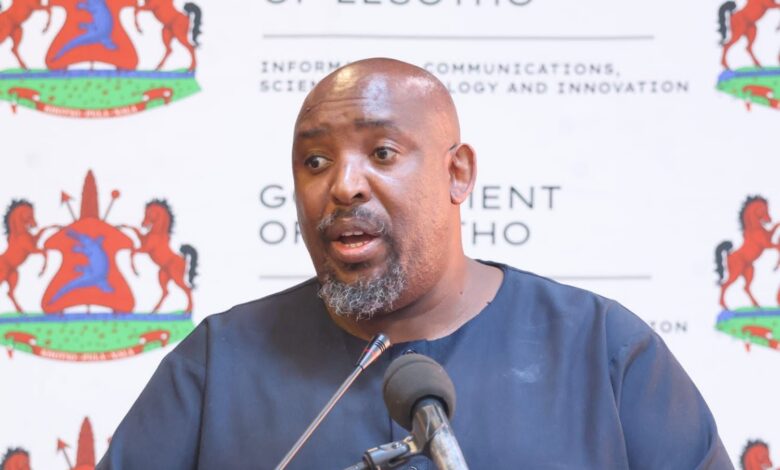
MICSTI Principal Secretary Kanono Ramashamole said the three sites are already bringing voice and broadband connectivity to thousands of residents in Quthing. The Tsatsane, Ha-Liphapang base station, which was commissioned on 3 September 2026, serves 16 villages with a combined population of approximately 1,322 people. Another base station in Mphojoa Valley was commissioned in February and serves 11 villages with approximately 1,492 residents. The Mathole Valley base station, commissioned in April, serves five villages with an estimated population of 731 people. Together, these sites provide a substantial expansion of telecommunications coverage in communities that were previously underserved.
The benefits of improved connectivity can be particularly important for education. Students and teachers can access online learning resources, educational information and digital communication platforms when reliable broadband services are available. Connectivity can also support learners who need to conduct research or access educational materials beyond what is available in their local schools. Teachers can use digital resources to supplement classroom instruction and communicate more efficiently where appropriate. By extending connectivity to rural communities, the government can help reduce some of the digital barriers that prevent learners from benefiting fully from online educational opportunities.
Access to digital government services is another important benefit of the new infrastructure. As government services increasingly move online, residents need reliable connectivity to access information, submit applications and interact with public institutions. Communities with limited telecommunications coverage can otherwise face difficulties accessing services that are readily available to people in better-connected areas. Improved broadband access can help narrow this gap and make digital public services more accessible. The expansion therefore supports a broader effort to ensure that digital transformation benefits communities across the country rather than being concentrated in urban areas.
Reliable communication networks can also make a difference during emergencies. Residents need the ability to contact emergency services, relatives, community leaders and other relevant authorities when urgent situations arise. Poor network coverage can make communication difficult during accidents, medical emergencies and other critical events. The new base stations can provide communities with additional communication capacity and improve their ability to stay connected when assistance is needed. This makes telecommunications infrastructure an important part of community resilience as well as economic and social development.
The economic opportunities created by better connectivity could also be significant for residents of Quthing. Farmers, small businesses and entrepreneurs can use telecommunications services to communicate with customers, suppliers and potential markets. Internet access can provide opportunities to research prices, promote products, access financial information and explore new business opportunities. Young people can also use digital platforms to develop skills, seek employment opportunities and participate in online economic activities. By connecting previously underserved communities, the government is creating infrastructure that can support greater participation in the digital economy.
The commissioning of the sites also reflects the government’s focus on meaningful connectivity rather than simply expanding infrastructure. Meaningful connectivity involves ensuring that people can access and use digital services in ways that provide practical benefits. A telecommunications tower becomes more valuable when communities can use the resulting connectivity for education, business, government services, communication and access to information. The expansion in Quthing therefore represents more than an increase in network coverage. It is part of a wider effort to give communities the tools required to participate in Lesotho’s digital transformation.
Although the three sites are already operational and serving members of the public, Ramashamole noted that their official launches will take place in due course. The distinction between operational service and a formal launch means that residents are already able to benefit from the infrastructure while the government prepares for the official ceremonies. The immediate availability of the services is important because it allows communities to begin using the improved connectivity without waiting for formal events. It also provides an opportunity for residents to understand the practical benefits of the new infrastructure. Further official engagement can then help highlight the purpose and wider objectives of the investment.
At the same time, the ministry has appealed to communities to help protect the telecommunications infrastructure. Ramashamole warned that theft and vandalism can disrupt essential services and isolate entire communities from communication networks. Damage to telecommunications installations can also result in public resources being redirected towards repairs instead of being used to expand connectivity to other underserved areas. Community cooperation is therefore important to ensuring that the new infrastructure remains operational for years to come. Residents have been encouraged to remain vigilant and report suspicious activity around the sites to community leaders and relevant authorities.
Protecting telecommunications infrastructure requires cooperation between government agencies, service providers and the communities that benefit from the services. Residents are often best placed to notice unusual activity around installations because they live and work close to the sites. Prompt reporting can help authorities respond before damage or theft occurs. Community awareness can also reinforce the understanding that telecommunications infrastructure represents a public investment with direct benefits for local residents. Safeguarding these facilities can therefore help protect the progress made in expanding digital access.
The latest infrastructure expansion also follows the ministry’s launch of the Community Digital Inclusion Model. The initiative aims to empower communities by providing digital skills training and access to technology. Connectivity and digital skills need to develop together because people require both access and the ability to use digital tools effectively. Providing telecommunications coverage without digital literacy can limit the benefits that communities receive from new infrastructure. The combination of connectivity, technology access and skills development can help residents make greater use of online services and participate more actively in the digital economy.
The Community Digital Inclusion Model can therefore complement the expansion of telecommunications infrastructure in Quthing and other underserved areas. Residents who gain access to broadband services can benefit more when they also understand how to use digital platforms safely and effectively. Digital skills can support activities ranging from online learning and job searches to business development and access to government services. This creates an opportunity for connectivity projects to produce longer-term social and economic benefits. Continued investment in both infrastructure and digital skills will be important as Lesotho works towards broader digital inclusion.
The commissioning of the three telecommunications base stations in Quthing marks an important step in Lesotho’s effort to expand meaningful digital connectivity. With services reaching 32 villages and approximately 3,545 people, the new infrastructure can improve access to communication, education, government services, emergency assistance and economic opportunities. The government’s emphasis on protecting the sites also highlights the importance of community involvement in sustaining these investments. Combined with initiatives such as the Community Digital Inclusion Model, the expansion can help ensure that connectivity is matched with the skills and technology needed to use it effectively. As Lesotho continues its digital transformation, bringing reliable telecommunications services to underserved communities will remain essential to creating wider access to opportunities and ensuring that no community is left behind.
Join 'Lesotho News' WhatsApp Channel
Get breaking Lesotho news — delivered directly to your WhatsApp.
CLICK HERE TO JOIN