Lesotho Strengthens HIV Response by Putting Key and Vulnerable Populations at the Centre

Lesotho’s efforts to strengthen its HIV response are placing greater emphasis on the voices and experiences of Key and Vulnerable Populations (KVPs). Their meaningful participation is essential to ensuring that HIV programmes respond to the realities faced by communities most affected by the epidemic. This approach recognises that effective health interventions cannot be developed solely through institutions and policymakers. The people directly affected by HIV must have an opportunity to influence the decisions that shape services, funding priorities and programme delivery. By creating space for KVP representatives to participate, Lesotho is taking an important step towards a more inclusive and people-centred HIV response.
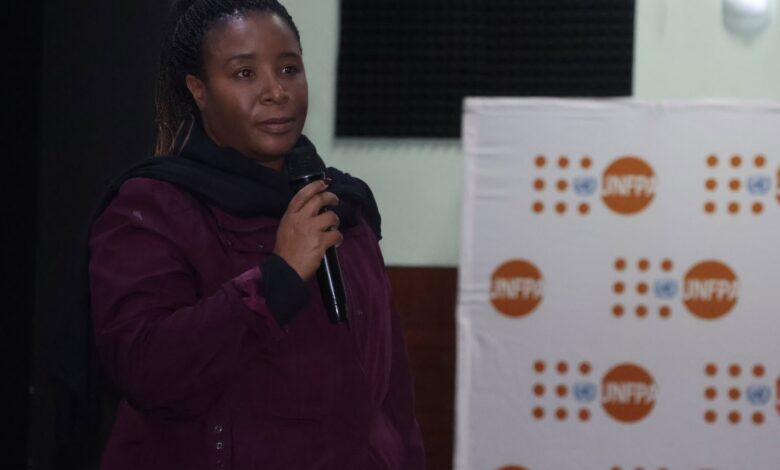
The importance of community participation was highlighted during a consultative dialogue organised around the Global Fund Grant Cycle 8 (GC8). UNFPA in Lesotho joined stakeholders and representatives of Key and Vulnerable Populations to provide a platform for communities to share their experiences and concerns. The dialogue allowed participants to identify gaps within the current HIV response and discuss priorities that require greater attention. These consultations are important because communities often experience challenges that may not be fully visible from a policy or institutional perspective. Their direct input can help decision-makers better understand barriers to HIV prevention, testing, treatment, care and support.
The Global Fund Grant Cycle 8 process provides an important opportunity to ensure that funding decisions reflect the needs of people affected by HIV. Funding plays a major role in supporting health programmes, but the effectiveness of those investments depends on how well they respond to conditions on the ground. KVP representatives can help identify areas where existing programmes are failing to reach people effectively or where additional support is needed. Their contributions can also help ensure that resources are directed towards interventions that are accessible, appropriate and responsive to community needs. Including these perspectives from the planning stage can strengthen accountability and improve the impact of HIV investments.
The consultative dialogue also reinforces the principle that communities should not simply be viewed as beneficiaries of health programmes. They are important partners in designing, implementing and evaluating those programmes. People living with or affected by HIV bring valuable knowledge based on their lived experiences, including an understanding of stigma, discrimination, barriers to services and other challenges that can influence health outcomes. Their participation can help identify practical solutions that are more likely to work within communities. This makes community engagement an important part of building HIV programmes that are both effective and sustainable.
UNFPA’s message, “Nothing About Us Without Us,” captures the central principle behind this approach. The statement calls for meaningful participation rather than symbolic inclusion, ensuring that people affected by decisions have a genuine opportunity to shape those decisions. This is particularly important for KVPs, who may face social, economic and structural barriers that make it difficult to access HIV services. Listening to their experiences can help stakeholders understand how policies and programmes affect people in their daily lives. It can also create stronger trust between communities, health institutions, development partners and other stakeholders involved in the national HIV response.
A people-centred HIV response must also protect dignity and human rights. People are more likely to access and remain engaged with health services when they feel respected, safe and valued. Stigma and discrimination can discourage individuals from seeking HIV testing, prevention services, treatment or ongoing care. Addressing these challenges requires more than medical interventions because social attitudes, service delivery practices and community conditions can all influence access to healthcare. Giving KVPs a meaningful voice allows these concerns to become part of the policy discussion and creates opportunities to develop more responsive solutions.
The dialogue in Lesotho demonstrates why community consultation should remain part of the broader HIV planning process. Communities can help stakeholders understand which services are working, which gaps remain and what changes could make programmes more effective. Their participation can also improve the relevance of priorities established through funding and programme planning processes. When decision-makers consider evidence alongside lived experience, they can develop responses that address both the scale of the HIV challenge and the realities of individuals and communities. This can ultimately contribute to better outcomes and more sustainable progress.
Sustainable progress in the HIV response requires continued investment, but financial resources alone cannot guarantee success. Programmes must also be designed around the rights, dignity, needs and experiences of the people they seek to serve. Meaningful participation gives communities an opportunity to influence priorities and hold stakeholders accountable for delivering effective services. It can also strengthen ownership of HIV programmes by ensuring that communities are recognised as partners rather than passive recipients. This approach can help Lesotho build a response that remains relevant as the needs of its population evolve.
The involvement of Key and Vulnerable Populations in the Global Fund Grant Cycle 8 consultation therefore represents an important step towards a stronger HIV response in Lesotho. By listening to communities, identifying gaps and allowing affected populations to help define priorities, stakeholders can improve the relevance and effectiveness of future interventions. The principle of “Nothing About Us Without Us” provides a clear reminder that people must remain at the centre of decisions that directly affect their lives. A successful HIV response requires collaboration between government, development partners, health organisations and communities. When every stakeholder has a meaningful voice, Lesotho can move closer to an HIV response that is inclusive, rights-based, people-centred and committed to leaving no one behind.
Join 'Lesotho News' WhatsApp Channel
Get breaking Lesotho news — delivered directly to your WhatsApp.
CLICK HERE TO JOIN