‘Malibe Cultural Festival Promotes Tourism Opportunities for Communities in Kolojane

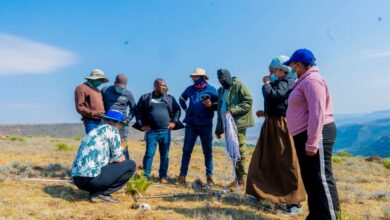
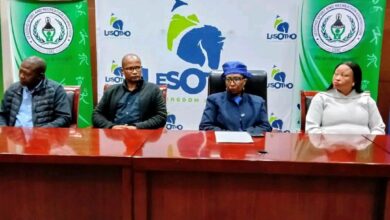
The pioneers of the ‘Malibe Cultural Festival at Kolojane in Berea are preparing a series of activities designed to help local communities understand and benefit from the tourism opportunities surrounding their area. The initiative comes as the summer season approaches and preparations for the Basotho New Year celebrations gather momentum across Lesotho. Organisers believe that greater awareness of local tourism assets can encourage communities to develop businesses and cultural experiences that generate income. The focus is particularly important in rural areas where valuable heritage sites exist alongside communities that continue to face economic hardship. By connecting cultural heritage with practical livelihood opportunities, the ‘Malibe Cultural Festival initiative aims to turn tourism into a stronger contributor to local development.
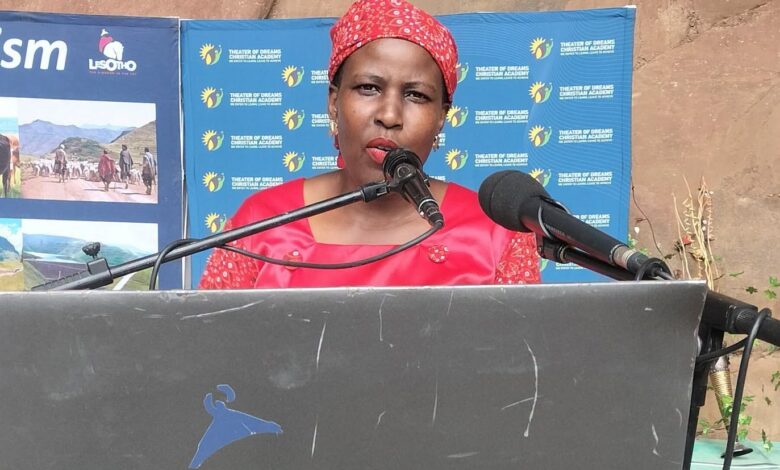
According to the founder of the ‘Malibe Cultural Festival, Mrs. Mats’epo Sello, Lesotho has many tourist attractions that remain under-utilised despite their potential to support economic development. She said communities living close to these resources often continue to experience poverty because they have not been adequately connected to the economic opportunities created by tourism. The planned activities therefore seek to change how local people view tourism and encourage them to become active participants in the industry. Rather than relying only on visitors coming to see a heritage site, communities can develop additional services and experiences that encourage tourists to stay longer and spend money locally. This approach could create opportunities for small businesses, households, performers, craftspeople, food producers and other community members.
‘Malibe Cave is at the centre of the initiative because of its historical, cultural and natural significance. The cave is regarded as one of the iconic heritage sites in Kolojane and has attracted attention through the annual ‘Malibe Cultural Festival, which is normally held in March. However, Mrs. Sello noted that communities living around the site remain marginalised despite the cultural value and visitor interest associated with the area. She believes the cave has the potential to support a wider local tourism economy if the surrounding community is equipped with the knowledge and confidence to develop suitable tourism products. The planned summer activities are intended to help residents understand how they can turn the presence of visitors into sustainable economic opportunities.
Among the opportunities identified are homestays, horse riding, traditional dancing, traditional food and handicraft sales. These activities could give visitors a more complete experience while creating several income streams for local residents. Homestays, for example, could allow tourists to spend more time in Kolojane while giving participating households an opportunity to earn additional income. Horse riding and cultural performances could provide recreational experiences connected to the area’s landscape and Basotho traditions. Traditional food and locally produced handicrafts could also give visitors an opportunity to engage with the culture of the community while supporting local entrepreneurs.
Mrs. Sello stressed that visitors to rural destinations such as Kolojane should experience more than simply entering or viewing ‘Malibe Cave. She said communities should develop and package recreational and cultural activities that complement the heritage site and give tourists more reasons to remain in the area. This could help transform Kolojane from a destination centred on a single attraction into a broader community tourism experience. Local people could play a direct role as guides, performers, hosts, artisans, food providers and activity operators. Such participation would ensure that a greater share of tourism-related income remains within the community.
The initiative also seeks to change the mindset of local people about the economic value of tourism. In many communities, natural and cultural resources can exist for generations without being developed into sustainable enterprises that benefit residents. Awareness programmes can help people recognise that tourism opportunities do not necessarily require large investments or major infrastructure projects to get started. Small-scale activities that are properly organised, marketed and maintained can form part of a wider tourism offering. The success of such an approach would depend on community participation, quality service, responsible management and efforts to protect the cultural and environmental value of the site.
‘Malibe Cave also has a significant place in local history, according to the account shared by Mrs. Sello. She said the cave was discovered by Chief Seeisa, one of the sons of King Moshoeshoe I, who was sent from Thaba-Bosiu with his people to secure and guard land in the eastern part of the country. According to the local history, the group found the cave suitable for establishing a stronghold while staying in the area. Mrs. Sello said the cave received its name from twins, Libe and Libenyane, who were born to Chief Seeisa’s wife during their stay in the region. This history adds another layer of cultural value to the site and provides material that can be incorporated into local tourism interpretation and storytelling.
The history of Kolojane itself is also connected to the landscape and the people who settled there. Mrs. Sello said the area was home to wild pigs known as ‘likolojane, which contributed to the area’s name, Kolojane, Ha-Seeisa, as it is known today. Such local stories can form an important part of cultural tourism because visitors often want to understand the history behind the names, traditions and places they encounter. Properly presented historical narratives can also create opportunities for trained local guides who can share information with tourists. Preserving and communicating these stories can therefore support both cultural heritage and local economic activity.
The cave’s ancient paintings further contribute to its significance as a heritage attraction. Mrs. Sello said the paintings are believed to indicate that Khoisan people once lived in the area, giving the site archaeological and cultural importance beyond its connection to local Basotho history. The cave also contains a waterfall where traditional healers and spiritual practitioners sometimes conduct rituals. These elements make the site particularly sensitive because tourism development must respect cultural practices, spiritual beliefs and the physical integrity of the heritage environment. Any expansion of tourism should therefore balance visitor access and economic opportunities with conservation and responsible cultural management.
The proposed activities also align with Lesotho’s broader development priorities, particularly the role assigned to tourism under the National Strategic Development Plan II, as extended. The plan identifies tourism as one of the key sectors through which Lesotho can use its heritage resources to support economic growth. It also highlights the importance of enhancing the country’s landscapes to create opportunities for recreation, sustainable tourism and investment in targeted tourism activities and interventions. The developments being considered around ‘Malibe Cave therefore fit into a wider national vision of using tourism to diversify economic opportunities. Linking national development priorities with community-led initiatives could help ensure that tourism growth produces benefits beyond major established destinations.
For Kolojane, the success of this initiative will depend on whether local communities can move from awareness to practical participation. Residents need opportunities to develop tourism products that meet visitor expectations while protecting the cultural and natural resources that attract visitors in the first place. Training in hospitality, guiding, entrepreneurship, marketing, financial management and heritage conservation could strengthen the ability of community members to operate sustainable tourism businesses. Partnerships with tourism authorities, cultural organisations and private-sector operators could also help improve promotion, infrastructure and access to markets. If these elements come together, ‘Malibe Cave could become more than an important heritage site and serve as a foundation for broader community-based tourism.
The ‘Malibe Cultural Festival initiative highlights the economic potential that exists when communities take an active role in developing their own cultural and tourism resources. Kolojane has a combination of history, heritage, traditional practices, natural scenery and community knowledge that can provide the foundation for a distinctive tourism experience. The planned summer activities could help residents understand how these assets can be responsibly developed into opportunities for income generation and local enterprise. With appropriate planning, conservation and community participation, tourism around ‘Malibe Cave could contribute to improved livelihoods while preserving the area’s cultural identity for future generations. The message from the festival pioneers is clear: when communities recognise the value of their heritage and participate directly in its development, tourism can become a practical tool for economic growth rather than an opportunity that benefits visitors and outsiders alone.
Join 'Lesotho News' WhatsApp Channel
Get breaking Lesotho news — delivered directly to your WhatsApp.
CLICK HERE TO JOIN