Lesotho Opens GEF-8 Project to Strengthen Climate Resilience in Vulnerable Rural Communities


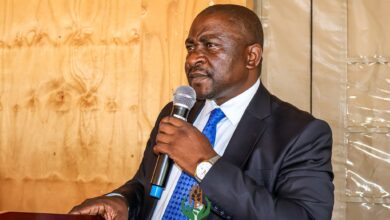
Lesotho has taken an important step towards strengthening climate resilience and protecting vulnerable rural communities following the official opening of the Global Environment Facility Eighth Replenishment (GEF-8) Project Inception Workshop on November 4, 2026. The workshop focuses on the project titled “Nature-based Solutions for Increased Climate Resilience in Vulnerable Rural Communities of Lesotho.” The initiative aims to address the growing environmental challenges facing the country through sustainable approaches that protect natural resources while improving the livelihoods of rural communities. The opening was led by the Minister of Environment and Forestry, Honourable Thabo Mofosi, who highlighted the urgent need for practical and innovative responses to climate change. The project represents an important opportunity for Lesotho to strengthen environmental protection, restore degraded landscapes and help communities adapt to increasingly difficult climatic conditions.
During his opening remarks, Minister Mofosi drew attention to the severe and prolonged drought affecting the southwestern region of Lesotho. He noted that the drought continues to place significant pressure on the environment and the livelihoods of communities that depend on natural resources for their daily needs. The situation has become increasingly concerning as prolonged dry conditions combine with ongoing land degradation. These challenges threaten agricultural activities, water availability and the natural ecosystems that support rural populations. The Minister’s remarks highlighted the importance of addressing the relationship between climate change, environmental degradation and rural poverty through coordinated and sustainable interventions.
Drought remains a serious concern for vulnerable communities because its effects extend beyond reduced rainfall and dry agricultural fields. Extended periods of water scarcity can affect crop production, livestock health and household food security. They can also place additional pressure on already vulnerable ecosystems, particularly where vegetation cover and soil quality have deteriorated. Land degradation makes communities even more exposed to climate-related shocks because damaged soils and ecosystems have a reduced capacity to retain water and support productive activities. Addressing these interconnected challenges requires more than short-term responses, making long-term environmental restoration and sustainable land management essential priorities for Lesotho.
Minister Mofosi called for innovative and sustainable approaches to tackling climate change and environmental challenges. He emphasised that the country needs to move beyond conventional interventions and embrace forward-thinking solutions that deliver lasting environmental and social benefits. Nature-based solutions offer an important approach because they use the protection, restoration and sustainable management of ecosystems to address environmental challenges while supporting human well-being. Such approaches can contribute to improved soil health, better water management, ecosystem restoration and stronger resilience to climate-related pressures. By placing nature at the centre of climate adaptation efforts, Lesotho can work towards solutions that benefit both the environment and the communities that depend on it.
The GEF-8 project is designed to respond to these priorities by strengthening the ability of vulnerable rural communities to withstand climate-related challenges. Its objectives include enhancing climate resilience, restoring degraded ecosystems, promoting sustainable land management and improving rural livelihoods. These priorities are closely connected because healthy ecosystems provide essential resources and services that support agricultural production, water security and community well-being. Restoring degraded land can help improve the condition of natural resources while reducing the vulnerability of rural areas to environmental pressures. The project therefore seeks to establish a stronger connection between environmental conservation and sustainable rural development.
One of the central elements of the initiative is the promotion of nature-based solutions as a practical response to climate change. These solutions recognise that healthy ecosystems can play an important role in reducing environmental risks and helping communities adapt to changing climatic conditions. Depending on local needs and implementation priorities, nature-based approaches can include restoring vegetation, protecting watersheds, improving soil conservation practices and rehabilitating degraded landscapes. Such interventions can help strengthen the natural systems that regulate water, protect soil and support biodiversity. Their long-term success will depend on selecting appropriate approaches for local conditions and ensuring that communities participate meaningfully in planning and implementation.
Sustainable land management will also play an important role in achieving the project’s objectives. Land degradation affects the productivity of rural landscapes and reduces their ability to support agriculture and other livelihood activities. When soil resources deteriorate, communities become more vulnerable to drought, erosion and declining agricultural productivity. Sustainable land management practices can help address these problems by improving soil conservation, protecting vegetation and encouraging the responsible use of natural resources. Through the project’s activities, Lesotho aims to strengthen environmental management while supporting rural communities in maintaining more resilient and productive landscapes.
The Minister further announced that the official launch of the project is scheduled for December 2026. This announcement provides an important timeline for moving from the inception and planning stage towards the formal introduction of the initiative. Minister Mofosi called on all stakeholders to work together and accept responsibility for ensuring that the project delivers tangible benefits to vulnerable communities. He stressed the importance of cooperation, shared commitment and active participation in achieving the project’s objectives. His message reinforced the need for stakeholders to move beyond discussions and translate agreed priorities into practical actions that improve environmental conditions and rural livelihoods.
The project is being implemented by the Ministry of Environment and Forestry through the Department of Soil and Water Conservation, in partnership with the International Union for Conservation of Nature (IUCN). Financial support is provided by the Global Environment Facility (GEF), an international funding mechanism that supports environmental initiatives addressing global challenges. The partnership brings together government leadership, environmental expertise and international financial support to advance climate resilience and ecosystem restoration in Lesotho. The involvement of IUCN is expected to strengthen cooperation and support the implementation of nature-based approaches that respond to the country’s environmental priorities. The project is expected to run for 60 months, equivalent to five years, providing a substantial period for planning, implementation and progress towards its intended outcomes.
Minister Mofosi also expressed hope that the initiative would strengthen cooperation between the Ministry of Environment and Forestry and IUCN. He highlighted the potential for the partnership to create opportunities for further collaboration aimed at protecting Lesotho’s natural environment and improving the livelihoods of rural communities. Strong partnerships are particularly important for environmental projects because climate change and land degradation require coordinated responses across different sectors and institutions. Government departments, development partners, local authorities and community representatives all have important roles to play in ensuring that interventions respond to actual needs. Effective cooperation can also help strengthen accountability, improve the use of available resources and support the long-term sustainability of project activities.
The GEF-8 Project Inception Workshop marks an important stage in preparing the initiative for implementation. During the workshop, stakeholders discuss their respective responsibilities, implementation plans and priorities for ensuring successful project delivery. These discussions are essential for establishing a common understanding of the project’s objectives and the roles of the institutions involved. They also provide an opportunity to identify key priorities, strengthen coordination and consider the practical requirements for implementing activities in vulnerable rural communities. A clear implementation framework will be important for ensuring that the project remains focused on its objectives throughout its five-year period.
Community participation will also be essential to the project’s success. Rural communities are directly affected by drought, land degradation and other environmental challenges, making their knowledge and involvement important in identifying suitable solutions. Their participation can help ensure that planned interventions reflect local conditions, existing livelihood activities and the priorities of people who depend on the land. Engaging communities throughout the project can also encourage local ownership and strengthen the likelihood that environmental restoration activities will continue beyond the project’s implementation period. Sustainable results will require communities to be recognised as active partners in protecting natural resources rather than simply recipients of development support.
The project’s focus on vulnerable rural communities is particularly significant because these populations often depend heavily on agriculture, livestock production and natural resources. When drought and environmental degradation affect these activities, households may face reduced incomes, food insecurity and greater difficulty meeting their basic needs. Strengthening climate resilience can help communities prepare for and respond to these pressures while protecting the natural resources that sustain their livelihoods. By combining ecosystem restoration with sustainable land management, the initiative aims to address both environmental vulnerability and the economic challenges associated with climate change. This integrated approach could contribute to stronger rural development while supporting Lesotho’s broader environmental protection priorities.
The five-year implementation period will provide an opportunity to assess progress and strengthen the project’s contribution to environmental sustainability. Achieving meaningful results will require clear responsibilities, effective coordination and consistent monitoring of activities. Stakeholders will need to pay attention to the condition of restored ecosystems, improvements in land management and the extent to which communities benefit from project interventions. It will also be important to ensure that activities respond to changing environmental conditions and lessons emerging during implementation. A strong focus on measurable outcomes and community needs will help ensure that the project’s objectives translate into practical improvements.
The opening of the GEF-8 Project Inception Workshop demonstrates Lesotho’s continued commitment to addressing climate change, restoring degraded ecosystems and supporting vulnerable rural communities. With the Ministry of Environment and Forestry leading implementation through the Department of Soil and Water Conservation, alongside IUCN and with funding from the Global Environment Facility, the initiative brings together important partners to address pressing environmental concerns. Its focus on nature-based solutions, climate resilience and sustainable land management reflects the need for long-term approaches that protect natural resources while supporting rural livelihoods. The planned official launch in December 2026 will mark another important stage in advancing the initiative. Ultimately, the project’s success will depend on effective partnerships, meaningful community participation and the collective commitment of all stakeholders to turn its objectives into lasting environmental and social benefits for the people of Lesotho.
Join 'Lesotho News' WhatsApp Channel
Get breaking Lesotho news — delivered directly to your WhatsApp.
CLICK HERE TO JOIN