Lesotho Holds National Stakeholder Consultation to Strengthen Gender-Based Violence Accountability and Response


The Ministry of Gender, Youth and Social Development has intensified efforts to strengthen the prevention of gender-based violence (GBV) and promote gender equality through a national stakeholder consultation workshop held in Maseru. The two-day National Gender-Based Violence and Gender Accountability Mechanism Stakeholder Consultation Workshop took place from 3 to 4 November 2026 at Avani Maseru. The workshop was organised through the Ministry’s Department of Gender, with support from the United Nations Population Fund (UNFPA). It brought together stakeholders to discuss ways of improving institutional coordination, strengthening accountability and ensuring more effective responses to gender-based violence. The consultation forms part of broader efforts to ensure that commitments to gender equality translate into practical actions that protect individuals and communities.
The workshop aimed to strengthen stakeholder engagement and establish a more coordinated approach to addressing gender-based violence in Lesotho. Participants focused on the importance of ensuring that institutions understand their responsibilities and work together to prevent violence, support survivors and improve service delivery. Gender-based violence remains a complex social challenge that requires cooperation across government ministries, public institutions and other organisations. No single ministry or institution can address all its causes and consequences independently. The consultation therefore provided an opportunity for stakeholders to examine their respective roles and identify ways to improve collective action.
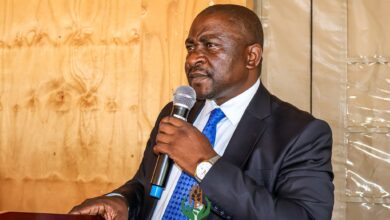
In her opening remarks, the Principal Secretary in the Ministry of Gender, Youth and Social Development, Mrs. Mahlapane Makakole Bodiba, called for a coordinated and accountable approach to preventing and responding to gender-based violence. She emphasised that addressing GBV requires collective commitment and action from all stakeholders rather than relying on the efforts of one ministry or institution. Her remarks highlighted the importance of shared responsibility in building systems that can respond effectively to violence and protect those affected. She also stressed that cooperation must extend beyond formal discussions and result in practical measures that institutions can implement within their respective mandates. This approach is intended to strengthen the overall national response and ensure that accountability remains central to efforts to eliminate gender-based violence.
Mrs. Bodiba further highlighted the need to move beyond policy commitments and focus on practical, measurable actions. She explained that the proposed Gender-Based Violence Accountability Mechanism would help strengthen institutional coordination, clarify responsibilities, monitor progress and identify gaps in service delivery. Such a mechanism can provide a structured way for institutions to assess their contributions and determine whether agreed commitments are producing meaningful results. It can also help identify areas where additional resources, improved procedures or stronger cooperation may be necessary. By promoting clearer responsibilities and regular monitoring, the proposed mechanism seeks to strengthen accountability across the institutions involved in addressing GBV.
The Principal Secretary also urged stakeholders to make realistic commitments that fall within their respective mandates. She emphasised that institutions should focus on actions they can implement and monitor rather than making commitments that cannot be translated into measurable results. This is important because effective accountability depends on clear responsibilities, achievable targets and consistent follow-up. Stakeholders must understand what is expected of them and how their contributions fit into the wider national response. Strong institutional accountability can help reduce gaps between policy intentions and the services available to people experiencing gender-based violence.
Another important issue raised by Mrs. Bodiba was the need to strengthen survivor-centred services. A survivor-centred approach places the rights, dignity, safety and individual needs of survivors at the centre of prevention and response efforts. It recognises that people who experience violence require support that respects their choices and protects their privacy. Effective services should also avoid exposing survivors to further harm, discrimination or unnecessary difficulties when seeking assistance. Strengthening this approach requires institutions to understand their responsibilities and ensure that their procedures protect survivors throughout the process of accessing support.
The consultation also addressed the role of the Ministry of Labour and Employment in preventing violence and harassment in the workplace. Mrs. ‘Maletsie Letsie Lebina, representing the Ministry, highlighted its mandate to address violence and harassment in the world of work. She explained that Lesotho’s ratification of the relevant International Labour Organization (ILO) Convention places workplace violence and harassment within the country’s labour protection framework. This responsibility includes addressing sexual harassment and gender-based violence in employment settings. Her presentation highlighted the importance of ensuring that workplaces are safe, respectful and free from conduct that threatens the dignity and rights of workers.
Mrs. Lebina emphasised that workplace protection must extend beyond permanent employees. She noted that job seekers, interns, volunteers and other workers must also receive protection against violence and harassment. This broader understanding is important because inappropriate conduct can occur at different stages of the working relationship, including recruitment, training and daily workplace activities. People seeking employment or gaining professional experience may face particular challenges when reporting misconduct because of their position or dependence on workplace opportunities. Ensuring that protection covers different categories of workers can help create safer working environments and strengthen respect for human rights.
She further stressed the importance of requiring employers to establish workplace policies and reporting mechanisms for addressing gender-based violence and harassment. Clear policies help employees understand which forms of conduct are unacceptable and what steps they can take when incidents occur. Reporting mechanisms also provide formal channels through which complaints can be raised and addressed. Employers have an important responsibility to ensure that workers know how to report concerns and that complaints receive appropriate attention. The Ministry of Labour and Employment monitors compliance through labour inspections, which provide an important means of assessing whether employers meet their workplace obligations.
Workplace violence and harassment can have serious consequences for both individuals and organisations. Employees who experience harassment may face stress, fear, humiliation and difficulties carrying out their responsibilities. Such conduct can also damage workplace relationships, reduce morale and create an environment in which employees feel unsafe. In some cases, workers may avoid reporting incidents because they fear retaliation, discrimination or the loss of employment opportunities. Establishing effective workplace policies, confidential reporting channels and appropriate accountability procedures can help address these risks and encourage safer professional environments.
The workshop also featured a presentation by Mr. Rannyaliseng Maanela, Senior Gender Officer from the Ministry of Gender, Youth and Social Development. His presentation focused on Protection from Sexual Exploitation, Abuse and Harassment, commonly addressed through the term PSEA. He explained that sexual exploitation and abuse can occur in any workplace, regardless of an individual’s job title or professional responsibilities. His presentation highlighted the importance of recognising inappropriate behaviour, understanding power dynamics and promoting accountability within organisations. The discussion reinforced the need for institutions to create working environments where everyone understands acceptable conduct and the consequences of abusing positions of authority.
Sexual exploitation and abuse can involve situations where individuals misuse their authority, influence or access to resources for sexual purposes. Power imbalances can make it difficult for affected individuals to challenge inappropriate behaviour, particularly when the person responsible holds a position of influence. This makes institutional safeguards and clear reporting procedures essential. Organisations must ensure that employees understand the boundaries of professional conduct and know how to raise concerns safely. Promoting accountability also requires institutions to take complaints seriously and respond through appropriate procedures.
Mr. Maanela further explained that workplace violence and harassment can take different forms, including unwanted sexual comments, jokes, gestures, touching and the sharing of sexually explicit materials. Although some individuals may dismiss certain behaviours as harmless jokes or ordinary workplace interactions, unwanted conduct can create an intimidating or hostile environment. Such behaviour can undermine employees’ dignity and affect their ability to perform their duties effectively. It can also discourage participation, damage professional relationships and contribute to unequal working conditions. Recognising these different forms of harassment is therefore important for preventing misconduct before it becomes more serious.
Understanding power dynamics is another essential part of preventing sexual exploitation, abuse and harassment. People in positions of authority may have influence over recruitment, promotions, working conditions, access to opportunities and other important decisions. This influence can create situations in which individuals feel pressured to accept inappropriate conduct or remain silent about misconduct. Organisations must therefore establish safeguards that prevent the misuse of authority and ensure that complaints can be reported without fear. A workplace culture based on respect, fairness and accountability can help protect individuals and discourage behaviour that violates their rights.
The National Gender-Based Violence and Gender Accountability Mechanism Stakeholder Consultation Workshop also highlighted the importance of coordination between different sectors. Gender-based violence can occur in homes, communities, educational institutions, workplaces and other settings. Responding effectively requires institutions to understand how their mandates connect and where cooperation is necessary. The Ministry of Gender, Youth and Social Development has an important coordinating role, while institutions such as the Ministry of Labour and Employment contribute through their specific responsibilities. Support from UNFPA further demonstrates the importance of partnerships in strengthening national efforts to promote gender equality and protect individuals from violence.
The proposed accountability mechanism could provide an important framework for improving how institutions work together. By clarifying responsibilities and monitoring progress, it can help stakeholders identify weaknesses in existing responses and address gaps in service delivery. It can also encourage institutions to report on their commitments and demonstrate the actions they have taken to fulfil their responsibilities. For such a mechanism to be effective, stakeholders will need to agree on realistic expectations and maintain consistent communication. Its value will ultimately depend on whether it leads to measurable improvements in prevention, protection and support services.
The involvement of government ministries and other stakeholders is particularly important in ensuring that gender equality becomes a practical reality. Laws, policies and national commitments provide an important foundation, but their effectiveness depends on implementation. Institutions must have the necessary procedures, trained personnel and resources to carry out their responsibilities. They must also ensure that people experiencing violence can access appropriate support without unnecessary barriers. Strengthening accountability can help ensure that national commitments are reflected in the everyday experiences of workers, survivors and communities.
The two-day consultation in Maseru provided an opportunity to strengthen cooperation and develop a shared understanding of the responsibilities involved in addressing gender-based violence. The contributions from Mrs. Mahlapane Makakole Bodiba, Mrs. ‘Maletsie Letsie Lebina and Mr. Rannyaliseng Maanela highlighted different but closely connected aspects of prevention and response. These included institutional accountability, survivor-centred services, workplace protection and the prevention of sexual exploitation, abuse and harassment. Together, the discussions demonstrated that addressing GBV requires action across multiple sectors and a commitment to protecting the rights and dignity of everyone. The support of UNFPA also reflects the importance of working with development partners to strengthen national capacity and coordination.
The National Gender-Based Violence and Gender Accountability Mechanism Stakeholder Consultation Workshop marks an important opportunity for Lesotho to strengthen its approach to preventing violence and promoting gender equality. The proposed accountability mechanism aims to move institutional commitments towards practical action by clarifying responsibilities, monitoring progress and identifying gaps in service delivery. The discussions also reinforced the need for safer workplaces, stronger reporting systems and services that place survivors’ rights and dignity first. As stakeholders work towards these objectives, sustained cooperation and measurable commitments will be essential. Ultimately, meaningful progress will depend on every institution taking responsibility for its role in preventing gender-based violence, protecting survivors and building a society where everyone can live and work with dignity, safety and equal rights.
Join 'Lesotho News' WhatsApp Channel
Get breaking Lesotho news — delivered directly to your WhatsApp.
CLICK HERE TO JOIN