Lesotho and ITC Strengthen Focus on SME Competitiveness and Export Diversification

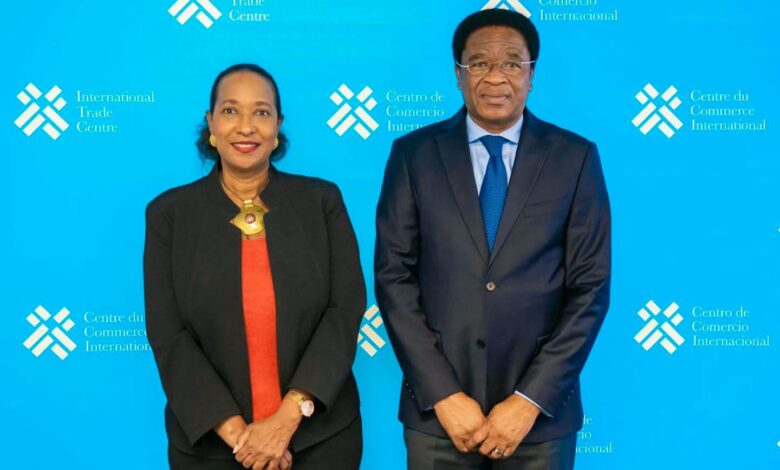
Lesotho is stepping up efforts to strengthen private sector development and expand its participation in regional and global trade following a high-level meeting between H.E. Tsiu Khathibe, Ambassador of Lesotho to the United Nations and other International Organisations in Geneva, and Ms. Pamela Coke-Hamilton, Executive Director of the International Trade Centre (ITC). The meeting was held on 25 August 2026 and focused on identifying practical opportunities for stronger collaboration between Lesotho’s private sector and international trade institutions. Discussions centred on trade-led economic growth, with particular attention given to improving the competitiveness of small and medium-sized enterprises. The engagement also highlighted the importance of diversifying Lesotho’s exports and creating stronger connections between local businesses and international markets. The meeting reflects a broader recognition that strengthening SMEs can play an important role in expanding economic opportunities and supporting sustainable employment.
A major focus of the discussions was the need to create conditions that allow Lesotho’s SMEs to become more competitive and participate more effectively in regional and global value chains. Small and medium-sized businesses form an important part of economic activity because they can create jobs, develop local products and provide opportunities for entrepreneurs to enter formal markets. However, businesses often face challenges that limit their ability to expand beyond domestic markets and compete internationally. Improving access to finance was therefore identified as an important area of cooperation, particularly for businesses that require funding to invest in equipment, technology, production capacity and market expansion. Better access to suitable financial services could help viable SMEs strengthen their operations and take advantage of new trade opportunities.
The discussions also placed strong emphasis on e-commerce and digital trade as tools that could help Basotho businesses reach customers beyond traditional markets. Digital platforms can reduce some of the barriers that smaller companies face when entering new markets by providing opportunities to promote products, communicate with buyers and process transactions online. For SMEs in sectors such as textiles, apparel, leather and handicrafts, stronger digital capabilities could create additional channels for reaching regional and international customers. However, businesses need reliable connectivity, appropriate digital skills and supportive regulatory frameworks to benefit fully from these opportunities. Expanding digital trade could therefore form part of a broader strategy to modernise Lesotho’s private sector and make its businesses more adaptable to changing global markets.
Another important area discussed during the meeting was green and sustainable production. International markets are increasingly placing greater emphasis on environmental standards, responsible sourcing and sustainable production practices. For Lesotho, this creates both challenges and opportunities for businesses seeking to expand their exports. Helping SMEs adopt more sustainable production methods could improve their ability to meet international buyer requirements while also supporting more efficient use of resources. Investment in sustainable production could become particularly relevant for industries such as wool and mohair, leather, textiles and apparel, where product quality, traceability and responsible production can influence access to higher-value markets.
The wool and mohair sector received particular attention because of its potential contribution to export diversification and value addition. Lesotho has established experience in producing wool and mohair, but expanding the economic benefits of these industries requires more than simply exporting raw materials. Greater processing, product development and access to international buyers could enable businesses to capture more value within the country. Strengthening links between producers, manufacturers, exporters and international markets could also create opportunities for SMEs to participate in different stages of the value chain. Such developments could support investment, create new business opportunities and contribute to broader economic diversification.
Leather, textiles and apparel were also identified as sectors with potential for expanded investment and international market participation. These industries can support employment across production, manufacturing, logistics and related services when the right conditions exist for businesses to grow. Improving the competitiveness of companies operating in these sectors could help Lesotho attract investment while creating opportunities for existing SMEs to expand their production capacity. Export diversification is particularly important because reliance on a limited number of products or markets can expose an economy to external shocks and changing demand. Developing a wider range of competitive products could give Lesotho businesses greater resilience and open new opportunities in regional and international markets.
The meeting also considered the role of the African Continental Free Trade Area, or AfCFTA, in expanding opportunities for Lesotho’s businesses. Deeper integration under AfCFTA could provide SMEs with access to a larger African market and create opportunities to build regional supply chains. However, businesses need the capacity to meet product standards, understand trade requirements and identify suitable buyers before they can benefit fully from expanded market access. Strengthening trade-related information and business support services could therefore be important in helping SMEs take advantage of the agreement. Greater participation in African value chains could also help Lesotho businesses develop experience that positions them for further expansion into global markets.
Despite the opportunities, the meeting acknowledged that structural constraints continue to affect the competitiveness of Lesotho’s SMEs. Connectivity costs can increase the expense of doing business and make it harder for companies to use digital platforms effectively. Infrastructure limitations can also affect transportation, production and access to markets, particularly for businesses that depend on reliable logistics to move goods. Skills development represents another important challenge because companies need workers with technical, digital, managerial and export-related capabilities to compete successfully. Addressing these constraints will require coordinated efforts involving government institutions, the private sector, development partners and international organisations.
An enabling policy environment will also be essential if private sector collaboration and trade-led growth are to produce lasting results. Businesses need clear regulations, predictable policies and efficient processes when they invest, produce goods and trade across borders. Policies that reduce unnecessary barriers and improve access to business support can help SMEs focus more effectively on growth and innovation. International cooperation can complement domestic reforms by providing technical assistance, market knowledge and opportunities to connect businesses with potential partners. The engagement between Lesotho and the ITC therefore highlights the value of combining national priorities with international expertise and private sector development initiatives.
Youth employment formed another important dimension of the discussions. Lesotho’s ability to generate sustainable employment opportunities for young people will depend partly on whether its economy can create competitive businesses capable of expanding and entering new markets. Sectors such as textiles, apparel, leather and value-added agricultural products can offer employment opportunities when supported by investment, skills development and reliable market access. Digital commerce could also create new opportunities for young entrepreneurs and businesses that can use technology to sell products and services across borders. Supporting youth participation in growing industries could therefore link trade development with broader economic inclusion.
The meeting between Ambassador Tsiu Khathibe and Pamela Coke-Hamilton signals an opportunity to strengthen cooperation around practical measures that can support Lesotho’s private sector. Access to finance, digital trade, sustainable production, AfCFTA integration and stronger participation in value chains all have the potential to improve the position of SMEs in the economy. At the same time, the country will need to address connectivity, infrastructure, skills and policy challenges if businesses are to take full advantage of these opportunities. A coordinated approach could help attract investment, develop higher-value exports and strengthen the ability of Basotho businesses to compete in international markets. The discussions therefore point towards a trade development strategy that places SMEs, diversification and sustainable economic participation at the centre of Lesotho’s growth ambitions.
Join 'Lesotho News' WhatsApp Channel
Get breaking Lesotho news — delivered directly to your WhatsApp.
CLICK HERE TO JOIN