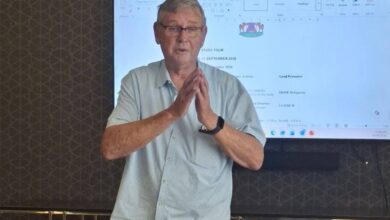
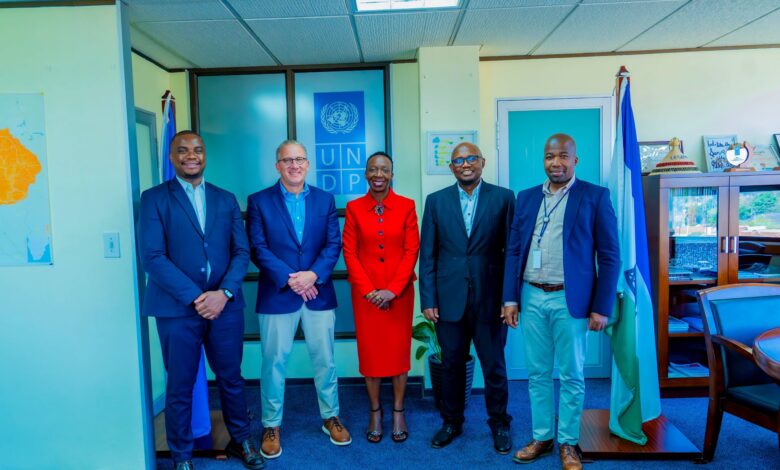
Lesotho’s ongoing reform process received renewed attention yesterday as the United Nations Development Programme (UNDP) engaged constitutional law researchers involved in supporting the country’s reform agenda. The Office of the UNDP Resident Representative, Dr. Jacqueline Olweya, hosted a meeting with Professor Hoolo ‘Nyane, Mr. Terry Hoverter and Mr. Bakang Ntshingane, who have been engaged by the British High Commission in Lesotho to contribute to the reform process. The meeting provided an important platform for examining progress made so far and considering challenges that have emerged during the implementation of reform initiatives. It also created space for a deeper discussion about the political and institutional environment influencing the pace and direction of reforms. The engagement reflects the importance of sustained coordination among development partners, researchers and national stakeholders as Lesotho continues its reform journey.
The meeting focused on reflecting on UNDP’s support to the national reform process and assessing the experience gained through that work. Reform programmes often involve complex institutional, political and legal considerations, making regular assessment important for identifying what is working and where adjustments may be necessary. The discussions provided an opportunity to examine progress while also acknowledging challenges that could affect the implementation of reforms. Bringing constitutional law researchers into these conversations adds valuable expertise to discussions around institutional design, legal frameworks and governance. Their involvement can help strengthen the understanding of the issues that need to be addressed as Lesotho works towards building more effective and accountable institutions.
Constitutional reform has implications that extend across the country’s political and institutional systems. Changes to constitutional and governance arrangements can influence how state institutions function, how responsibilities are distributed and how public accountability is maintained. This makes it important for reform efforts to consider both legal requirements and the political realities within which institutions operate. The engagement between UNDP and the researchers therefore provided an opportunity to look beyond individual reform activities and consider the broader context shaping the process. A better understanding of these factors can help development partners design support that responds to the realities facing Lesotho rather than relying on approaches that may not fully reflect the country’s circumstances.
The participation of researchers engaged by the British High Commission also highlights the role of international partners in supporting Lesotho’s reform agenda. Development and diplomatic partners can provide technical expertise, research and resources that complement national efforts. However, effective reform requires these forms of support to remain aligned with national priorities and the needs identified by stakeholders within Lesotho. The meeting offered an opportunity for different strands of international support to be considered alongside UNDP’s existing work. Greater coordination can help reduce duplication, strengthen the quality of technical assistance and ensure that support contributes to a coherent reform process.
The discussions also explored possible pathways for advancing the reform agenda in the future. Identifying practical ways forward is important because reform processes can face delays or difficulties when political, legal and institutional interests are not sufficiently aligned. Future support will need to take account of lessons from the work already undertaken while responding to emerging priorities. The engagement therefore placed emphasis on ensuring that assistance remains well-informed and strategically targeted. This approach can help stakeholders focus resources and expertise on areas where they can make the greatest contribution to strengthening Lesotho’s reform process.
Another important aspect of the meeting was the need to ensure that future support remains responsive to Lesotho’s priorities, needs and realities. Reform initiatives are more likely to have lasting value when they reflect the country’s institutional environment and respond to issues identified through national processes. External expertise can provide useful perspectives, but it must be adapted to the local context to achieve sustainable results. Continued dialogue between national institutions, researchers and development partners can help maintain this balance. The meeting consequently reinforced the importance of listening to local needs while using specialised expertise to address complex constitutional and institutional questions.
UNDP’s continued involvement in the reform process also demonstrates the importance of sustained institutional support. Reform is rarely achieved through a single intervention or isolated policy change because institutional transformation requires time, coordination and consistent attention. Regular engagement allows stakeholders to assess developments, identify emerging obstacles and adjust their approaches when necessary. It also creates opportunities to strengthen relationships between organisations working towards shared governance objectives. The meeting hosted by Dr. Olweya provided another opportunity to maintain this dialogue and ensure that UNDP’s future contribution remains relevant to the changing needs of the reform process.
The engagement comes at a time when continued attention to constitutional and institutional reform remains important for Lesotho’s governance development. The participation of constitutional law experts provides an opportunity to bring specialised knowledge into discussions about the country’s reform priorities. At the same time, the involvement of UNDP and the British High Commission demonstrates the value of cooperation among institutions supporting national reform efforts. Effective coordination can help stakeholders develop a clearer understanding of challenges and identify realistic pathways for addressing them. Maintaining this collaborative approach will be important as Lesotho continues to navigate the political and institutional complexities associated with its reform agenda.
Yesterday’s meeting between Dr. Jacqueline Olweya and the constitutional law researchers represented a constructive step in strengthening dialogue around Lesotho’s ongoing reform process. The discussions provided an opportunity to reflect on progress, examine challenges and deepen understanding of the political and institutional factors influencing reform. They also highlighted the importance of ensuring that future international support remains strategically focused and closely aligned with Lesotho’s priorities and realities. Continued cooperation between UNDP, the British High Commission, constitutional researchers and national stakeholders can contribute to a more coordinated approach to the reform agenda. As the process continues, sustained engagement, informed research and locally responsive support will remain important to helping Lesotho advance reforms that strengthen its institutions and contribute to effective governance.
Join 'Lesotho News' WhatsApp Channel
Get breaking Lesotho news — delivered directly to your WhatsApp.
CLICK HERE TO JOIN