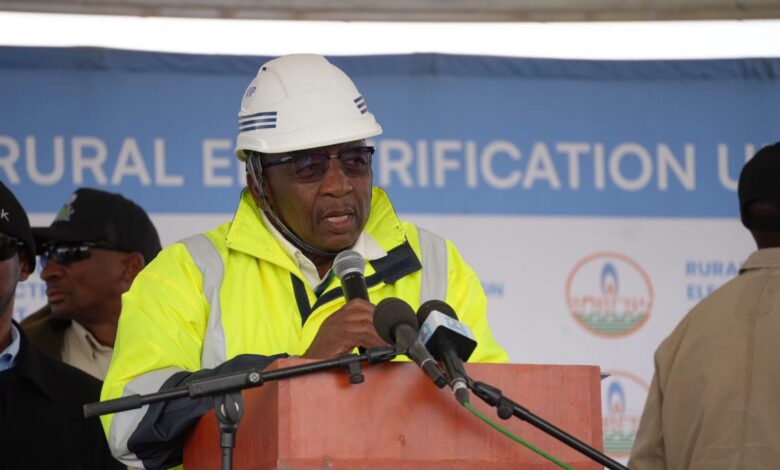
The Right Honourable Prime Minister Samuel Matekane has launched the Semonkong Hydropower Station in a major step towards improving access to reliable electricity for communities in the area. The M78 million project is supported by the World Bank and is designed to revive the existing 220-kilowatt hydropower station while adding modern energy storage and backup capacity. The project forms part of the Government of Lesotho’s broader ambition to ensure that every Mosotho has access to electricity by 2030. Reliable electricity is essential for households, businesses, schools, health facilities and tourism operations, particularly in communities that have experienced limited or inconsistent access to power. The Semonkong project therefore represents an investment not only in energy infrastructure but also in the social and economic development of the community.
Speaking at the launch, Prime Minister Matekane explained that the project will rehabilitate the existing hydropower facility and introduce a 1,500 megawatt-hour battery storage system. A diesel generator will also provide backup capacity, helping to improve the reliability of electricity supplied to the community. The combination of hydropower, battery storage and backup generation is intended to provide a more dependable electricity system that can better respond to fluctuations in supply. Reviving infrastructure that has already been established can also provide a practical way of expanding energy access while making use of existing water resources. The Prime Minister’s emphasis on universal electricity access by 2030 places the Semonkong project within a much wider national effort to expand the country’s energy infrastructure.
The Semonkong Hydropower Station has particular importance because electricity access can influence many aspects of community development. Households with reliable electricity can improve lighting, communication and access to information while reducing dependence on alternative sources of energy. Businesses can operate more consistently and potentially extend their trading hours when they have dependable power. Schools and health facilities can also use electricity to support essential services and improve working conditions. For a community such as Semonkong, improved electricity supply can therefore create benefits that extend well beyond the immediate operation of the power station.
The project also demonstrates the importance of using Lesotho’s natural resources to support sustainable development. Hydropower allows electricity to be generated from water resources and has historically played a role in the country’s energy system. The Minister of Finance and Development Planning, Hon. Retšelisitsoe Matlanyane, explained that the electricity project had been initiated long ago using water resources, but the equipment eventually became worn out. The deterioration of the equipment contributed to an electricity shortage in the area, creating a need for rehabilitation and investment. The Government subsequently engaged the World Bank, which agreed to support the project and help restore the facility.
The World Bank’s involvement highlights the role that development partnerships can play in strengthening critical infrastructure in Lesotho. Acting World Bank Representative in Lesotho, Ms. Mafupu Mokoena, said the organisation was proud to support the Semonkong project because of its potential to improve livelihoods. She pointed to the expected benefits for education, tourism, health centres and businesses in the community. These sectors depend on dependable electricity to operate effectively and provide services to residents and visitors. Support for energy infrastructure can therefore generate wider development outcomes by creating conditions in which communities and local enterprises can function more effectively.
Tourism is particularly relevant to Semonkong because the area is known for its natural attractions and has potential to benefit from a stronger tourism economy. Reliable electricity can support accommodation facilities, restaurants, tourism operators and other businesses that serve visitors. It can also improve the ability of tourism establishments to provide basic services and maintain operations throughout the year. Better energy infrastructure can make it easier for entrepreneurs to establish or expand businesses connected to tourism. By improving electricity access, the hydropower project could therefore contribute to the development of an environment where tourism-related economic activity can grow.
The impact on education could also be significant because schools require reliable electricity for lighting, digital learning tools, communication and other educational activities. Access to electricity can help learners and teachers use computers and other technologies that are increasingly important in modern education. It can also improve conditions for studying after daylight hours and support administrative functions within schools. For communities where electricity access has been unreliable, restoring a dependable supply can remove an important obstacle to educational development. The Semonkong project therefore has the potential to support both immediate community needs and longer-term human capital development.
Health services are another important area expected to benefit from improved electricity reliability. Health centres require dependable power for lighting, refrigeration, communications, medical equipment and other essential operations. Interruptions in electricity supply can create difficulties for health workers and affect the delivery of services to patients. A more stable electricity supply can help health facilities operate more effectively and provide safer conditions for both patients and healthcare workers. The expected benefits identified by the World Bank therefore extend into areas that directly affect the wellbeing of the Semonkong community.
The Minister of Energy and Mining, Hon. Lejone Mpotjoane, also used the occasion to highlight the potential role of young people in Lesotho’s development. He said the Government recognises the willingness of young people to work hard and contribute to national progress. The Ministry is exploring strategies to involve young people in development projects and create opportunities for them to work alongside established organisations and experienced professionals. This approach could give young Basotho practical exposure while allowing them to contribute their skills to important national projects. Greater youth participation in infrastructure development can also help build technical expertise and create a stronger pipeline of professionals who can support Lesotho’s energy sector in the future.
The focus on youth participation is particularly relevant to the long-term sustainability of infrastructure projects such as the Semonkong Hydropower Station. Building and maintaining energy infrastructure requires technical skills, project management expertise and knowledge that must be transferred between generations. Giving young professionals opportunities to work alongside experienced organisations can help strengthen these capabilities within the country. It can also create pathways for young people to gain practical experience in engineering, energy management, construction, operations and other fields. Connecting national development projects with youth development could therefore provide benefits that continue long after the completion of individual infrastructure projects.
The launch was attended by Cabinet Ministers and key stakeholders from the energy sector, reflecting the national importance of the project. Cooperation between government departments, development partners, technical experts and local stakeholders will remain important as Lesotho works towards its electricity access target for 2030. The Semonkong project demonstrates how investment in existing infrastructure can be combined with modern technology to address longstanding energy challenges. The battery storage system and diesel backup are intended to strengthen reliability while the rehabilitation of the hydropower station restores generation capacity. Effective operation and maintenance will be essential to ensuring that the investment delivers lasting value to the community.
The launch of the Semonkong Hydropower Station marks an important step in Lesotho’s efforts to expand reliable electricity access and support inclusive development. The M78 million World Bank-supported project brings together hydropower rehabilitation, battery storage and backup generation to address the electricity challenges experienced in the area. Its potential benefits extend across households, businesses, education, healthcare and tourism, making it an important community development project as well as an energy initiative. The Government’s target of ensuring electricity access for every Mosotho by 2030 will require continued investment, strong partnerships and effective implementation of projects across the country. With the Semonkong project now launched, the Government, development partners and local stakeholders have an opportunity to ensure that this investment delivers reliable power and contributes meaningfully to the community’s economic and social development.
Join 'Lesotho News' WhatsApp Channel
Get breaking Lesotho news — delivered directly to your WhatsApp.
CLICK HERE TO JOIN