NUL and UFS Launch WoRiTH Chapter to Advance Women’s Leadership in the Humanities

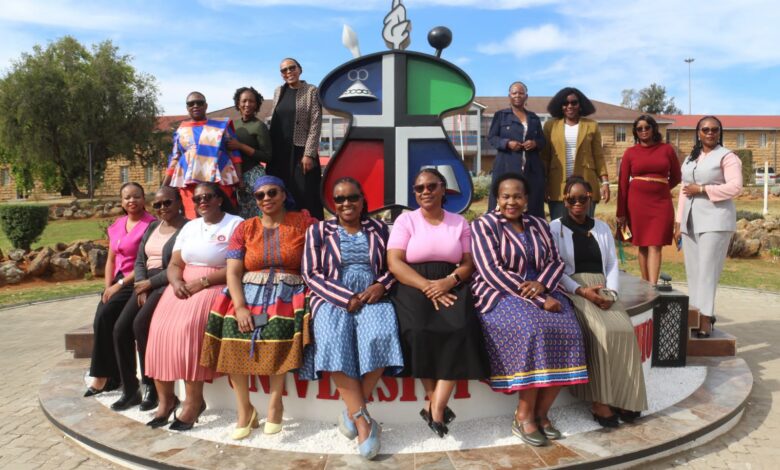
The National University of Lesotho (NUL) and the University of the Free State (UFS), through their respective Faculties of Humanities, have officially launched the NUL Women Researchers in the Humanities, known as WoRiTH, Chapter. The launch took place at NUL’s Roma Campus on Wednesday, 26 August, bringing together women academics and researchers to discuss the realities of working in academia. The initiative provides a platform for women scholars to exchange knowledge, build professional networks and explore opportunities for career advancement. It also comes at a time when universities across the region are placing greater attention on inclusion, mentorship and the development of academic leadership. Through the new chapter, NUL and UFS are strengthening a partnership aimed at creating meaningful opportunities for women in the humanities and related academic fields.
The WoRiTH collaboration between the two institutions dates back to May 2025 and has gradually developed into a platform for knowledge exchange, mentorship and recognition of women academics. Since its establishment, the partnership has created several opportunities for scholars from both universities to engage with one another and discuss issues affecting their professional development. These engagements recognise that academic advancement requires more than individual achievement and can also depend on access to mentorship, research networks and institutional opportunities. By bringing academics together across institutional and national boundaries, the initiative encourages collaboration and the sharing of experiences. The formal launch of the NUL chapter represents another step in building a sustained structure through which women researchers can support one another and contribute to the development of the humanities.
Several milestones have already shaped the collaboration between NUL and UFS. In June 2025, the partnership hosted a virtual workshop that focused on women’s experiences in academia, providing participants with an opportunity to discuss challenges encountered throughout their academic careers. In December 2025, academics gathered at UFS to celebrate the achievements of Black women academics and recognise their contributions to scholarship. Another important milestone came in March 2026, when a mentorship workshop was facilitated by Professor Naomi, originally from Uganda and currently based in the United Kingdom. These activities have helped create continuity within the partnership while demonstrating the value of connecting women academics through mentorship, recognition and professional dialogue.
The collaboration is built around three key areas that guide its objectives and activities. The first is research, scholarship and publication, which focuses on strengthening scholarly work and creating opportunities for women researchers to contribute to academic debates. The second is community engagement, recognising that universities have an important role to play in connecting academic knowledge with the needs and experiences of wider communities. The third is Black women’s leadership in academia and wider institutions, with an emphasis on supporting women as they progress into positions where they can influence policy, research and institutional development. Together, these areas provide a framework for strengthening academic collaboration while addressing some of the professional barriers that can limit women’s advancement.
Research and publication are particularly important to academic progression because scholarly output can influence professional recognition, career advancement and access to further opportunities. Women researchers often need strong networks and institutional support to develop research projects, publish their findings and establish themselves within their respective fields. The WoRiTH initiative creates opportunities for academics to exchange ideas, identify potential areas of collaboration and encourage one another to pursue scholarly work. Stronger cooperation between NUL and UFS can also open opportunities for joint research and knowledge production across disciplines. By increasing the visibility of women researchers, the partnership can contribute to a more diverse academic environment in which women’s scholarship receives greater recognition.
Mentorship forms another important part of the initiative because professional guidance can help academics navigate the different stages of an academic career. Early-career researchers can benefit from the experience of established scholars who understand the demands of research, teaching, publication and institutional leadership. Mentorship can also provide practical guidance on building academic networks, identifying opportunities and developing confidence in professional settings. The March 2026 mentorship workshop demonstrated the partnership’s commitment to creating these forms of support. Continued mentorship through WoRiTH could help strengthen connections between academics at different career stages while encouraging more women to pursue leadership and senior academic roles.
The launch at NUL’s Roma Campus also created an opportunity for candid discussions about the structural and professional challenges affecting women in academia. Participants were able to identify barriers that can influence women’s career progression and consider practical ways of addressing them. These conversations are important because professional advancement can be affected by institutional structures, access to opportunities, recognition of scholarly work and the availability of supportive networks. Addressing such challenges requires both individual strategies and institutional commitment. The discussions therefore provided an opportunity to move beyond simply identifying barriers and consider how collaboration, mentorship and stronger academic networks can contribute to meaningful change.
The focus on Black women’s leadership gives the initiative an additional dimension within the academic environment. Leadership development can help women gain the skills, confidence and professional networks needed to contribute to decision-making within universities and other institutions. Increasing the representation of Black women in leadership can also broaden the range of perspectives contributing to academic and institutional priorities. The WoRiTH partnership seeks to create space for these conversations while recognising the achievements of women who have already made important contributions to scholarship. Celebrating those achievements can provide encouragement for emerging academics while creating examples of professional advancement for future generations.
The timing of the launch was also significant because it coincided with the month dedicated to celebrating African women. This provided an appropriate setting for discussions about the contribution of women to scholarship, education and society. Celebrating African women academics can help highlight their research, professional achievements and contributions to communities while drawing attention to the work that remains to be done. The WoRiTH initiative provides a practical mechanism for turning recognition into continued professional support and collaboration. Its focus on research, community engagement and leadership reflects a broader understanding that empowering women academics can have benefits that extend beyond universities.
The collaboration will continue with further academic engagements involving scholars from both institutions. On Thursday, 27 August, curriculum discussions are scheduled to involve UFS academics Dr Rosaline Sebolao and Dr Florence Tadi, together with colleagues from NUL’s Department of Development Studies and Department of Theological and Religious Studies. These discussions provide an opportunity for academics to exchange perspectives on curriculum development and explore areas where their disciplines can work together. The programme will culminate in guest lectures, providing another platform for knowledge sharing and academic interaction. Such engagements can strengthen institutional relationships while giving students and academics opportunities to interact with scholars working across different fields.
The establishment of the NUL WoRiTH Chapter represents a significant development in the ongoing partnership between the National University of Lesotho and the University of the Free State. The initiative brings together research, mentorship, community engagement and leadership development in an effort to strengthen the position of women within the humanities. Its progress since May 2025 demonstrates the value of sustained collaboration rather than one-off academic events. As the partnership develops, continued investment in research networks, mentorship opportunities and leadership programmes could help create lasting benefits for women academics at both institutions. The launch at Roma Campus therefore marks not only a celebration of women researchers but also a renewed commitment by NUL and UFS to building stronger, more inclusive and collaborative academic spaces.
Join 'Lesotho News' WhatsApp Channel
Get breaking Lesotho news — delivered directly to your WhatsApp.
CLICK HERE TO JOIN