UNFPA Calls for United Action to Protect Vulnerable Girls at Gender Coordination Mechanism Forum


The United Nations Population Fund (UNFPA) has called for stronger collaboration among governments, development partners and stakeholders to advance gender equality and protect vulnerable girls and women. The appeal was made by UNFPA Representative John Kennedy Mosoti during the closing session of the Gender Coordination Mechanism Forum, where participants reflected on the importance of coordinated action to address some of the most pressing gender related challenges. The forum served as an important platform for sharing ideas, strengthening partnerships and identifying practical ways to improve collaboration among institutions working in the gender sector. Representatives from government, Parliament, the United Nations, civil society organisations and the private sector came together with a common goal of improving the lives of vulnerable populations. Their discussions highlighted the growing recognition that meaningful progress can only be achieved when all stakeholders work together under a shared vision.
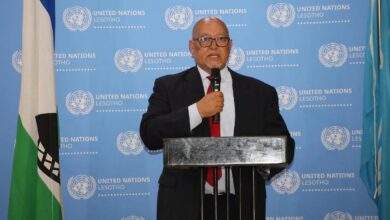
Addressing delegates at the conclusion of the forum, John Kennedy Mosoti emphasized the importance of collective action rather than fragmented efforts. He stated that participants were leaving the gathering with a shared purpose and a renewed commitment to working together instead of operating independently. According to Mosoti, effective collaboration requires every organisation to understand its role while coordinating closely with others to avoid duplication and ensure that available resources are used efficiently. He stressed that institutions can no longer afford to work in parallel if they hope to achieve lasting improvements in gender equality and social protection. His message reflected the broader objective of creating a more united and effective response to challenges affecting women, girls and other vulnerable groups.
A key recommendation emerging from the forum was the need to establish and maintain a comprehensive register that clearly identifies who is implementing specific programmes and where those activities are taking place. Mosoti explained that such a system would improve coordination, strengthen accountability and help organisations identify gaps in service delivery. By having accurate information on ongoing initiatives, stakeholders will be better positioned to direct resources to underserved communities and avoid unnecessary duplication of projects. Improved coordination also allows governments and development partners to measure the effectiveness of interventions while strengthening cooperation across institutions. Participants agreed that transparency and information sharing are essential for delivering meaningful and sustainable outcomes.
One of the most powerful moments during the forum came when Mosoti reminded participants to keep vulnerable children at the centre of every decision they make. He referred to Katleho, a fictional 12 year old girl who is already married and pregnant, as a symbol of the many children whose lives are affected by harmful social practices and gender inequality. Her story served as a reminder that behind every policy discussion and development programme are real people facing serious challenges. The example underscored the urgency of addressing issues such as child marriage, teenage pregnancy, gender based violence and limited access to education. Delegates were encouraged to ensure that every policy, programme and partnership remains focused on protecting children like Katleho and creating opportunities for them to achieve a better future.
The challenges highlighted during the Gender Coordination Mechanism Forum extend beyond individual communities and reflect broader social and economic issues affecting many countries. Gender inequality continues to limit access to education, healthcare, employment and leadership opportunities for millions of women and girls. Vulnerable children often face multiple risks, including poverty, early marriage, violence and inadequate access to essential services. These challenges cannot be solved by one institution acting alone, making coordinated partnerships increasingly important. The forum reinforced the understanding that governments, civil society, development agencies and businesses all have an important role to play in creating safer and more inclusive societies.
The forum brought together a diverse group of stakeholders representing a wide range of sectors and institutions committed to advancing gender equality. Participants included representatives from various organisations, the United Nations, Parliament, government departments and the private sector. This broad participation demonstrated the growing recognition that gender equality is a shared responsibility requiring contributions from every part of society. Each stakeholder brings unique expertise, resources and perspectives that can strengthen national efforts to protect vulnerable populations. Through dialogue and collaboration, participants explored practical ways to improve coordination while identifying opportunities for stronger partnerships in future initiatives.
Another important outcome of the discussions was the recognition that sustainable progress depends on continuous engagement rather than isolated meetings or short term projects. Participants acknowledged the need to strengthen communication channels, share information regularly and monitor the implementation of agreed actions. Effective coordination will require clear leadership, measurable objectives and ongoing commitment from all partners involved. Building trust between institutions and maintaining open dialogue will also help ensure that programmes respond effectively to the needs of vulnerable communities. These commitments provide a stronger foundation for future cooperation while supporting national efforts to promote equality and social justice.
The Gender Coordination Mechanism Forum concluded with a renewed sense of purpose and determination among participants to strengthen collaboration and improve outcomes for vulnerable girls and women. John Kennedy Mosoti’s call for unity served as a powerful reminder that meaningful change depends on organisations working together with shared goals and clear accountability. His emphasis on keeping children like Katleho at the centre of decision making reinforced the human impact of every policy and programme discussed during the forum. By improving coordination, strengthening partnerships and focusing on the needs of the most vulnerable, stakeholders can make significant progress toward achieving gender equality and protecting those at greatest risk. The commitments made during the forum represent an important step toward building a future where every girl has the opportunity to live safely, access education and reach her full potential.
Join 'Lesotho News' WhatsApp Channel
Get breaking Lesotho news — delivered directly to your WhatsApp.
CLICK HERE TO JOIN