Lesotho Highlands Water Project Stakeholders Conference Focuses on Accountability, Community Voices and Sustainable Development

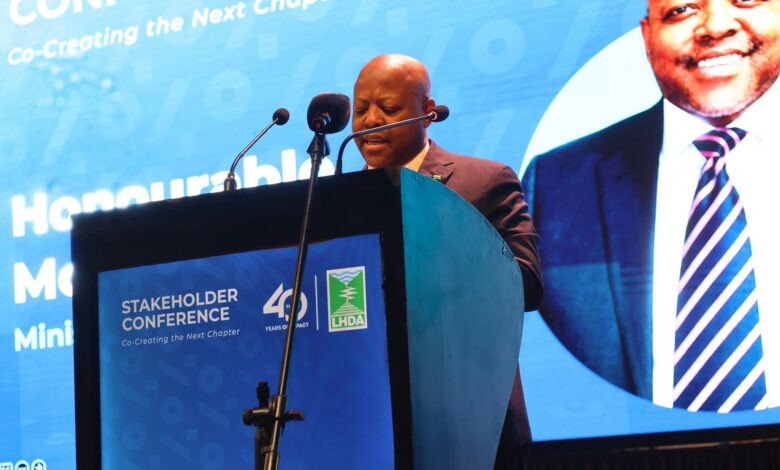
Communities, project partners, principals and stakeholders from across the Lesotho Highlands Water Project (LHWP) gathered at the Manthabiseng Convention Centre in Maseru on 21 October 2026 for the first day of the LHDA Stakeholders Conference. The two-day conference provides a platform for people affected by and involved in the project to engage directly with the Lesotho Highlands Development Authority (LHDA), raise questions, share experiences and contribute ideas about the project’s future. Day One focused on reflection, accountability and building a shared understanding of the project’s achievements, challenges and responsibilities. The gathering also created an opportunity for communities and partners to discuss how the LHWP can continue contributing to development while addressing the concerns of those whose lives and livelihoods are affected by its activities. As the conference progresses, attention is turning towards practical solutions, stronger relationships and shared commitments that can guide the project’s next phase.
The Lesotho Highlands Water Project is a major water infrastructure initiative involving Lesotho and South Africa. It was established to transfer water from Lesotho’s highlands to South Africa while also providing opportunities for hydropower generation and related development in Lesotho. The project involves dams, tunnels, associated infrastructure and communities whose land, livelihoods and access to resources may be affected by its construction and operations. The LHDA plays a central role in implementing and managing the project on the Lesotho side. Because the project has significant social, environmental and economic implications, regular engagement with stakeholders is important for promoting transparency, addressing concerns and ensuring that development decisions consider the interests of affected communities.
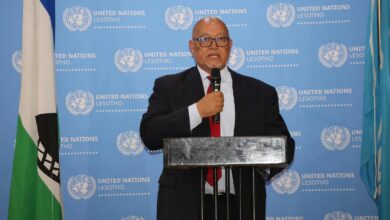
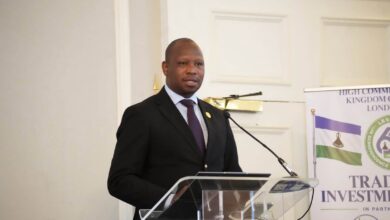
The opening day of the LHDA Stakeholders Conference established a clear focus on open communication and meaningful participation. The LHDA Chief Executive welcomed delegates and set the tone for an honest exchange of views between the Authority and the people it serves. The opening remarks provided an opportunity to reinforce the importance of listening to stakeholders and recognising their experiences as part of the project’s ongoing development. The Minister of Natural Resources delivered the keynote address, placing the conference within the broader context of water resource management and national development. These opening engagements helped establish the purpose of the gathering as a forum for discussion, accountability and cooperation.
One of the key moments on Day One was the launch of the LHDA Integrated Annual Report, which presented the Authority’s performance over the past year directly to stakeholders. The report was presented by the Divisional Manager Corporate Services and offered a formal opportunity to communicate the organisation’s work and performance. Annual reporting is an important part of public accountability because it gives stakeholders a basis for understanding an organisation’s activities, responsibilities and progress. For communities affected by the Lesotho Highlands Water Project, access to clear information can help them better understand decisions and assess how the Authority responds to their concerns. The presentation also created space for questions and discussion about the relationship between reported performance and the experiences of people living in project areas.
Accountability remained central during a session in which senior LHDA managers answered questions from stakeholders about the Authority’s work. The managers responsible for social development and the environment, infrastructure, and operations took part in the engagement. These areas are important because the project’s success depends not only on water delivery and infrastructure performance but also on environmental protection and the well-being of affected communities. Stakeholders need opportunities to ask how decisions are made, how impacts are managed and what measures are in place to address problems. Direct engagement with responsible managers can help clarify issues, identify gaps and strengthen communication between the Authority and the people affected by its operations.
Social development is a particularly important part of stakeholder discussions surrounding large infrastructure projects. Communities affected by dams, tunnels and associated facilities may experience changes to land use, livelihoods, access routes and local economic activity. Addressing these issues requires more than building infrastructure, as it also involves understanding community priorities and responding to social impacts. Effective engagement can help identify practical ways to improve local opportunities, strengthen community relationships and ensure that concerns receive appropriate attention. By placing social development alongside environmental management and infrastructure performance, the conference recognised the need to consider the broader effects of the LHWP.
Environmental management was another important area of accountability during the conference. Water infrastructure projects can affect rivers, catchment areas, habitats and the availability of natural resources relied on by nearby communities. Responsible management requires ongoing attention to environmental risks, compliance with relevant requirements and measures to reduce or address harmful impacts. Stakeholders also need clear information about environmental responsibilities and how concerns are investigated and managed. Discussion between communities and LHDA representatives can help build understanding of these issues and encourage a more cooperative approach to protecting natural resources over the long term.
The afternoon programme placed stakeholders at the centre of the conference through dialogue panels and open reflections. These sessions gave communities and project partners room to raise concerns, explain their experiences and propose ideas for improving the relationship between the Authority and its stakeholders. Such exchanges are important because communities often have direct knowledge of local conditions and the practical effects of project decisions. Their contributions can help decision-makers understand issues that may not be fully captured in formal reports or technical assessments. The moderator then drew together the key issues raised during the day, helping to establish a shared understanding of the discussions and prepare for the next stage of the conference.
The closure of Day One by LHDA Board Chairperson Mr Peete Molapo marked the end of a programme centred on reflection, engagement and accountability. The first day gave stakeholders opportunities to hear from the Authority’s leadership, examine its reported performance and question senior managers about their areas of responsibility. It also reinforced the importance of creating space for communities to express their views and participate in discussions that affect their future. However, the value of a stakeholder conference depends on what happens after concerns and proposals have been raised. Clear follow-up measures, responsible implementation and continued communication are necessary to demonstrate that stakeholder contributions can influence decisions and practical outcomes.
Day Two of the LHDA Stakeholders Conference is designed to move discussions from listening towards action. Participants are expected to work in Action Labs focused on sustainable communities and economic empowerment. These sessions provide an opportunity to examine practical approaches to community development, local participation and the creation of economic opportunities connected to the project. Sustainable communities require attention to livelihoods, social well-being, access to services and the long-term management of local resources. Economic empowerment also involves creating conditions in which individuals, community organisations and local businesses can develop skills, participate in economic activity and benefit from available opportunities.
The planned Stakeholder Compact is expected to serve as a shared set of commitments between LHDA and its stakeholders, bringing the conference discussions towards a practical outcome. A meaningful compact can help establish common priorities, clarify responsibilities and provide a basis for tracking progress after the event. Its effectiveness will depend on whether the commitments reflect the concerns raised by communities and whether the parties involved have clear ways to implement and review them. Continued communication will also be important so that stakeholders can understand what has been agreed and how progress will be assessed. By connecting dialogue with specific responsibilities, the conference has an opportunity to strengthen trust and encourage more consistent cooperation between the Authority and the people affected by the project.
The LHDA Stakeholders Conference in Maseru represents an important opportunity to strengthen accountability, community participation and cooperation across the Lesotho Highlands Water Project. Day One brought together communities, partners, principals and stakeholders to discuss performance, question senior managers and share views on social development, environmental management, infrastructure and operations. The launch of the Integrated Annual Report and the open dialogue sessions placed transparency and stakeholder experience at the centre of the programme. Day Two is intended to build on that foundation through practical work on sustainable communities, economic empowerment and a Stakeholder Compact that sets out shared commitments. The lasting success of the conference will depend on how effectively the concerns raised and commitments made translate into action, helping ensure that the LHWP delivers its intended benefits while treating affected communities as essential partners in its future.
Join 'Lesotho News' WhatsApp Channel
Get breaking Lesotho news — delivered directly to your WhatsApp.
CLICK HERE TO JOIN