National University of Lesotho Hosts Regional Workshop to Advance Entrepreneurship Education Across SADC

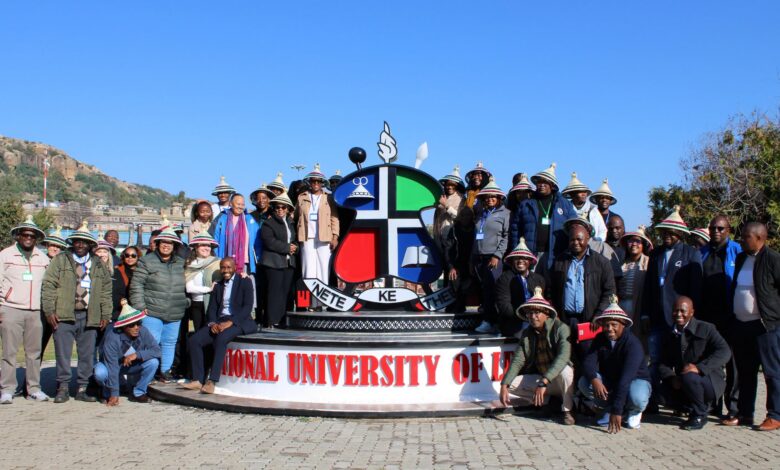
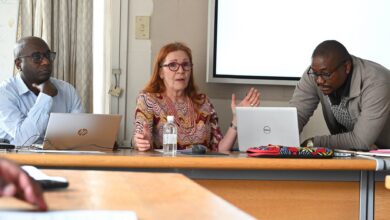
The National University of Lesotho, through the UNIICo-Create Project under the Faculty of Social Sciences, has successfully hosted a University and Industry Co-Creation Joint Study Module Workshop aimed at strengthening entrepreneurship education across the Southern African Development Community (SADC). The four-day workshop took place from 23 to 26 June 2026 and brought together approximately 40 representatives from local, regional and international universities and organisations. The gathering reflected a shared commitment to developing innovative learning opportunities that better prepare university graduates for the changing demands of the modern economy. As entrepreneurship continues to play a critical role in economic development, the workshop highlighted the importance of collaboration between higher education institutions and industry partners. The event also reinforced the National University of Lesotho’s growing role as a regional leader in promoting academic innovation and practical skills development.
The primary objective of the workshop was to finalise a joint entrepreneurship micro-credential that will be implemented across participating universities in the SADC region. A micro-credential is designed to provide students with focused knowledge and practical competencies in a specific area, making it easier for graduates to respond to labour market needs and create their own business opportunities. Participants worked together to ensure that the programme would meet international academic standards while remaining relevant to the unique economic and social realities of Southern Africa. Through collaborative discussions, the delegates sought to create a qualification that can be adopted across multiple universities, allowing students to benefit from consistent and high-quality entrepreneurship education. This regional approach demonstrates the growing importance of cooperation in addressing common development challenges.
Throughout the four-day programme, participants carefully examined every aspect of the proposed entrepreneurship curriculum. They reviewed the intended learning outcomes to ensure that students would gain practical knowledge alongside essential entrepreneurial skills. The workshop also focused on refining the assessment framework so that learners would be evaluated in ways that accurately measure their understanding and ability to apply entrepreneurial concepts. Teaching approaches received considerable attention, with participants discussing innovative methods that encourage creativity, problem-solving and business development. These discussions were aimed at creating a curriculum that is both academically rigorous and practically relevant for students across the region.
Another important focus of the workshop was the exchange of experiences and best practices among universities and organisations from different countries. Participants shared successful approaches that have strengthened entrepreneurship education within their own institutions, allowing others to learn from proven models. These discussions helped ensure that the new micro-credential reflects regional priorities while remaining flexible enough to accommodate the needs of different universities. By learning from one another, the delegates were able to identify practical solutions to common challenges facing higher education institutions across the SADC region. This collaborative process strengthened the quality of the final curriculum and reinforced partnerships between participating institutions.
The workshop also built on recommendations developed during earlier curriculum co-creation meetings held in Cape Town and Ireland. Those previous engagements laid the foundation for the current curriculum, while the Lesotho workshop provided an opportunity to critically review and improve the draft version. Participants carefully revised different sections before reaching agreement on the final document. The approved draft will now be submitted to European Union partners for expert review before the programme enters its pilot implementation phase. This additional review process is expected to ensure that the curriculum meets international quality standards while remaining responsive to regional development priorities.
Several significant outcomes emerged from the workshop, reflecting months of collaboration between academic institutions and development partners. Among the major achievements was the development of a comprehensive entrepreneurship micro-credential competency framework that clearly outlines the knowledge, skills and abilities students are expected to acquire. Participants also established a governance model to guide the management and delivery of the programme across participating universities. In addition, they developed a student learning journey that maps how learners will progress through the qualification from enrolment to completion. The workshop further produced an assessment framework and a pilot implementation plan that will support the successful introduction of the programme within selected universities.
The entrepreneurship micro-credential has the potential to make a meaningful contribution to graduate employability throughout the SADC region. Many university graduates possess academic qualifications but often require additional entrepreneurial skills to establish successful businesses or adapt to changing labour markets. By focusing on innovation, creativity and practical problem-solving, the programme aims to equip students with the confidence and knowledge needed to identify opportunities and create sustainable enterprises. The initiative also supports governments’ broader efforts to reduce unemployment and promote inclusive economic growth. As entrepreneurship becomes an increasingly important driver of development, programmes such as this can help produce graduates who are capable of generating employment rather than only seeking it.
By hosting the University and Industry Co-Creation Joint Study Module Workshop, the National University of Lesotho has reaffirmed its commitment to advancing innovation, entrepreneurship and regional collaboration in higher education. The successful completion of the workshop marks another important milestone in the development of a shared entrepreneurship curriculum that can benefit universities across the SADC region. With the draft micro-credential now prepared for expert review and future pilot implementation, participating institutions are one step closer to offering students a modern and practical learning experience. The initiative reflects a strong commitment to preparing graduates with the skills, knowledge and entrepreneurial mindset needed to create employment opportunities, stimulate economic growth and contribute to sustainable development in Lesotho and across Southern Africa. As the project moves into its next phase, the partnerships established during the workshop are expected to continue strengthening higher education and supporting long-term regional development.
Join 'Lesotho News' WhatsApp Channel
Get breaking Lesotho news — delivered directly to your WhatsApp.
CLICK HERE TO JOIN