Lesotho Strengthens Biodiversity Governance Through Access and Benefit-Sharing Training

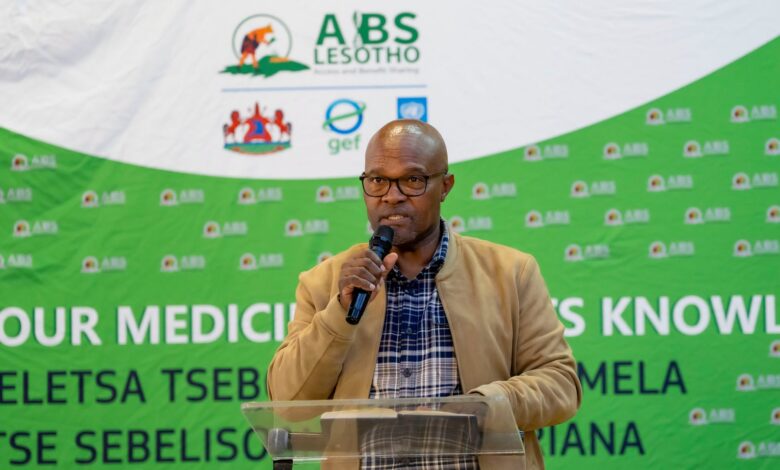
Lesotho is strengthening efforts to protect and sustainably use its natural resources through training focused on Access and Benefit-Sharing (ABS), the Nagoya Protocol and the country’s legal and policy framework for biodiversity governance. A two-day workshop brought together key stakeholders to improve their understanding of how natural resources should be accessed, used and managed in a fair and sustainable manner. The initiative forms part of a broader week-long ABS training course being held in the Thaba-Bosiu area, bringing together stakeholders involved in matters related to the proper use of Lesotho’s natural resources. The training provides an important platform for participants to examine the rights and responsibilities associated with biological resources and traditional knowledge. It also reinforces the need for Basotho to play an active role in protecting the country’s natural heritage for present and future generations.
The two-day workshop focused on strengthening participants’ understanding of Access and Benefit-Sharing, a framework designed to promote fairness when genetic resources and associated traditional knowledge are accessed and used. ABS recognises that communities and countries that provide biological resources should have a fair opportunity to benefit from their use. This principle is particularly relevant to Lesotho, where natural resources form part of the country’s environmental, cultural and economic assets. The workshop gave stakeholders an opportunity to explore how ABS principles can be applied within the country’s legal and policy environment. Better understanding among government officials, communities, researchers and other stakeholders can support more responsible decisions about the use of biological resources.
The training also examined the Nagoya Protocol, an international agreement that provides a legal framework for access to genetic resources and the fair sharing of benefits arising from their utilisation. Understanding the protocol is important because biological resources can have scientific, commercial and economic value beyond their immediate use. When such resources are accessed for research, product development or other purposes, clear rules can help ensure that benefits are shared fairly with the countries and communities that provide them. The training allows stakeholders to understand how these international principles relate to Lesotho’s own legal and policy framework. This can strengthen the country’s ability to protect its interests while supporting responsible research, innovation and sustainable economic activity.
A major part of the week-long course involves reviewing laws and regulations governing the equitable use of Lesotho’s natural resources. Participants are being encouraged to understand not only what the law permits but also the procedures and responsibilities that should guide the use of natural resources. Effective natural resource governance requires clear rules that protect biodiversity while allowing communities and businesses to benefit from resources in sustainable ways. The review can also help identify areas where greater public awareness or stronger coordination between institutions may be required. Ensuring that stakeholders understand the legal framework can reduce the risk of misuse and promote greater accountability in the management of the country’s environmental resources.
The involvement of stakeholders from different areas is important because biodiversity governance affects a wide range of interests. Communities depend on natural resources for aspects of their livelihoods, while government institutions have responsibilities for regulation, conservation and development. Researchers and other users of biological resources also need to understand the rules governing access and the sharing of benefits. Bringing these groups together creates opportunities for greater cooperation and a common understanding of how resources should be managed. It also gives stakeholders an opportunity to discuss practical challenges and identify approaches that can support both conservation and economic development.
Natural resources are an important part of Lesotho’s national wealth, making their sustainable management essential for the country’s long-term development. Biodiversity can support agriculture, tourism, scientific research, traditional practices and other economic activities. However, uncontrolled exploitation can damage ecosystems and reduce the availability of resources for future generations. A strong ABS framework can help create a balance between conservation and responsible utilisation by ensuring that access to resources follows established rules. It can also help ensure that communities and other legitimate resource holders are not excluded from benefits generated through the use of resources associated with their environment or knowledge.
The training in the Thaba-Bosiu area therefore carries significance beyond the technical discussions taking place during the sessions. It provides an opportunity to build a stronger culture of responsible natural resource management among people and institutions involved in biodiversity governance. Greater awareness can encourage stakeholders to consider the environmental, social and economic consequences of decisions involving biological resources. It can also help communities understand their rights and responsibilities when external individuals or organisations seek access to resources or associated traditional knowledge. This knowledge can strengthen community participation and contribute to more transparent and equitable resource management.
The call for Basotho to conserve the country’s natural resources also highlights the connection between environmental protection and economic development. Conservation does not mean preventing all use of natural resources, but rather ensuring that resources are used responsibly so they remain available over the long term. Sustainable use can support livelihoods while protecting ecosystems and maintaining the biological resources that future generations may depend on. Lesotho can strengthen this balance by improving awareness of ABS principles and ensuring that laws and policies are effectively implemented. When communities, government institutions and other stakeholders work together, conservation can become part of a broader national approach to sustainable economic development.
The ongoing ABS training course represents an important step towards strengthening biodiversity governance in Lesotho. By bringing stakeholders together to examine the Nagoya Protocol, Access and Benefit-Sharing principles and national laws and regulations, the initiative is helping build the knowledge needed for responsible natural resource management. The success of such efforts will depend on how effectively the knowledge gained during the training is applied in communities, government institutions and other areas where natural resources are accessed and used. Basotho have a shared interest in protecting the country’s biological resources while ensuring that legitimate economic and social benefits can be realised. Conserving Lesotho’s natural resources today can help protect the country’s environmental wealth, strengthen future economic opportunities and ensure that these resources continue to benefit its people for generations to come.
Join 'Lesotho News' WhatsApp Channel
Get breaking Lesotho news — delivered directly to your WhatsApp.
CLICK HERE TO JOIN