Lesotho Strengthens AfCFTA Readiness to Unlock Continental Trade Opportunities for Basotho Businesses

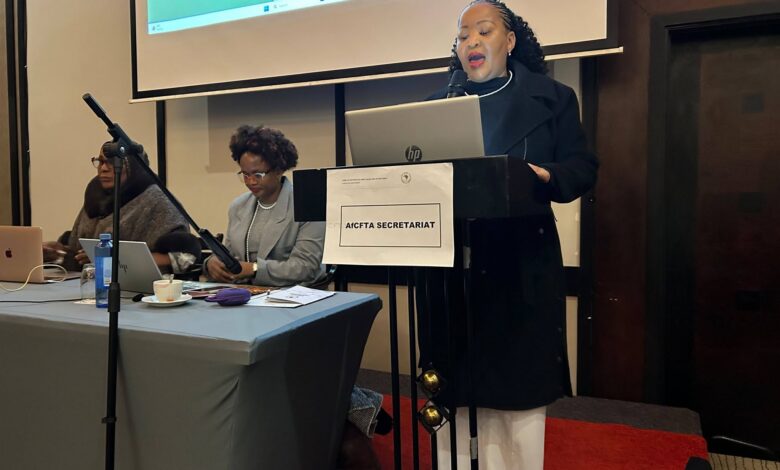
Lesotho is taking important steps to strengthen its participation in the African Continental Free Trade Area (AfCFTA) as the Ministry of Trade, Industry and Business Development focuses on preparing local businesses to compete in markets across the African continent. The ministry is using a comprehensive capacity-building workshop to help Basotho enterprises understand the practical requirements, policies and mechanisms that shape trade under the continental agreement. The initiative comes at a crucial time as African countries continue working towards greater economic integration and increased intra-African trade. For Lesotho, stronger AfCFTA readiness could create opportunities for businesses to reach new customers, expand production and develop sustainable commercial partnerships beyond the domestic market. The workshop therefore represents an important effort to connect national economic development priorities with the wider opportunities presented by Africa’s single market.
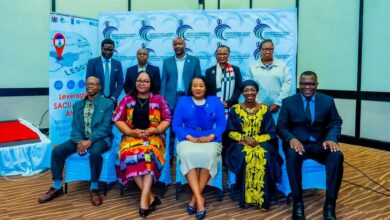
The capacity-building workshop was officially officiated by the Honourable Minister of Trade, Industry and Business Development, Hon. Motlatsi Maqelepo, highlighting the government’s commitment to ensuring that Basotho businesses are prepared to participate meaningfully in continental trade. Following the official opening, the sessions focused on giving participants a deeper understanding of the practical tools and systems they can use when trading under AfCFTA. Rather than treating the agreement as a purely policy-level initiative, the workshop placed emphasis on how businesses can understand and apply its provisions in real commercial situations. This approach is particularly important for Micro, Small and Medium Enterprises (MSMEs), which form an important part of local economic activity but may face challenges when trying to enter unfamiliar regional markets. By improving access to information and building practical trade knowledge, the ministry is helping businesses make more informed decisions about expansion and market access.
A major focus of the workshop was the Protocol on Trade in Goods, which provides an important framework for businesses seeking to move products across African markets under AfCFTA. Participants also explored Competition Policy, Rules of Origin and the AfCFTA e-Tariff Book, all of which can influence how businesses plan their exports and determine the requirements applicable to their products. Understanding Rules of Origin is particularly important because businesses need to establish whether their products qualify for preferential treatment under the agreement. The AfCFTA e-Tariff Book can also help businesses better understand tariff information and assess potential opportunities in different African markets. Providing this knowledge allows Basotho enterprises to move beyond simply producing goods and start considering the regulatory, pricing and market requirements involved in successfully exporting those goods.
The workshop also addressed AfCFTA Trading Companies, Non-Tariff Barriers (NTBs), Technical Barriers to Trade (TBTs) and Sanitary and Phytosanitary (SPS) measures. These areas are important because trade opportunities do not depend only on tariffs, and businesses can encounter regulatory and technical requirements when entering new markets. Non-Tariff Barriers can affect the movement of goods even where tariffs have been reduced, while technical requirements can influence product standards, packaging, labelling and compliance. Sanitary and Phytosanitary measures are especially relevant to agricultural and food-related businesses because products may need to meet specific health and safety requirements before entering another country. Helping businesses understand these issues can reduce uncertainty and improve their ability to identify and address obstacles that may arise during cross-border trade.
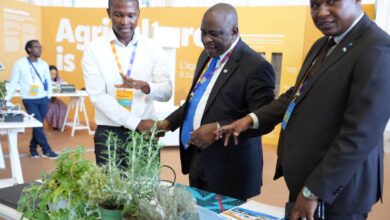
An important feature of the workshop was the opportunity for MSMEs to showcase and exhibit locally produced goods. The exhibition created a practical connection between government trade policy, local production and access to wider markets. For participating businesses, displaying their products provides an opportunity to increase visibility, introduce Made-in-Lesotho products to potential buyers and gain a better understanding of how their offerings can be positioned within the African market. Such exposure can also encourage businesses to assess their product quality, packaging, branding and production capacity from a continental perspective. By bringing policy discussions together with actual local products, the initiative demonstrates that AfCFTA participation ultimately depends on the ability of businesses to produce competitive goods and connect them with consumers beyond Lesotho’s borders.
For Lesotho, the significance of AfCFTA extends beyond the reduction or removal of trade barriers. The agreement provides a broader framework through which the country can pursue productive capacity, industrial development, market expansion and greater participation by local enterprises in regional value chains. Businesses that can access larger markets may have stronger incentives to increase production, improve efficiency and invest in new products and services. Increased commercial activity can also support job creation and create opportunities for suppliers, transport operators, manufacturers, farmers and other participants in the wider economy. However, these benefits depend on businesses having the knowledge, capacity and resources required to meet market requirements, which makes initiatives such as the capacity-building workshop an important part of Lesotho’s broader trade strategy.
Building the capacity of Basotho businesses will also require continued support beyond individual workshops. Enterprises need access to reliable trade information, appropriate standards, financing, technology, market intelligence and export support if they are to compete effectively across Africa. Government agencies, private-sector organisations and business associations can play complementary roles in helping enterprises identify suitable markets and understand the requirements for entering them. MSMEs may also benefit from stronger connections with larger companies and regional value chains that can provide new distribution channels and commercial opportunities. A sustained approach to trade readiness can help ensure that AfCFTA becomes a practical economic opportunity for local businesses rather than remaining primarily a policy commitment.
The emphasis on Made-in-Lesotho products is particularly significant because successful participation in AfCFTA will depend on the strength and competitiveness of domestic production. Lesotho has businesses producing a range of goods and services that can potentially serve customers beyond the country’s borders, but market access requires consistent quality, reliable supply and effective business positioning. Enterprises must also understand consumer demand in different African markets and adapt their products where necessary. Capacity-building can help businesses recognise these requirements and develop more realistic export strategies. When local production is matched with stronger trade knowledge and improved access to markets, Lesotho can increase the potential economic value generated by its participation in the continental trading system.
The Ministry of Trade, Industry and Business Development’s initiative therefore represents an important step towards strengthening Lesotho’s preparedness for AfCFTA. By combining policy education with practical training and an exhibition of locally produced goods, the workshop gives businesses a clearer understanding of both the opportunities and responsibilities associated with continental trade. It also reinforces the importance of developing enterprises that can meet international standards, overcome trade-related challenges and compete effectively in African markets. Continued investment in business capacity, production and market access will be essential if Lesotho is to translate AfCFTA opportunities into measurable economic benefits. From local production to continental markets, Lesotho is building the knowledge and capacity needed to enable Basotho businesses to trade more confidently and competitively across Africa.
Join 'Lesotho News' WhatsApp Channel
Get breaking Lesotho news — delivered directly to your WhatsApp.
CLICK HERE TO JOIN