Lesotho Ministry of Education Develops Technical Assistance Plan to Strengthen Teacher Policy Implementation

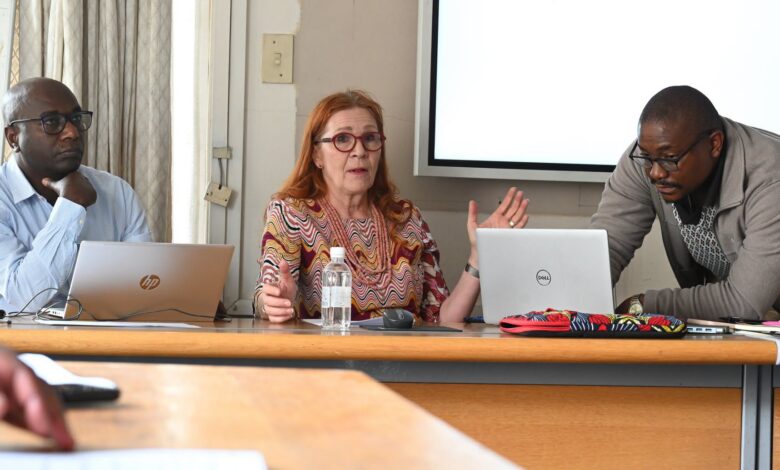
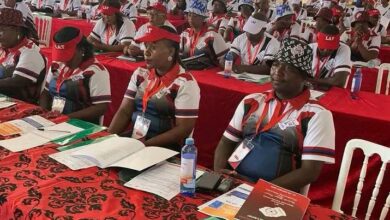
The Ministry of Education and Training in Lesotho, through the Teaching Service Department (TSD), is working to strengthen the country’s education system through a three-day workshop focused on developing a Technical Assistance Country Action Plan (CAP). The workshop, which began on Tuesday, aims to support the implementation of key education reforms designed to improve teacher management, professional development and accountability. The plan will focus on the Comprehensive Teacher Policy, Continuous Professional Development, Teacher Monitoring and Evaluation, Teacher Incentive Models and the operationalisation of the Teaching Council. These priorities reflect the need to turn education policies into practical measures that improve teaching standards and support better learning outcomes. By developing a clear action plan, the Ministry seeks to bridge the gap between policy development and implementation, ensuring that commitments translate into meaningful changes across Lesotho’s education sector.
The development of the Technical Assistance Country Action Plan represents an important step towards improving how teacher-related policies are put into practice. Developing a policy establishes the principles, objectives and standards that guide a sector, but effective implementation requires clear responsibilities, appropriate resources and realistic timelines. Without these elements, even well-designed policies may struggle to achieve their intended results. The three-day workshop provides an opportunity to identify the support required to move from policy commitments to practical action. It also creates space for stakeholders to consider implementation challenges and determine how these can be addressed through coordinated planning. A well-structured Country Action Plan can help the Ministry establish priorities, organise activities and monitor progress as reforms advance.
A central focus of the workshop is the implementation of Lesotho’s Comprehensive Teacher Policy. Such a policy provides an overarching framework for addressing issues related to the teaching profession, including teacher recruitment, deployment, professional standards, career development and working conditions, depending on its specific provisions. Effective implementation can help create a more consistent approach to managing teachers across the education system. It can also clarify expectations for teachers, school leaders and education authorities. Translating policy objectives into practical measures requires coordination between the institutions responsible for teacher management and those delivering education services. The Technical Assistance Country Action Plan is intended to support this process by identifying the actions and assistance needed to advance the policy’s implementation.
Continuous Professional Development is another major priority identified for the workshop. Teachers need opportunities to update their knowledge, improve classroom practices and respond to changing educational needs throughout their careers. Initial teacher training provides an important foundation, but ongoing professional learning helps educators strengthen their skills and address challenges that arise in their daily work. Effective professional development can cover subject knowledge, teaching methods, classroom management, assessment practices and the use of appropriate educational technology. For these programmes to deliver results, they must respond to teachers’ actual needs and provide practical learning opportunities that can be applied in classrooms. By incorporating Continuous Professional Development into the action plan, the Ministry can work towards a more structured approach to supporting teachers’ growth and improving the quality of education.
Teacher Monitoring and Evaluation also features prominently in the planned reforms. Effective monitoring helps education authorities understand how teaching standards are maintained and where teachers may need additional support. Evaluation can provide useful information about classroom practices, professional responsibilities and progress towards agreed objectives. However, these processes should support improvement rather than focus only on identifying shortcomings. A balanced approach can combine clear performance expectations with constructive feedback, mentoring and opportunities for professional development. Strong monitoring and evaluation arrangements can also help decision-makers identify patterns across schools and determine where additional training or resources may be required. By clarifying how these systems will operate, the Country Action Plan can help strengthen accountability while supporting teachers to improve their professional practice.
The workshop will also address Teacher Incentive Models, which can influence teacher motivation, retention and performance when designed around the needs of the education system. Teachers work under different conditions depending on their location, school resources and professional responsibilities. A well-designed incentive framework may help address specific challenges, such as attracting and retaining qualified teachers in underserved areas or recognising additional responsibilities. However, incentive arrangements need clear criteria, transparent procedures and sustainable funding to operate effectively. They should also support fairness and avoid creating unnecessary differences between teachers performing comparable roles. Examining teacher incentives as part of the action planning process can help the Ministry identify suitable approaches that align with national education priorities and the practical realities facing schools.
Another key objective is supporting the operationalisation of the Teaching Council. A functioning Teaching Council can provide an institutional framework for advancing professional standards and strengthening the regulation of the teaching profession, depending on its legal mandate. Its effective operation may involve establishing governance arrangements, defining responsibilities, developing procedures and ensuring that the necessary administrative systems are in place. Clear institutional roles are important to avoid confusion between the Council and other bodies responsible for teacher management and education oversight. The operationalisation process must also take account of the resources and technical capacity needed for the institution to fulfil its responsibilities. By including this priority in the Technical Assistance Country Action Plan, the Ministry is addressing an important part of the wider effort to strengthen professional standards and teacher governance in Lesotho.
Technical assistance can play an important role in helping education authorities move from policy design to implementation. It may involve specialised expertise, institutional support, implementation planning and the development of systems needed to deliver reforms. The precise form of assistance required depends on the priorities identified during the workshop and the capacity already available within the Ministry and its departments. A clear action plan can help establish where additional support is needed and how it should be directed. It can also improve coordination by linking activities to specific responsibilities and expected outcomes. This approach can reduce the risk of reforms remaining at the planning stage without sufficient action to achieve their objectives.
Bridging the gap between policy development and implementation is especially important because education reforms often depend on several connected activities. A policy may set out clear goals, but schools and teachers need practical guidance, adequate resources and consistent institutional support to apply it. Education officials must also understand their responsibilities and have systems for tracking progress. Where these elements are missing, implementation can become uneven, making it difficult to achieve the intended improvements. The three-day workshop provides an opportunity to address these practical requirements through coordinated planning. By identifying priorities, clarifying responsibilities and establishing realistic timelines, the Country Action Plan can help create a clearer path from policy commitments to implementation.
The success of these reforms will ultimately depend on how effectively they respond to the needs of teachers and learners. Teachers require professional support, fair working conditions and clear expectations to perform their responsibilities effectively. School leaders need guidance and appropriate tools to support teachers, while education authorities need reliable information to make decisions and monitor progress. Parents and communities also benefit when schools have qualified, supported and accountable teachers. Stronger teacher policies can contribute to a more stable education workforce and help improve the consistency of teaching across schools. Although the workshop is an important planning step, sustained implementation and regular assessment will be necessary to determine whether the proposed actions are producing the intended results.
The Ministry of Education and Training, through the Teaching Service Department, is using the three-day workshop to establish a practical framework for advancing teacher-related reforms in Lesotho. The proposed Technical Assistance Country Action Plan brings together five important areas: the Comprehensive Teacher Policy, Continuous Professional Development, Teacher Monitoring and Evaluation, Teacher Incentive Models and the operationalisation of the Teaching Council. Addressing these areas through coordinated planning can help strengthen teacher management, professional growth and accountability across the education system. The real value of the process will depend on clear responsibilities, adequate support and consistent follow-through after the workshop concludes. By focusing on implementation as well as policy development, Lesotho can take a more structured approach to strengthening its teaching profession and building an education system that better supports teachers and learners.
Join 'Lesotho News' WhatsApp Channel
Get breaking Lesotho news — delivered directly to your WhatsApp.
CLICK HERE TO JOIN