Lesotho Strengthens Community Peacebuilding Through Peacebuilding Fund Project Board Meeting

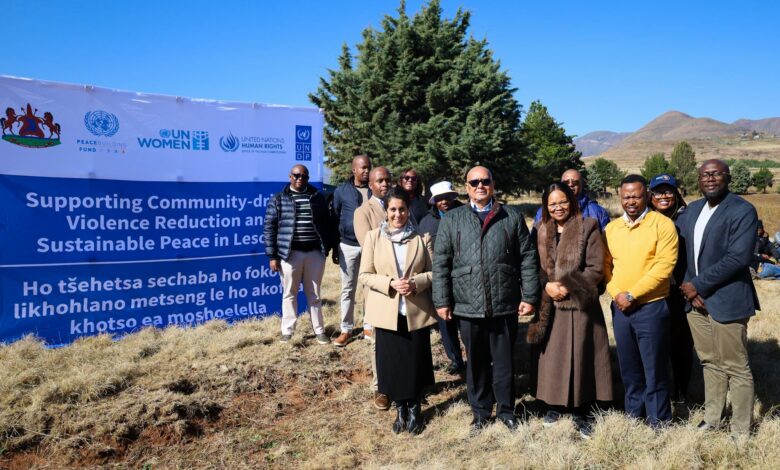
Lesotho has taken another important step toward promoting peace, security and community development through the successful hosting of the second sitting of the Project Board for the Peacebuilding Fund (PBF)-funded Supporting Community-Driven Violence Reduction and Sustainable Peace in Lesotho Project. The meeting was held on 26 June 2026 in Ribaneng, Mafeteng, bringing together government leaders, United Nations representatives, civil society organizations and members of the local community. The gathering reflected a shared commitment to addressing the root causes of violence while strengthening peaceful coexistence across the country. By creating a platform for reviewing progress and discussing future priorities, the meeting reinforced the importance of collaboration in achieving sustainable peace. The event also demonstrated the determination of both national and international partners to ensure that development initiatives deliver meaningful benefits to communities.
The Project Board serves as the highest-level governance and oversight body responsible for guiding the implementation of the Peacebuilding Fund-supported project. Its primary role is to provide strategic leadership, establish policy direction and monitor progress to ensure that project activities remain aligned with Lesotho’s national development priorities. Through regular oversight, the Board helps maintain accountability while ensuring that available resources are used effectively to achieve the project’s objectives. The governance structure also provides an opportunity to identify emerging challenges before they affect project delivery. This approach allows decision-makers to respond promptly and strengthen the overall impact of the initiative.
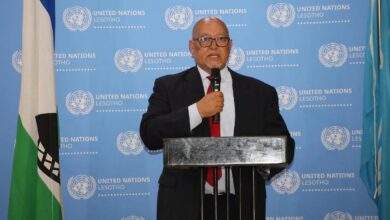
The meeting was co-chaired by the Minister of Home Affairs and Police together with the United Nations Resident Coordinator, reflecting the close partnership between the Government of Lesotho and the United Nations system. The sitting also brought together the Minister of Law and Justice, representatives from civil society organizations and members of the Ribaneng community. Their participation highlighted the inclusive nature of the peacebuilding initiative, which recognizes that sustainable peace can only be achieved through cooperation between government institutions, development partners and local communities. Community involvement remains especially important because local residents are directly affected by violence and are the primary beneficiaries of the project’s interventions. Their perspectives help ensure that solutions are practical, relevant and responsive to local needs.
One of the key objectives of the meeting was to review the progress made since the project’s previous reporting period. Board members examined the semi-annual progress report, which measured implementation against the planned outputs and expected outcomes. This review provided an opportunity to assess whether project activities are achieving their intended results and contributing to stronger, safer communities. Monitoring progress on a regular basis is essential for maintaining transparency and ensuring that project goals remain achievable. It also allows stakeholders to celebrate successes while identifying areas that require additional attention or support.
In addition to reviewing achievements, the Project Board carefully examined the challenges that have emerged during project implementation. Every large-scale development programme encounters obstacles, and identifying them early allows partners to develop practical solutions before they become more significant problems. During the discussions, Board members assessed implementation risks and considered various mitigation measures designed to keep the project on track. These discussions demonstrated the importance of proactive planning and effective coordination among all stakeholders. Addressing challenges through collaborative decision-making strengthens the project’s ability to deliver long-term and sustainable results.
The Supporting Community-Driven Violence Reduction and Sustainable Peace in Lesotho Project places strong emphasis on empowering local communities to become active participants in building peace. Rather than relying solely on government interventions, the project encourages community members to contribute to conflict prevention, dialogue and reconciliation efforts. This community-driven approach helps build trust among local residents while promoting shared responsibility for maintaining peace and stability. By involving communities directly in decision-making processes, the project increases local ownership and improves the sustainability of its outcomes. Such an approach also ensures that interventions reflect the realities and priorities of the people they are designed to serve.
Civil society organizations continue to play an important role in supporting the project’s implementation. These organizations often have close relationships with local communities and possess valuable knowledge about social challenges, conflict dynamics and community development needs. Their participation in the Project Board meeting strengthened discussions by bringing diverse perspectives and practical experience to the decision-making process. Civil society groups also help promote accountability, public participation and transparency throughout project implementation. Their continued involvement contributes to stronger partnerships that enhance the effectiveness of peacebuilding initiatives across the country.
The partnership between the Government of Lesotho and the United Nations remains a cornerstone of the Peacebuilding Fund-supported initiative. By combining technical expertise, financial support and national leadership, both partners are working toward shared goals of reducing violence and promoting sustainable development. International cooperation enables the project to benefit from global best practices while ensuring that interventions remain tailored to Lesotho’s unique social and political context. This collaborative model also strengthens institutional capacity and creates opportunities for long-term knowledge sharing. Such partnerships are essential for addressing complex development challenges that require coordinated action across multiple sectors.
The successful second sitting of the Project Board demonstrates Lesotho’s continued commitment to promoting peace, strengthening governance and supporting community-led development. By reviewing implementation progress, assessing challenges and identifying practical solutions, the Board has reinforced its role in ensuring that the project remains aligned with national priorities and delivers meaningful results for communities. The active participation of government leaders, the United Nations, civil society organizations and local residents reflects a shared vision for a more peaceful and stable future. As implementation continues, the decisions made during the meeting are expected to strengthen project delivery and enhance its positive impact across participating communities. Sustained cooperation, effective oversight and strong community engagement will remain essential in advancing lasting peace and supporting inclusive development throughout Lesotho.
Join 'Lesotho News' WhatsApp Channel
Get breaking Lesotho news — delivered directly to your WhatsApp.
CLICK HERE TO JOIN