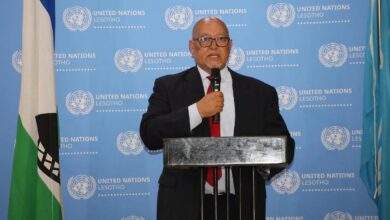

The Government of Lesotho has assured the public that the long-standing waste problem at Ha Ts’osane will finally be addressed before the end of the year. The announcement was made by the Minister of Local Government, Mr. Nkhethoa Seetsa, during the ongoing National Accountability Dialogue and Summit taking place in Maseru. The event, which is being streamed live on state media, has provided citizens with an opportunity to question government leaders directly on issues affecting their communities. The commitment to remove the waste comes after months of growing public frustration and repeated calls for government intervention. Residents have raised concerns about the environmental, health and social impact of the waste, making the issue one of the most pressing topics discussed during the dialogue.
During his address, Minister Seetsa openly acknowledged the concerns of the Ha Ts’osane community and offered a public apology for the delays in resolving the matter. He explained that the government had experienced several challenges in its efforts to remove the waste, although he did not provide detailed information about the specific obstacles involved. Despite the setbacks, the minister expressed confidence that the cleanup project would be completed before the end of the current year. He made it clear that while he could not guarantee the work would begin within the next month, he remained certain that the waste would be removed before the year ends. His remarks were intended to reassure residents that the government has not abandoned the issue and remains committed to finding a lasting solution.
The Ha Ts’osane waste problem has attracted significant public attention because of its impact on nearby communities. Accumulated waste poses serious environmental concerns, including unpleasant odors, pollution and the potential spread of diseases. Residents living near the affected area have repeatedly voiced fears about the health risks associated with prolonged exposure to unmanaged waste. Many have also questioned why it has taken so long for authorities to address the situation despite numerous complaints. The government’s latest commitment represents an important step toward rebuilding public confidence and demonstrating accountability to the affected communities.
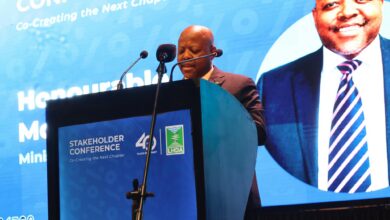
The National Accountability Dialogue and Summit has served as an important platform for citizens to engage directly with government ministers on a wide range of service delivery issues. Beyond the Ha Ts’osane waste problem, members of the public raised concerns regarding access to clean drinking water in several parts of the country. The Minister of Natural Resources, Mr. Mohlomi Moleko, responded to questions regarding the Thuathe and Rothe areas by assuring residents that they would gain access to clean water before the end of this year. Access to safe and reliable water remains one of the government’s key development priorities because it directly affects public health, economic growth and the quality of life in local communities. The minister’s assurance provided hope to residents who have waited for improved water infrastructure.
Water shortages and limited access to clean water have long presented challenges for many communities across Lesotho. Reliable water supply supports households, schools, healthcare facilities and businesses while also contributing to agricultural development. Citizens attending the summit emphasized the importance of timely implementation of government projects to ensure communities receive essential services without unnecessary delays. The commitment from the Ministry of Natural Resources reflects the government’s intention to improve service delivery and respond to concerns raised by the public. Many residents will now be watching closely to see whether the promised water projects are completed within the stated timeframe.
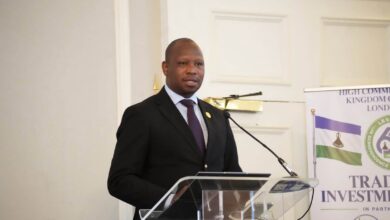
Infrastructure maintenance also featured prominently during the public discussions. Members of the public expressed confusion about which government ministry is responsible for repairing different categories of roads. Questions focused on the relationship between the Ministry of Public Works and the Ministry of Local Government, particularly regarding road maintenance responsibilities. Responding to these concerns, Minister of Public Works Mr. Matjato Moteane clarified that all roads measuring more than 30 kilometers fall under the responsibility of the Ministry of Public Works. His explanation aimed to help citizens better understand how responsibilities are divided between the two ministries and reduce uncertainty when reporting infrastructure problems.
Road safety concerns were also highlighted by residents from the Lithabaneng community near Lefikeng. Community members raised concerns about the high number of road accidents occurring in the area due to the absence of speed humps. They appealed to government authorities to prioritize the installation of traffic calming measures to improve safety for motorists and pedestrians. Speed humps are widely recognized as effective tools for reducing vehicle speeds in residential and high-risk areas. Addressing these concerns could help prevent future accidents and improve overall road safety within the affected community.
Agricultural development formed another important part of the public discussions during the summit. Citizens called on the Ministry of Agriculture to develop a clear strategy that promotes greater youth participation in the agricultural sector. Many participants argued that young people should be given more opportunities to engage in farming, agribusiness and related industries as part of broader efforts to transform the national economy. Increased youth involvement in agriculture could contribute to job creation, food security and economic diversification while helping reduce unemployment. Participants emphasized that meaningful inclusion of young people is essential if agriculture is to remain sustainable and continue contributing to national development.
The ongoing National Accountability Dialogue and Summit continues to demonstrate the importance of open communication between government leaders and the public. By allowing citizens to raise concerns directly with ministers, the forum promotes transparency, accountability and stronger public participation in governance. The government’s commitments regarding waste removal, clean water access, road maintenance clarification and youth inclusion in agriculture have provided communities with clear expectations for the months ahead. Delivering on these promises will be essential in strengthening public trust and improving service delivery across Lesotho. As deliberations continue, citizens will be looking for tangible progress that reflects the commitments made during this important national dialogue.
Join 'Lesotho News' WhatsApp Channel
Get breaking Lesotho news — delivered directly to your WhatsApp.
CLICK HERE TO JOIN