Improving Climate Resilience in Lesotho: Field Visit to Thaba-Chitja Highlights Community Progress Under the IAVoC Project

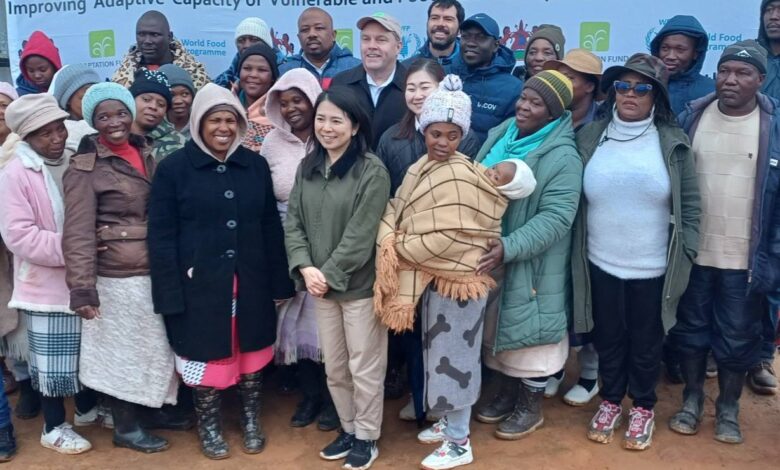
The Ministry of Environment and Forestry, working together with the Adaptation Fund, recently conducted a field visit to Thaba-Chitja village in the Makoabating area of Mafeteng. The visit focused on assessing progress made under the Improving Adaptive Capacity of Vulnerable and Food Insecure Population in Lesotho project, commonly known as IAVoC. This initiative targets communities that face high levels of climate vulnerability and food insecurity. The delegation aimed to see how project support is being used at ground level and how it is changing daily life. The visit also allowed direct engagement with residents to better understand their experiences and challenges. Thaba-Chitja was selected as a key site because of its active participation in climate adaptation activities supported by the project.
During the visit, community members presented a range of agricultural activities that are now well established in the area. Villagers showcased crops currently under cultivation, demonstrating improved farming practices and better use of available land. Livestock production, especially sheep farming, was also highlighted as an important part of household livelihoods. These initiatives have helped families improve their food security while also creating more stable sources of income. The delegation noted that the integration of crop farming and livestock rearing has strengthened resilience against climate shocks such as drought. Residents explained that the support received through the project has encouraged them to diversify production and reduce dependence on single income sources.
Another important aspect of the visit was the observation of small-scale manufacturing activities supported by the project. Community members demonstrated products created using sewing machines that were provided through the IAVoC initiative. Women beneficiaries in particular shared how access to these tools has improved their technical skills and boosted their confidence. They explained that sewing has become a reliable source of income that helps support their families and meet basic needs. This development has also contributed to greater participation of women in local economic activities. The delegation acknowledged that such interventions are not only improving livelihoods but also strengthening social inclusion within the community.
Lesotho continues to benefit from climate adaptation funding as one of the 110 countries supported by the Adaptation Fund. The progress seen in Thaba-Chitja reflects how targeted investments can create meaningful change in vulnerable communities. Improved agricultural output, diversified income sources, and skills development all point to stronger resilience at household level. The project demonstrates that practical support, when aligned with community needs, can deliver sustainable results. Thaba-Chitja now stands as a clear example of how climate adaptation efforts can transform rural livelihoods when communities are actively involved. The continued success of initiatives like IAVoC will play a key role in building long term resilience and supporting sustainable development across Lesotho.
Join 'Lesotho News' WhatsApp Channel
Get breaking Lesotho news — delivered directly to your WhatsApp.
CLICK HERE TO JOIN