King Letsie III Champions Nutrition and Climate-Smart Agriculture to Strengthen Lesotho’s Food Security

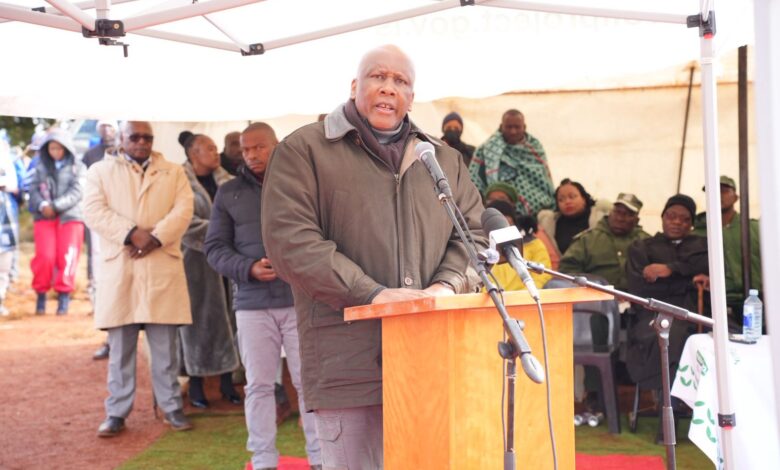
His Majesty King Letsie III has renewed his national call for proper nutrition from pregnancy through early childhood development, stressing that strong communities begin with healthy children and sustainable food systems. The King urged families and communities across Lesotho to grow their own food as a practical way to improve health, reduce illness and build long-term resilience. He made these remarks during an exhibition event held at Ha Patala and Bokoro primary schools in Khukhune, where he visited climate-smart gardens developed by nutrition clubs and learners. The event showcased how schools and communities are working together to improve food production using environmentally sustainable methods. His message focused on nutrition as a shared responsibility that directly shapes the future of the nation.
During his visit, King Letsie III toured gardens that demonstrated climate-smart agricultural practices designed to improve yields while conserving natural resources. He highlighted that children who consume nutritious food are less likely to frequently visit health facilities due to illness, linking diet directly to public health outcomes. The King expressed pride in seeing school children, teachers and communities actively participating in food production initiatives. He noted that such efforts align with his role as Champion of Nutrition for the African Union and the Food and Agriculture Organisation, where he advocates for improved nutrition policies across the continent. His remarks reinforced the idea that sustainable agriculture and good nutrition are essential foundations for national development.
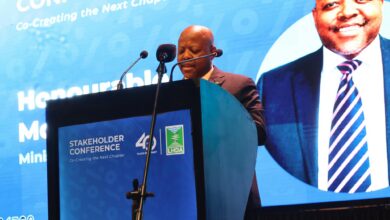
Minister of Agriculture, Food Security and Nutrition Mr. Selibe Mochoboroane reported that nutrition-related visits and interventions have now been conducted in nine districts across Lesotho. He emphasized that strengthening agriculture must include a focus on producing local seeds and seedlings to reduce dependence on external supply chains. The Minister also praised nutrition clubs for their role in supporting children during monthly clinic visits and assisting elderly members within communities. He shared examples of how community-driven nutrition clubs have made a real difference, including cases where collective action helped save the life of a child suffering from malnutrition. These efforts demonstrate how grassroots initiatives can directly improve health outcomes when communities work together.
Mr. Mochoboroane also highlighted ongoing challenges, noting that districts such as Botha-Bothe continue to face high levels of malnutrition, stunting and tuberculosis. He stressed that addressing these issues requires sustained investment in agriculture, nutrition education and community-based support systems. Nutrition clubs were recognised as a vital part of this response, especially because they include Village Health Workers who help bridge the gap between health services and rural households. The Minister encouraged continued collaboration between government and communities to ensure that nutrition interventions remain effective and accessible. His remarks reinforced the importance of integrating health and agriculture policies to achieve long-term food security.
Speaking on behalf of the Principal Chief, Chief Mamanamolela Mopeli reflected on the historical importance of agriculture in Lesotho, noting that it once formed the backbone of the national economy. She expressed concern that the country has become heavily reliant on food donations from other nations, which limits self-sufficiency. She emphasized the need to create stronger markets for farmers to encourage increased production and stimulate local economic growth. According to her, improved market access would allow Lesotho not only to meet its own food needs but also to export surplus produce. Her message focused on restoring agriculture as a key driver of economic independence and rural development.
Member of Parliament for Hololo Constituency and Minister of Energy Mr. Lejone Mpotjoane praised the fertile soils of Khukhune, noting that the area has demonstrated strong agricultural potential through the success of nutrition clubs in the Tsime area. He highlighted that these clubs have consistently performed well in agricultural competitions since 2024, showing the impact of community-driven food production. He also referenced the King’s international advocacy, where His Majesty has emphasized that good nutrition should be viewed as an investment rather than an expense. He stressed that a stunted child represents a stunted future, linking nutrition directly to national leadership and development outcomes. His remarks reinforced the importance of investing in children’s health as a foundation for future progress.
Mr. Mpotjoane further encouraged the expansion of agricultural competitions among nutrition clubs, suggesting that they could eventually reach national and international levels. He noted that such initiatives motivate communities to improve productivity and strengthen local food systems. He also called for the establishment of market aggregation centres in different districts to help farmers connect more easily with buyers. These centres would improve efficiency, reduce transport challenges and strengthen rural economies. His proposal aimed to support farmers beyond production by improving access to sustainable markets.
The event was also attended by the Minister of Local Government and Chieftainship Affairs along with other dignitaries, reflecting the importance of coordinated national efforts in addressing nutrition and agricultural development. The presence of multiple government leaders highlighted the cross-sectoral nature of food security challenges in Lesotho. The exhibition at Ha Patala and Bokoro primary schools demonstrated how education, agriculture and health can work together to improve community wellbeing. It also showed how young learners are being actively involved in sustainable farming practices from an early age. The collaboration between schools, government and communities reflected a growing national commitment to food security.
King Letsie III’s engagement in Khukhune reinforced the critical link between nutrition, agriculture and national development in Lesotho. His call for communities to grow their own food and prioritise healthy diets highlights a long-term strategy aimed at reducing illness and strengthening future generations. The contributions from government leaders, traditional authorities and community groups showed a unified approach to tackling malnutrition and improving food systems. Climate-smart agriculture and nutrition clubs are emerging as key tools in this transformation. With continued collaboration and investment, Lesotho is positioning itself to build stronger food security, healthier communities and a more resilient future.
Join 'Lesotho News' WhatsApp Channel
Get breaking Lesotho news — delivered directly to your WhatsApp.
CLICK HERE TO JOIN