Lesotho Prime Minister Ntsokoane Matekane Participates in 2026 National Census Exercise

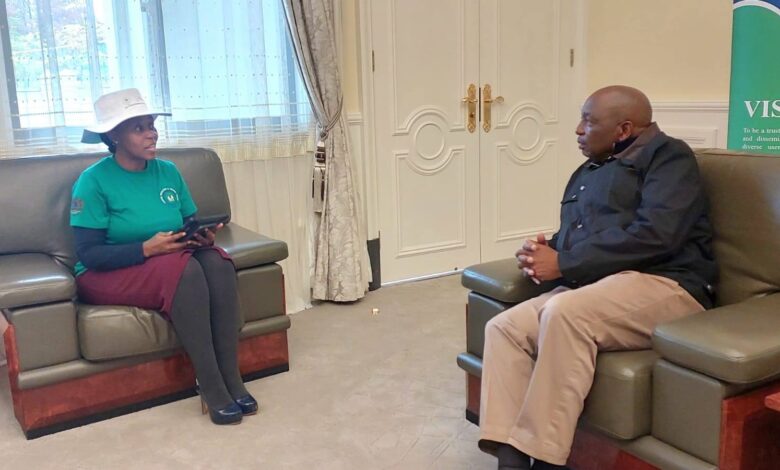
Prime Minister Ntsokoane Matekane yesterday took part in the ongoing Lesotho Population and Housing Census 2026 during an official engagement conducted by the Bureau of Statistics at his residence. His participation drew national attention to the importance of accurate data collection and public cooperation in the census process. The exercise forms part of a nationwide effort to gather updated demographic, social and economic information that will guide development planning across the country. By personally participating in the census, the Prime Minister sent a clear message about the value of accountability and civic responsibility. The move also encouraged citizens across Lesotho to open their homes to enumerators and provide truthful information that can support national progress.
The Population and Housing Census is regarded as one of the most important national exercises because it provides government and institutions with reliable information about the country’s population. The collected data helps authorities understand changes in population size, employment levels, housing conditions, migration patterns and access to basic services such as water, electricity and healthcare. Governments rely on census findings when planning infrastructure projects, social development programs and public service delivery. Accurate census information also assists in determining where schools, hospitals, roads and housing projects are most needed. In many countries, census data influences economic policies and investment strategies for years after the exercise is completed.
During the engagement at his residence, Prime Minister Matekane reportedly cooperated fully with officials from the Bureau of Statistics and emphasized the need for every citizen to participate in the process. His involvement demonstrated leadership by example at a time when authorities are working to ensure maximum public participation across urban and rural communities. Many governments struggle with incomplete census data because some citizens avoid participation due to privacy concerns or misinformation. By publicly taking part in the exercise, the Prime Minister helped build confidence in the process and reinforced the message that the information collected is intended for national development purposes. His participation also highlighted the professionalism and importance of the officials carrying out the nationwide operation.
The Bureau of Statistics has been leading the census exercise through trained enumerators who are visiting households throughout Lesotho to gather information. Officials have continued to educate communities about the importance of the census and the confidentiality of personal information shared during interviews. Public awareness campaigns have also been launched through radio, television and community outreach programs to encourage participation. Authorities believe that strong cooperation from citizens will improve the accuracy of the final results and strengthen future planning initiatives. The bureau has also stressed that reliable data is essential for attracting development support and improving government decision-making.
The 2026 census comes at a critical time for Lesotho as the country continues to address economic challenges, unemployment and the demand for improved public services. Reliable population figures can help policymakers better understand the needs of communities and allocate resources more effectively. Development experts often point out that outdated or inaccurate statistics make it difficult for governments to respond properly to social and economic problems. Census findings can also assist international development partners in identifying priority areas for funding and support. In this regard, the success of the census exercise carries long-term significance for national growth and policy planning.
Many Basotho citizens have welcomed the Prime Minister’s decision to participate publicly in the census exercise because it demonstrates national unity and shared responsibility. Leaders who actively engage in national programs often help strengthen public trust and increase citizen participation. The visibility of the Prime Minister during the exercise may also encourage people living in remote areas to cooperate fully with census officials. Public participation remains one of the key factors that determine whether a census exercise produces reliable and useful results. Strong cooperation between citizens and government institutions can help ensure that the final national statistics accurately reflect the realities facing communities across the country.
The participation of Prime Minister Ntsokoane Matekane in the Lesotho Population and Housing Census 2026 has added momentum to the nationwide exercise and reinforced the importance of national data collection. His involvement highlighted the role that leadership can play in encouraging civic participation and supporting national development initiatives. The census is expected to provide critical information that will shape policy decisions, development planning and service delivery in the years ahead. As enumerators continue their work across the country, authorities remain hopeful that citizens will respond positively and contribute accurate information. A successful census has the potential to strengthen Lesotho’s future planning efforts and support more informed decisions that benefit communities nationwide.
Join 'Lesotho News' WhatsApp Channel
Get breaking Lesotho news — delivered directly to your WhatsApp.
CLICK HERE TO JOIN