African Union Launches Guiding Note to Strengthen Protection of Children With Albinism in Maseru

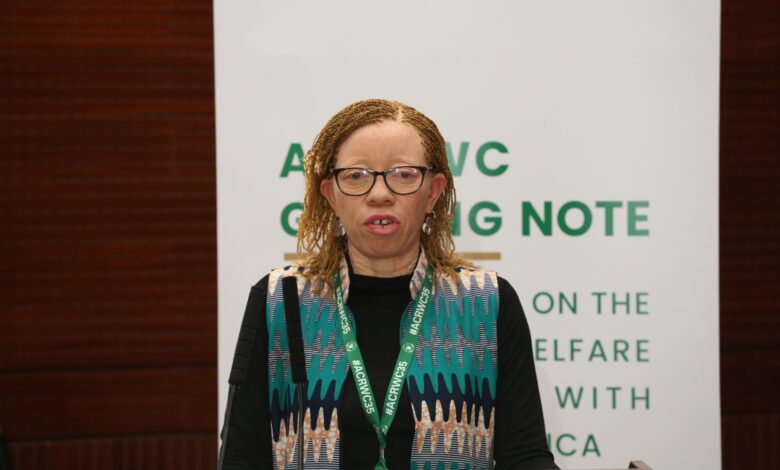
The 47th Ordinary Session of the African Committee of Experts on the Rights and Welfare of the Child has taken a major step forward in strengthening child protection systems across the continent with the launch of a new Guiding Note on Reporting on the Rights of Children with Albinism in Africa. The session, currently taking place in Maseru, focuses on improving how African Union Member States monitor, report and respond to the challenges faced by children with albinism. The new Guiding Note is designed to improve accountability and ensure that the rights of these children are properly protected in law and in practice. It responds to long-standing concerns about discrimination, violence and exclusion affecting children with albinism in several African countries. The initiative marks a coordinated effort to close protection gaps and improve state reporting standards.
The Guiding Note aims to assist Member States in building stronger systems for monitoring the situation of children with albinism. It provides structured guidance on how governments can collect, analyse and report relevant data in a consistent manner. It also focuses on helping states identify weaknesses in existing protection frameworks and take corrective action where necessary. The document encourages a shift from general reporting to more detailed, evidence-based assessments of child rights compliance. This approach is intended to improve the quality of reporting under the African Charter on the Rights and Welfare of the Child.
A key feature of the Guiding Note is its focus on systemic discrimination and the barriers that children with albinism continue to face in daily life. These barriers include limited access to education, healthcare challenges and exposure to social stigma. The document highlights the need for stronger legal protections and improved enforcement of existing rights. It also stresses the importance of addressing harmful beliefs and misinformation that continue to fuel discrimination and violence. By focusing on root causes, the Guiding Note aims to support long-term change rather than short-term responses.
The Guiding Note introduces a set of key indicators that Member States are expected to use when reporting on the rights of children with albinism. These indicators include whether national laws explicitly prohibit discrimination based on albinism and whether albinism is recognised as a disability within legal frameworks. It also requires data on incidents of hate speech, bullying and physical attacks, broken down by age, sex and region. This level of detail is intended to help governments better understand patterns of abuse and target interventions more effectively. The indicators also include the existence of national awareness campaigns aimed at addressing harmful myths and misconceptions about albinism.
Another important component of the reporting framework is the requirement for mechanisms that allow victims to report violations and seek redress. These complaint systems are critical for ensuring that cases of discrimination and violence are properly addressed. The Guiding Note emphasises that reporting mechanisms must be accessible, functional and trusted by affected communities. It also encourages Member States to ensure that children and their families are aware of their rights and the available channels for support. Strengthening these systems is seen as a key step in improving protection outcomes across the continent.
The launch of the Guiding Note at the ACERWC session in Maseru reflects a broader commitment by the African Union to strengthen child rights monitoring systems. It brings renewed attention to the specific vulnerabilities faced by children with albinism and the need for targeted policy responses. By standardising reporting requirements, the Guiding Note aims to improve comparability of data across countries and support regional cooperation. It also encourages governments to move beyond general commitments and demonstrate measurable progress in protecting children. This approach is expected to improve accountability at both national and continental levels.
The adoption of this Guiding Note represents an important milestone in advancing the rights of children with albinism in Africa. It provides Member States with practical tools to identify gaps, strengthen legal frameworks and improve service delivery. It also reinforces the principle that every child has the right to safety, dignity and equal opportunity regardless of physical condition. As implementation begins, the focus will shift to how effectively governments integrate these indicators into their national reporting systems. The outcome of this initiative will play a key role in shaping future child protection policies across the African continent.
Join 'Lesotho News' WhatsApp Channel
Get breaking Lesotho news — delivered directly to your WhatsApp.
CLICK HERE TO JOIN