Lesotho Highlands Water Project and Senqu Bridge Strengthen Water Security and Regional Cooperation Between Lesotho and South Africa

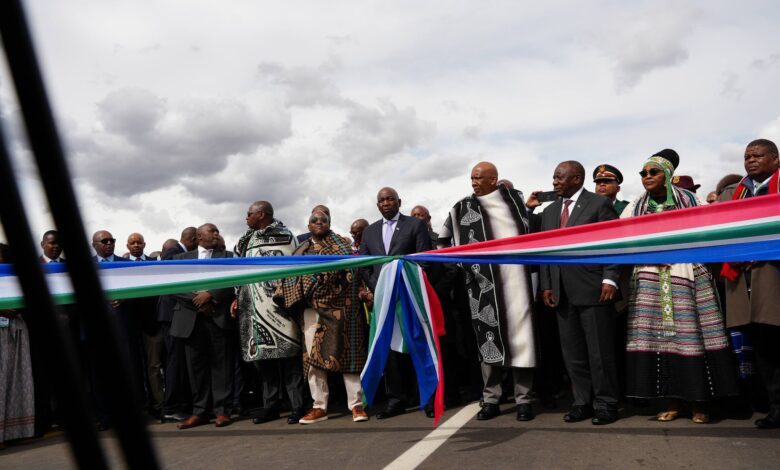
Lesotho continues to position itself as a key partner in strengthening South Africa’s water security while also advancing its own economic development and energy goals through major infrastructure collaboration. This cooperation is most visible through the Lesotho Highlands Water Project, which has linked the two countries for decades through shared water resources and development projects. The official opening of the Senqu Bridge in Mokhotlong marked another major milestone in this partnership. The event highlighted how infrastructure can support both national growth and regional stability. It also reinforced the importance of long-term cooperation between the two nations.
King Letsie III delivered a keynote address at the opening ceremony and described the bridge as a major achievement under the Lesotho Highlands Water Project Phase II. He said the project reflects what can be achieved when technical expertise, commitment and national purpose come together. The King noted that the Senqu Bridge represents more than physical construction, as it connects communities and strengthens cooperation between Lesotho and South Africa. He also emphasized that the project shows progress built on shared vision and responsibility. According to him, such developments demonstrate how infrastructure can become a foundation for opportunity and regional integration.
The Senqu Bridge stands as the largest extradosed bridge of its kind in Lesotho and is also the longest bridge in the country at 825 metres. Its highest pier reaches 90 metres, making it a major engineering achievement in a mountainous environment. Construction began in 2022 and was completed earlier this year under challenging conditions. The project was awarded a contract worth about M2 billion to the WRES joint venture, which included companies from Lesotho, South Africa and other international partners. The bridge was carefully designed to withstand harsh mountain weather while ensuring long-term durability and safety for users.
South African President Cyril Ramaphosa used the occasion to highlight the importance of water flowing from Lesotho to South Africa, describing his country as water scarce and highly dependent on shared resources. He expressed gratitude to the Basotho nation for their continued cooperation in ensuring water supply that supports South Africa’s development needs. He also noted that the Lesotho Highlands Water Project is one of the most ambitious transboundary water initiatives in the world. The project has not only improved water access but also created significant economic opportunities, including around 1,200 jobs during the construction of the bridge, most of which benefited Basotho workers. Ramaphosa also announced a M30 million humanitarian support package to assist Lesotho in strengthening its response to HIV and TB.
The Lesotho Highlands Water Project Phase II, under which the Senqu Bridge was built, remains central to both countries’ development strategies. The project supports water transfer to South Africa while generating hydroelectric and infrastructure benefits for Lesotho. The Polihali Reservoir, which forms part of the wider system, is expected to improve connectivity and ensure continued access to essential services for nearby communities. King Letsie III emphasized that treaty obligations must always protect the dignity and livelihoods of affected communities. He stressed that resettlement and environmental protection are not optional, but essential responsibilities that must be fully implemented with fairness and care.
As 2026 marks 40 years since the establishment of the Lesotho Highlands Water Project, leaders from both countries reflected on its long-term legacy and future direction. King Letsie III raised the question of whether current efforts are strong enough to sustain the next 40 years of development with greater accountability and national benefit. He called for stronger discipline and integrity in managing the project moving forward. President Ramaphosa echoed the importance of continued cooperation, stating that the partnership has become a model for international infrastructure collaboration. Both leaders agreed that the success of the project depends on balancing development with social and environmental responsibility.
The opening of the Senqu Bridge in Mokhotlong represents more than a construction achievement, it reflects a shared commitment between Lesotho and South Africa to build infrastructure that serves both nations. It strengthens transport links, supports economic activity in remote districts and improves access for communities around the Polihali reservoir. The project demonstrates how joint investment can deliver long-term benefits when guided by cooperation and mutual respect. It also shows that large-scale infrastructure can create jobs, improve connectivity and support regional growth. As both countries look ahead, the Lesotho Highlands Water Project remains a cornerstone of their shared development and water security future.
Join 'Lesotho News' WhatsApp Channel
Get breaking Lesotho news — delivered directly to your WhatsApp.
CLICK HERE TO JOIN