Lesotho Highlands Water Project Drives Community Growth Through Agriculture and Infrastructure Development

The Lesotho Highlands Water Project continues to stand out as one of Southern Africa’s most impactful cross-border infrastructure initiatives, delivering both water security and economic opportunities to surrounding communities. While the project is widely known for its engineering scale and water transfer systems, its role in supporting sustainable livelihoods has gained increasing attention in recent years. Communities located near project sites are now benefiting from targeted development programmes that focus on agriculture and small-scale enterprise. These initiatives aim to create long-term income streams while strengthening food security in rural areas. As a result, the project has evolved into more than just an infrastructure venture, becoming a catalyst for inclusive growth and community resilience.
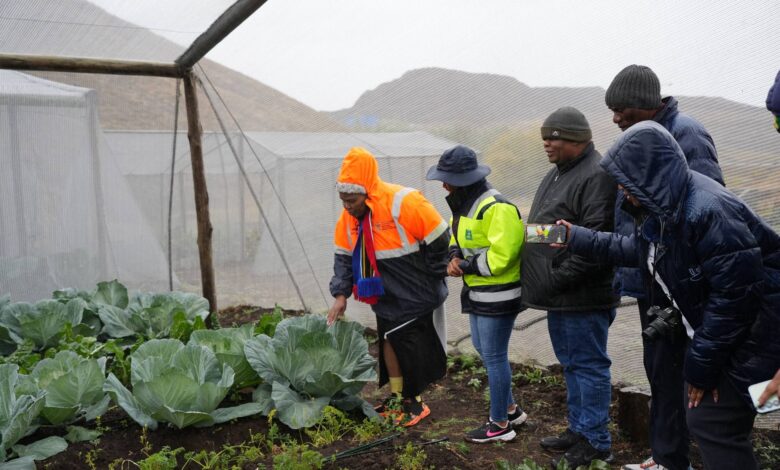
A key area of impact lies in agricultural development, where local communities are actively engaged in livestock rearing and crop production. Farmers are receiving support to raise sheep, poultry and pigs, which provides both food and a reliable source of income. These livestock projects are structured to ensure sustainability, with training programmes that equip farmers with practical skills in animal care, breeding and business management. In addition to livestock, crop farming has expanded, with cabbage and other vegetables being cultivated to supply local markets. This combination of livestock and crop production helps diversify income sources and reduces dependence on a single form of livelihood. Over time, these efforts are expected to strengthen rural economies and improve overall living standards.
The involvement of government leadership has played a crucial role in highlighting the importance of these community-driven initiatives. The Minister of Water and Sanitation of South Africa, Honourable Pemmy Majodina, recently visited several project sites to assess progress and engage with local beneficiaries. Her visit provided an opportunity to observe firsthand how agricultural programmes are transforming lives in the region. It also reinforced the commitment of both South Africa and Lesotho to ensure that infrastructure projects deliver tangible benefits beyond their primary objectives. By interacting directly with farmers and community members, the minister was able to gather insights that can inform future development strategies. This level of oversight helps ensure accountability and continuous improvement in project implementation.
The timing of the minister’s visit aligns with preparations for a significant milestone under Phase II of the Lesotho Highlands Water Project. The upcoming official opening of the Senqu Bridge represents a major advancement in regional connectivity and infrastructure development. This ceremony is expected to be officiated by His Majesty Letsie III and South African President Cyril Ramaphosa, reflecting the high level of cooperation between the two nations. The bridge is not only a physical link but also a symbol of progress and shared commitment to economic development. Improved access and transportation routes are likely to enhance trade and mobility for local communities, further supporting agricultural and business activities. Infrastructure of this scale often creates ripple effects that extend well beyond its immediate function.
Beyond agriculture and infrastructure, the project is contributing to skills development and community empowerment. Training programmes associated with farming initiatives help individuals build practical expertise that can be applied independently. This approach ensures that benefits continue even after initial project support phases are completed. Local participation is also encouraged, which strengthens a sense of ownership and responsibility within communities. By involving residents directly in economic activities, the project helps reduce unemployment and creates pathways for self-sufficiency. These outcomes are essential for building resilient communities that can adapt to changing economic conditions.
The broader economic impact of these initiatives is becoming increasingly evident as local markets begin to grow. Increased agricultural production leads to more goods being available for sale, which stimulates trade within and beyond the project area. Small businesses emerge to support farming activities, including suppliers of feed, equipment and transport services. This creates a network of economic activity that benefits multiple sectors within the community. Over time, such growth can contribute to regional development and reduce disparities between urban and rural areas. The integration of infrastructure and livelihood programmes demonstrates a comprehensive approach to development.
The Lesotho Highlands Water Project continues to demonstrate how large-scale infrastructure can deliver meaningful social and economic benefits when combined with targeted community programmes. Agricultural initiatives in livestock and crop production are providing practical solutions to unemployment and food insecurity. Government engagement and cross-border collaboration further strengthen the project’s impact and sustainability. The upcoming opening of the Senqu Bridge marks another important step in this ongoing journey, reinforcing the link between infrastructure and community development. As these efforts expand, the project is set to play an even greater role in shaping a more inclusive and prosperous future for the region.
Join 'Lesotho News' WhatsApp Channel
Get breaking Lesotho news — delivered directly to your WhatsApp.
CLICK HERE TO JOIN