Lesotho Strengthens Digital Governance and Cybersecurity Frameworks for a Secure Digital Future

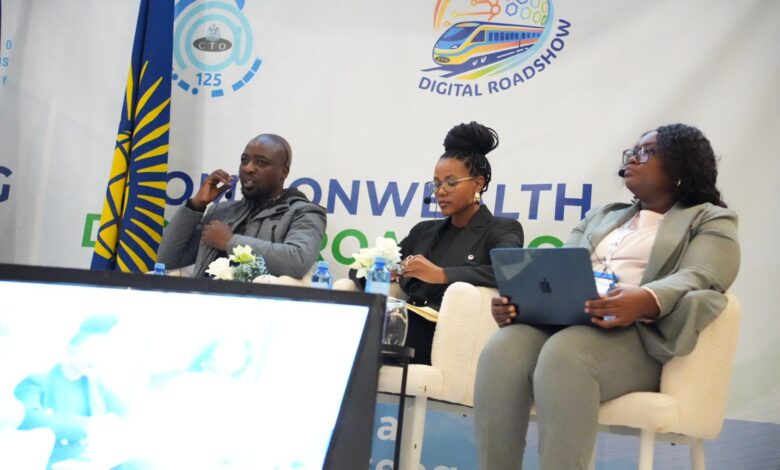
Lesotho is making steady progress in building a strong legal and regulatory foundation to support its growing digital economy and ensure safe participation in the global technology space. The country is focusing on creating systems that protect citizens, support innovation, and improve trust in digital services. Speaking at the Commonwealth Digital Roadshow during a panel discussion on Ethics in the Age of Emerging Technologies, the Chief Legal Officer in the Ministry of Information, Communications, Science, Technology and Innovation, Makamohelo Mofilikoane, highlighted the importance of aligning law, governance, and technology. Her remarks reflect a national commitment to ensuring that digital transformation is both inclusive and secure. As more services move online, the need for clear and enforceable rules becomes increasingly critical for public confidence and economic growth.
A central part of Lesotho’s progress lies in the development of key regulatory frameworks designed to protect personal information and strengthen digital trust. The Data Protection Act stands out as a major milestone, providing a structured legal approach to safeguarding personal data across digital platforms. This law helps define how data should be collected, stored, and used, ensuring that individuals retain control over their personal information. It also sets standards for institutions and businesses that operate in the digital environment, encouraging responsible data management practices. By establishing these protections, Lesotho is positioning itself to meet global expectations for privacy and security in the digital age.
Despite these advancements, Makamohelo Mofilikoane stressed that legal frameworks alone are not enough without effective implementation and enforcement. She highlighted the importance of strengthening institutional capacity to ensure that existing laws deliver real-world impact. This includes improving regulatory oversight, building technical expertise, and ensuring that relevant authorities are equipped to respond to emerging challenges. As digital technologies evolve at a rapid pace, outdated enforcement mechanisms can weaken the effectiveness of even well-designed legislation. Continuous review and adaptation are therefore essential to maintain a strong governance system that keeps up with technological change. This approach ensures that laws remain practical and relevant rather than theoretical.
Cybersecurity has also emerged as a key priority in Lesotho’s digital transformation agenda. The increasing reliance on digital platforms for communication, finance, and public services has created new vulnerabilities that must be addressed proactively. To respond to these challenges, plans are underway to establish a National Cybersecurity Forum that will serve as a coordination and collaboration platform. This forum is expected to bring together government institutions, private sector stakeholders, and technical experts to share information and best practices. By improving coordination, the country aims to strengthen its ability to detect, prevent, and respond to cyber threats in a timely manner.
The proposed National Cybersecurity Forum is designed to enhance national preparedness and resilience in the face of growing cyber risks. It will support the development of early warning systems and promote information sharing between key stakeholders. This collaborative approach is intended to reduce response times and improve the overall security of digital infrastructure. It also reflects an understanding that cybersecurity is not only a technical issue but also a governance and policy concern that requires multi-sector cooperation. Through this initiative, Lesotho aims to build a more coordinated and proactive defence against cyber threats that could disrupt critical systems and services.
Lesotho’s broader digital governance strategy highlights the importance of ethical considerations in the development and use of emerging technologies. As artificial intelligence, data analytics, and other advanced systems become more widely used, questions around fairness, accountability, and transparency are becoming more important. Makamohelo Mofilikoane’s participation in the Commonwealth Digital Roadshow underscores the country’s commitment to engaging in global conversations on these issues. By doing so, Lesotho is positioning itself to adopt international best practices while tailoring solutions to its local context. This balance is essential for ensuring that technological progress does not come at the expense of ethical responsibility.
The country’s efforts also reflect a growing recognition that digital transformation must be inclusive and beneficial to all citizens. Strong governance frameworks help ensure that no one is left behind as services become increasingly digital. They also support economic development by creating a stable environment for investment and innovation. Businesses are more likely to invest in digital services when they are confident that data is protected and regulations are clear. In this way, legal and regulatory progress becomes a key driver of broader economic growth and social development.
Lesotho’s continued focus on strengthening digital governance, cybersecurity, and legal frameworks demonstrates a forward-looking approach to national development. Through initiatives like the Data Protection Act and the planned National Cybersecurity Forum, the country is building the foundations of a secure and trusted digital ecosystem. While challenges remain in implementation and enforcement, ongoing reforms show a clear commitment to improvement and adaptation. As digital technologies continue to evolve, Lesotho’s emphasis on ethics, collaboration, and resilience will play a crucial role in shaping a safe and inclusive digital future for its people.
Join 'Lesotho News' WhatsApp Channel
Get breaking Lesotho news — delivered directly to your WhatsApp.
CLICK HERE TO JOIN