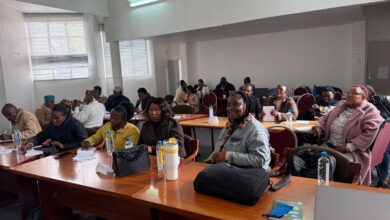
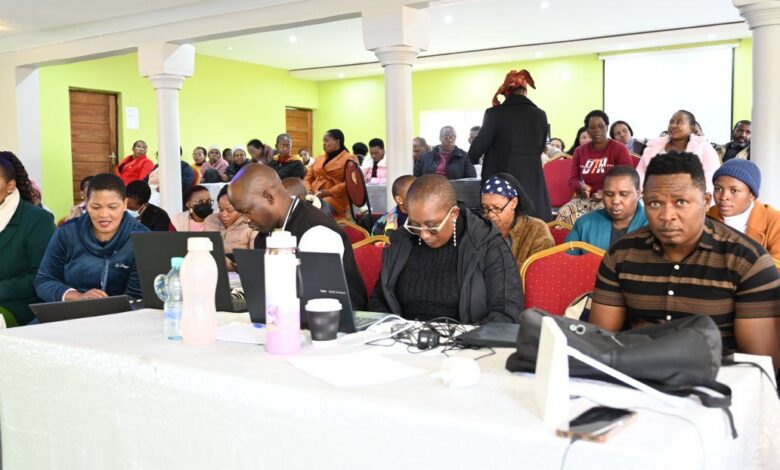
The Ministry of Education and Training continues to focus on improving the quality of early grade education through targeted teacher development programs. One recent effort involved a weeklong workshop led by the National Curriculum Development Centre for teachers in Thaba-Tseka. This initiative focused on Foundational Literacy, Numeracy and Life Skills, often referred to as FLN, which form the core of a child’s early learning experience. The workshop brought together educators who play a direct role in shaping young learners during their most critical development stage. By investing in teacher skills, the ministry aims to build a stronger education system that delivers measurable outcomes. This effort reflects a clear commitment to ensuring that children gain essential competencies at the right age.
The workshop focused on practical teaching methods that teachers can apply in real classroom settings. Trainers guided participants through strategies that improve reading comprehension, writing skills and basic mathematics understanding. Teachers engaged in hands-on activities that demonstrated how to simplify complex concepts for young learners. For example, numeracy sessions showed how to use everyday objects to teach counting and problem solving. Literacy sessions emphasized phonics, vocabulary building and sentence construction. Life skills training included lessons on communication, emotional awareness and social interaction. These combined approaches help teachers deliver balanced education that goes beyond textbooks.
Participants also explored ways to assess learner progress more effectively. The workshop introduced simple tools that help teachers track improvements in reading speed, comprehension and basic arithmetic. Teachers learned how to identify learners who need extra support and how to adjust lessons to meet different learning levels. Continuous assessment was highlighted as a key factor in improving outcomes. Instead of waiting for final exams, teachers were encouraged to monitor progress daily. This approach helps prevent learning gaps from widening over time. It also ensures that each child receives attention based on their individual needs.
Collaboration played a central role throughout the weeklong training. Teachers shared experiences from their own classrooms and discussed common challenges they face. Many participants highlighted issues such as limited resources, overcrowded classrooms and varying learner abilities. The workshop created space for practical solutions that can work within these constraints. Trainers encouraged peer learning, where teachers exchange ideas and support each other beyond the workshop. This network of collaboration can improve teaching quality across schools in the region. It also builds confidence among teachers who often work in demanding environments.
The focus on life skills added another important dimension to the training. Teachers learned how to integrate values such as respect, responsibility and teamwork into daily lessons. These skills are essential for learners to function well both in school and in their communities. The workshop showed how simple classroom activities can promote problem solving and critical thinking. Teachers were also guided on how to create a safe and supportive learning environment. This helps learners feel confident and willing to participate in class activities. When children feel secure, their ability to learn improves significantly.
The impact of the workshop extends beyond the classroom. Improved teaching methods can lead to better literacy and numeracy rates across the district. Strong foundational skills increase the likelihood that learners will succeed in higher grades. This reduces dropout rates and improves overall education outcomes. The ministry recognizes that early intervention is more effective than trying to fix gaps later. By focusing on early grades, the education system builds a solid base for future learning. This approach aligns with global best practices in education development.
The weeklong FLN workshop in Thaba-Tseka highlights a focused effort to strengthen the education system through teacher empowerment. It shows that meaningful change begins with equipping educators with the right tools and knowledge. Teachers who understand effective methods can transform learning experiences for young children. The emphasis on literacy, numeracy and life skills ensures that learners receive a well-rounded education. Continued investment in such programs will play a key role in improving education standards. This initiative sets a strong example of how targeted training can create lasting impact in schools and communities.
Join 'Lesotho News' WhatsApp Channel
Get breaking Lesotho news — delivered directly to your WhatsApp.
CLICK HERE TO JOIN