Lesotho Validates Textiles and Apparel Sector Strategy to Boost Industrial Growth and Global Competitiveness

Lesotho has taken an important step towards strengthening its textile and apparel industry following the validation of the Textiles and Apparel Sector Strategy by the Ministry of Trade, Industry and Business Development. The strategy aims to guide the growth, modernisation and long-term competitiveness of one of the country’s most important industries. It seeks to build on Lesotho’s established manufacturing base, skilled workforce and valuable wool and mohair resources to create new opportunities for industrial development. The initiative also reflects the government’s ambition to position Lesotho as a leading supplier of high-value garments and textile-related services in regional and international markets. By bringing together government institutions, industry representatives and development partners, the strategy provides a foundation for coordinated action to strengthen exports, support employment and promote sustainable economic growth.
The validation took place on Tuesday during a workshop that brought together government officials, industry stakeholders, development partners and representatives from across the textiles and apparel sector. Participants reviewed the proposed strategy, shared their experiences and provided recommendations to help ensure that the document reflects the industry’s needs and future ambitions. This consultation process is important because the textile and apparel industry involves a wide range of businesses, workers and institutions with different responsibilities and priorities. Their participation can help identify practical challenges, opportunities for investment and areas where additional support may be needed. The workshop marked a significant milestone in developing a shared direction for the sector and strengthening cooperation among the organisations responsible for its future development.
Speaking on behalf of the Ministry’s Principal Secretary, Mr Monaheng Monaheng highlighted Lesotho’s existing strengths in textile manufacturing and apparel production. These include a mature manufacturing base, a skilled workforce and internationally recognised wool and mohair resources. Together, these assets provide a foundation for expanding the country’s industrial capabilities and exploring higher-value opportunities within the textile and apparel value chain. However, maintaining competitiveness requires continued investment in technology, workforce development, management capacity and production efficiency. The strategy seeks to build on the country’s existing advantages while addressing the changes needed to support a more sophisticated and sustainable manufacturing industry.
A central ambition of the Textiles and Apparel Sector Strategy is to position Lesotho as a leading global supplier of high-value garments and services. This vision goes beyond increasing the volume of clothing produced in the country. It emphasises the importance of producing higher-value goods, improving operational standards and developing the capabilities needed to compete in demanding international markets. Modern technology can help manufacturers improve productivity, manage production processes and maintain consistent product quality. Skilled labour and effective middle management are also essential for coordinating factory operations, meeting customer requirements and responding to changes in market demand. By strengthening these areas, Lesotho can work towards a textile industry that competes through quality, reliability and specialised capabilities as well as production costs.
The strategy also highlights the potential of Lesotho’s indigenous wool and mohair resources. Wool and mohair are important natural fibres with applications in different textile and clothing products, including premium and luxury garments. Lesotho’s association with these fibres provides an opportunity to explore how local agricultural resources can contribute to higher-value manufacturing and product development. Linking raw materials more effectively with textile processing, design and garment production could create opportunities to retain more economic value within the country. Such development would require appropriate processing capabilities, quality standards, investment and access to buyers who value these materials. If these conditions are developed successfully, wool and mohair could play a greater role in differentiating Lesotho’s textile industry in regional and international markets.
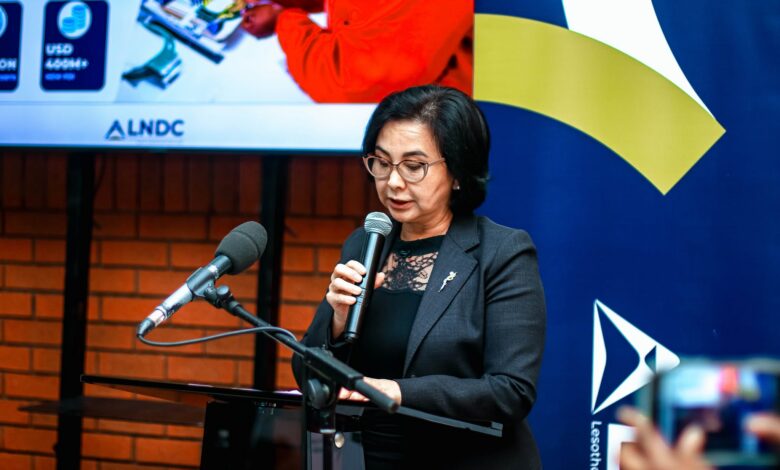
World Bank Group Country Representative Ms Dinara Djoldosheva congratulated the Government of Lesotho, the Ministry of Trade, Industry and Business Development, CAFI, the Lesotho National Development Corporation (LNDC), industry stakeholders and development partners for their contributions to the milestone. Her remarks underscored the importance of cooperation in developing a strategy that can support the sector’s future. The World Bank Group’s involvement reflects the role that development partners can play in helping countries strengthen industrial competitiveness and pursue economic transformation. Collaboration among public institutions, businesses and supporting organisations can help align priorities and identify opportunities for investment and technical assistance. The validation process therefore represents not only progress on a policy document but also an opportunity to strengthen the partnerships needed to put its objectives into practice.
Djoldosheva also emphasised that the textiles and apparel sector remains one of Lesotho’s most important industries because it creates employment, generates exports and supports thousands of Basotho families. These contributions make the sector important to both national economic performance and household livelihoods. Manufacturing jobs can provide regular income for workers and support spending in local communities. Textile and apparel exports can also generate foreign exchange and connect domestic businesses with international supply chains. At the same time, the sector’s performance depends on its ability to respond to changing customer expectations, production costs, trade conditions and competition from other manufacturing countries. A clear strategy can help industry stakeholders identify ways to strengthen resilience and protect the sector’s contribution to the economy.
Employment creation remains a key consideration in the future development of Lesotho’s textile and apparel industry. Manufacturing provides opportunities for workers with different levels of education and experience, while the wider value chain can support employment in logistics, maintenance, transport, packaging and business services. Improving productivity and moving into higher-value production may also create demand for specialised skills in quality assurance, production planning, technology and management. To benefit from these opportunities, businesses and training institutions need to understand the skills required by modern manufacturing operations. Investment in workforce development can help workers adapt to new technologies and changing production requirements. A stronger connection between industrial strategy and skills development could support better employment prospects while helping manufacturers improve their competitiveness.
Technology and management capacity will also influence the industry’s ability to grow. Modern manufacturing systems can help businesses monitor production, reduce waste, improve product consistency and respond more effectively to customer orders. However, technology delivers lasting benefits only when companies have workers and managers who know how to use it effectively. Strong middle management is particularly important because supervisors and production managers connect business objectives with daily factory operations. They help coordinate teams, monitor performance, address production problems and maintain workplace standards. Developing these capabilities could help Lesotho’s manufacturers improve efficiency and prepare for more complex orders from regional and international buyers.
The strategy’s focus on regional and international markets is equally important. Textile and apparel manufacturers operate in a competitive global environment where buyers consider price, quality, delivery times, production capacity and compliance with relevant standards. Lesotho’s established manufacturing experience offers a foundation for competing in these markets, but businesses must continue to adapt to changing conditions. Expanding into higher-value garments and services could create opportunities to serve customers seeking specialised products and dependable suppliers. Regional markets may also offer opportunities for businesses to develop new commercial relationships and diversify their customer base. A balanced approach to market development could help the industry reduce its exposure to individual markets while creating opportunities for sustainable export growth.
The Textiles and Apparel Sector Strategy was developed through a collaborative effort involving the World Bank Group, CAFI and LNDC. This partnership brought together development expertise and local industrial knowledge to help establish a roadmap for the sector’s transformation. LNDC plays an important role in promoting investment and industrial development in Lesotho, while cooperation with development partners can help support policy development and identify areas for further assistance. The involvement of industry stakeholders is also essential because manufacturers and related businesses understand the practical conditions that affect production, investment and market access. The strategy’s value will ultimately depend on how effectively its priorities are translated into actions, supported by the relevant institutions and adopted by businesses across the sector.
The validation of the strategy marks an important stage in Lesotho’s efforts to strengthen its manufacturing industry and broaden its economic opportunities. The next challenge will be to turn the proposed vision into practical measures that improve productivity, build skills, encourage investment and support access to higher-value markets. Progress will require coordination among government institutions, manufacturers, workers, training providers and development partners. It will also require attention to the long-term sustainability of production, the effective use of technology and the development of local resources such as wool and mohair. With consistent implementation and continued cooperation, the Textiles and Apparel Sector Strategy could help Lesotho strengthen its position in global manufacturing, expand export opportunities and support livelihoods across the country.
Join 'Lesotho News' WhatsApp Channel
Get breaking Lesotho news — delivered directly to your WhatsApp.
CLICK HERE TO JOIN