Lesotho’s Drive to Become a Producer and Exporter Gains Momentum Through Support for Local Businesses

The Government of Lesotho is intensifying efforts to transform the country’s economy from one that relies heavily on imported goods into one that produces and exports more products. This ambition is outlined in the National Strategic Development Plan 2, which seeks to move Lesotho from a “consumer country to become a producer and exporter country.” The goal places local production, enterprise development and employment creation at the centre of the country’s economic development agenda. Through targeted programmes, the government is supporting Basotho entrepreneurs as they establish businesses, expand production and improve their ability to access markets. These interventions are particularly important for strengthening local businesses, creating employment opportunities and reducing the amount of goods that Lesotho imports.
The Khoebe, Employment Generation and Enterprise Development department is playing an important role in supporting this economic transformation. Among its key activities is helping Basotho entrepreneurs increase existing production, establish new production activities and improve the income generated from their businesses. The department is also working to help entrepreneurs open doors to new markets by encouraging them to introduce different products that meet required quality standards. Access to markets remains a major challenge for many small businesses, especially those that have the capacity to produce but struggle to connect with customers and larger commercial opportunities. By providing support that addresses both production and market access, the department is helping entrepreneurs build businesses that can become more sustainable and competitive.
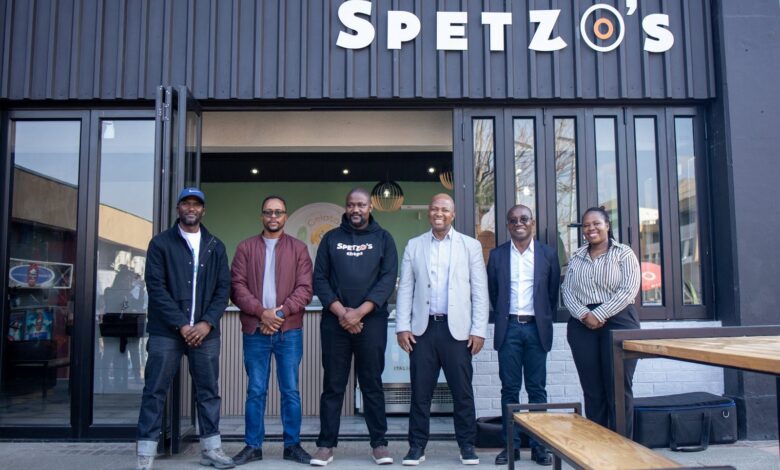
This commitment was demonstrated through a recent visit to three businesses in Maseru that received support from the department through the Competitiveness and Financial Inclusion, CAFI, Project. The visit was aimed at assessing how the businesses are performing after receiving assistance and determining the impact of the support on their operations. The businesses visited were SPETZOS PIZZA, ESTIGNA GARDENS, which operates in the paving brick sector, and ICONICS CHOTHING. Each business operates in a different area, demonstrating the potential for enterprise development across a range of sectors. Monitoring businesses after government support is also important because it allows officials to understand whether interventions are producing meaningful results and what additional assistance entrepreneurs may require as they grow.
The visit also provided an opportunity to see how the business owners have used the assistance they received and how they are approaching the challenge of building sustainable enterprises. The department expressed strong satisfaction with the way the owners have handled their businesses and their determination to expand their operations. Entrepreneurial commitment is an important factor in determining whether business support translates into long-term economic benefits. Financial or technical assistance can provide an important foundation, but business owners still need to manage their operations effectively, respond to customer needs and identify opportunities for growth. The positive assessment of these three businesses suggests that targeted support can help Basotho entrepreneurs strengthen their enterprises and contribute to the wider economic development objectives of Lesotho.
Supporting local production also has an important role to play in reducing the country’s dependence on imports. When Basotho businesses produce goods and services that can meet domestic demand, more money can circulate within the local economy. Increased local production can support employment, create opportunities for suppliers and generate income for entrepreneurs and their employees. It can also reduce the need for consumers and businesses to rely exclusively on products brought into the country from elsewhere. Encouraging consumers to support locally owned businesses is therefore part of a broader effort to create a stronger domestic production base and build an economy that can eventually compete in regional and international markets.
The emphasis on quality and variety is equally important to the success of this strategy. Local businesses need to offer products that are reliable, competitive and capable of meeting the expectations of consumers if they are to compete effectively with imported alternatives. Government support aimed at helping entrepreneurs bring different and quality products to market can encourage businesses to innovate and respond to changing consumer demand. It can also help local producers identify opportunities in markets beyond their immediate communities. As businesses improve their products and production capacity, they can gradually position themselves to serve larger markets and potentially explore export opportunities.
The focus on youth and women is another significant component of the enterprise development programme. Young people and women can play a major role in expanding entrepreneurship, creating employment and developing new products and services. Providing them with opportunities to access business support can help remove some of the barriers that prevent promising enterprises from progressing beyond the early stages. Government programmes that combine enterprise development with market access and production support can therefore contribute to broader participation in the economy. Continued investment in these groups can help create a larger pool of Basotho entrepreneurs capable of establishing businesses that contribute to household incomes and national economic growth.
The department’s decision to continue visiting businesses supported through the CAFI Project demonstrates the importance of monitoring progress after assistance has been provided. Follow-up visits can reveal how businesses are using the support, what challenges they are facing and where further interventions may be necessary. They can also provide valuable information about which forms of assistance are producing the strongest results. By visiting additional beneficiaries under the same project, the department will be able to build a broader picture of the programme’s impact across different businesses and sectors. Such engagement can strengthen accountability while ensuring that government support remains connected to the practical needs of entrepreneurs.
The announcement that preparations are already underway for the next youth conference further highlights the government’s focus on creating opportunities for young Basotho. The message that the initiative is a “live thing” encourages young people to take the available programmes seriously and recognise that enterprise development requires active participation. Conferences and related platforms can give young entrepreneurs access to information, networking opportunities and discussions about the challenges and opportunities they face. They can also create stronger connections between government programmes and the people they are designed to support. For youth seeking to establish or grow businesses, continued engagement with these initiatives can provide useful opportunities to learn, connect and explore available forms of support.
Lesotho’s ambition to become a producer and exporter country requires sustained effort from government, businesses and consumers. Government programmes can provide financial, technical and market support, but entrepreneurs must use these opportunities to build productive, competitive and sustainable enterprises. Consumers also have a role to play by supporting quality locally produced goods and services whenever they are available. The progress of businesses such as SPETZOS PIZZA, ESTIGNA GARDENS and ICONICS CHOTHING shows how targeted assistance can support entrepreneurs who are committed to growing their operations. If these efforts continue alongside stronger market access, improved production capacity and greater participation by youth and women, Lesotho can make meaningful progress towards reducing imports and building an economy with greater domestic production and export potential.
Join 'Lesotho News' WhatsApp Channel
Get breaking Lesotho news — delivered directly to your WhatsApp.
CLICK HERE TO JOIN