Polihali Dam Project Focuses on Community Livelihoods Alongside Construction Progress

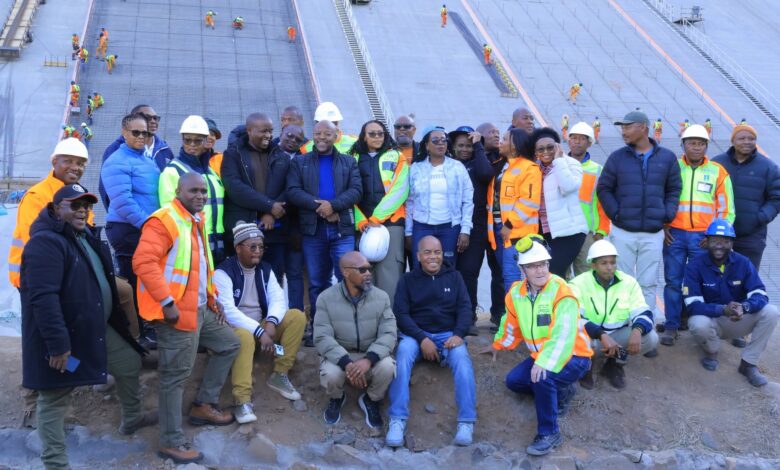
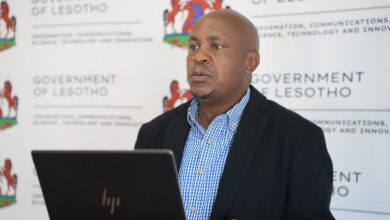
The development of the Polihali Dam is bringing major infrastructure investment to Lesotho, but the project is also drawing attention to the importance of improving the lives of communities located in the construction area. The Minister of Natural Resources, Hon. Moleko, recently visited the Polihali Dam construction site to inspect the progress of the project and assess ongoing activities. During his visit, the minister stressed that construction work should not overshadow the needs and livelihoods of people living in the surrounding communities. His message highlights an important principle in large infrastructure development, which is that projects should create benefits that extend beyond the physical structures being built. For communities affected by major developments, improved livelihoods, skills and economic opportunities can be as important as the infrastructure itself.
During his speech, Hon. Moleko emphasised that livelihood improvement must remain a priority while construction of the Polihali Dam continues. Large infrastructure projects can bring employment, investment and improved services, but they can also affect the way local communities access land, natural resources and traditional sources of income. This makes it important for project authorities to work closely with communities and identify practical ways to support their economic wellbeing. The minister’s remarks therefore place community development alongside construction as an important measure of the project’s broader impact. A successful infrastructure project should consider not only whether construction targets are being achieved but also whether people living in the project area are gaining sustainable opportunities.
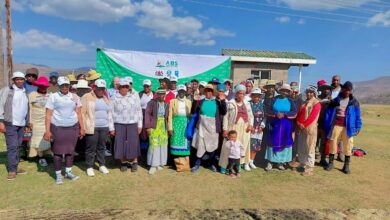
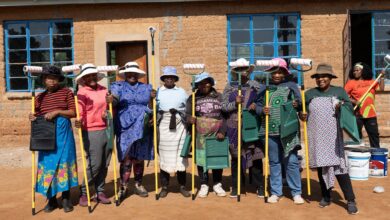
In response to the minister’s concerns, the Lesotho Highlands Water Project presented some of its livelihood improvement activities at Ha Ramonakalali. The initiatives are designed to provide communities with skills, support and opportunities to diversify their sources of income. Among the activities being promoted are poultry and pig production, improved sheep farming, fruit and vegetable farming and beekeeping. These options give community members opportunities to build productive activities that can contribute to household income and food security. Providing practical training alongside support can help participants develop skills that remain useful beyond the construction phase of the dam project.
Poultry and pig production can offer communities accessible opportunities to participate in agricultural enterprises and generate income from livestock. With appropriate training, farmers can improve their understanding of animal health, feeding, breeding and production management. Better farming practices can improve productivity while reducing losses that may affect household income. Livestock activities can also contribute to food security by providing families with sources of meat and other products. Supporting communities to develop these enterprises can therefore help create economic opportunities while strengthening local agricultural capacity.
The focus on improved sheep farming also provides an opportunity to build on existing agricultural practices within rural communities. Training can help farmers improve animal management, breeding practices, nutrition and overall flock productivity. These improvements can increase the value and sustainability of sheep production when farmers have access to the necessary knowledge and resources. Developing livestock enterprises can provide households with an additional source of income and help diversify livelihoods. This approach is particularly relevant in communities where agriculture and livestock already form part of the local economic base.
Fruit and vegetable farming offers another practical livelihood option with potential benefits for both household consumption and income generation. Growing a wider range of crops can improve access to nutritious food while creating opportunities for farmers to sell surplus produce. Training can help community members understand better cultivation techniques, crop management and methods for improving yields. Where markets are accessible, increased production can also support small-scale agricultural businesses and strengthen local economic activity. These initiatives demonstrate how livelihood programmes can connect skills development with practical opportunities that communities can continue using over the long term.
Beekeeping is another activity being promoted through the livelihood improvement efforts at Ha Ramonakalali. Beekeeping can provide communities with an income-generating activity that requires careful management of natural resources and can produce valuable products such as honey. It can also contribute to the broader agricultural environment because bees play an important role in pollination. Training community members in beekeeping can therefore support both economic activity and environmental awareness. Developing this type of enterprise can add another source of income while encouraging communities to explore sustainable ways of using available natural resources.
The range of activities being supported by the Lesotho Highlands Water Project demonstrates the importance of livelihood diversification in communities affected by major infrastructure development. Depending on a single source of income can leave households vulnerable when economic or environmental conditions change. By developing skills in livestock production, crop farming and beekeeping, community members can explore several ways of supporting their households. Diversification can also create opportunities for different members of the community to participate according to their interests, skills and available resources. The approach therefore aims to build economic resilience rather than provide only short-term assistance.
The minister’s visit also highlights the need for infrastructure projects to maintain a strong relationship with communities throughout construction. Community engagement should continue as projects develop because local needs can change and new challenges can emerge. Providing training and livelihood support can help communities participate more actively in the economic opportunities associated with development. It can also strengthen trust between project authorities and residents by demonstrating that community wellbeing remains part of the project’s priorities. Regular assessment of livelihood programmes can further help determine which activities are delivering results and where additional support may be needed.
The Polihali Dam project provides an example of how infrastructure development can be viewed from a broader perspective. Building a dam involves significant engineering, construction and technical work, but the impact of such a project extends into the communities that surround it. People living in the project area need opportunities that can help them maintain and improve their livelihoods as the development progresses. The initiatives at Ha Ramonakalali show how training and practical support can form part of this wider responsibility. By investing in skills and income-generating activities, project stakeholders can help ensure that development produces benefits that reach beyond the construction site.
The message from Hon. Moleko is therefore significant for the future of the Polihali Dam and other major development projects in Lesotho. Construction progress remains important, but infrastructure should also contribute to improved living conditions and stronger economic opportunities for communities affected by development. The livelihood initiatives at Ha Ramonakalali demonstrate a practical effort to support this objective through poultry and pig production, improved sheep farming, fruit and vegetable farming and beekeeping. These programmes can help communities develop useful skills, diversify income sources and strengthen household resilience. The Polihali Dam project can ultimately deliver a broader and more meaningful legacy if physical infrastructure and community development continue to advance together.
The development of the Polihali Dam should therefore be measured not only by the progress of construction but also by the lasting benefits created for people living in the project area. The livelihood improvement activities being implemented through the Lesotho Highlands Water Project show that communities can be supported through practical training and productive opportunities while major infrastructure work continues. Ensuring that these programmes remain effective, inclusive and sustainable will be important as the project moves forward. A dam can provide essential infrastructure and economic value, but its wider contribution is stronger when surrounding communities also gain the skills and opportunities needed to improve their lives. The Polihali Dam development demonstrates why successful infrastructure should combine construction progress with meaningful and lasting community development.
Join 'Lesotho News' WhatsApp Channel
Get breaking Lesotho news — delivered directly to your WhatsApp.
CLICK HERE TO JOIN