National University of Lesotho and Japanese Embassy Explore Academic and Cultural Partnerships as Countries Mark 55 Years of Diplomatic Relations

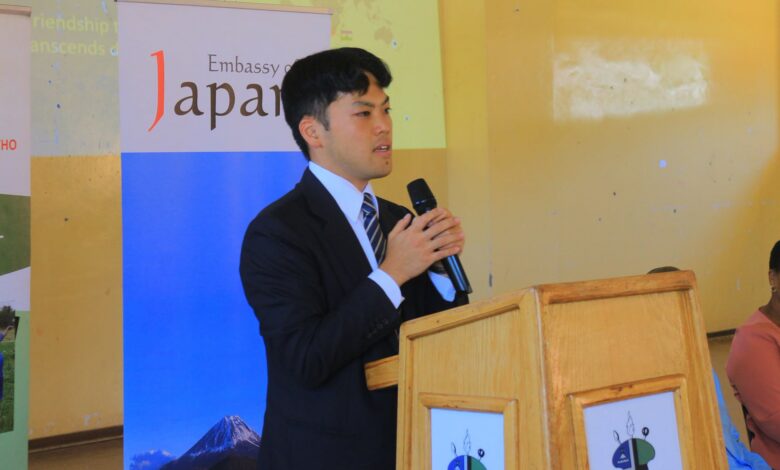
The National University of Lesotho (NUL) is exploring new opportunities to strengthen academic, cultural and institutional cooperation with Japan following an engagement with officials from the Embassy of Japan on Thursday, 29 October 2026. The meeting, hosted by NUL’s Faculty of Humanities, focused on expanding relations between the university and Japan through academic partnerships, student exchanges, cultural activities and knowledge sharing. The engagement comes as Lesotho and Japan celebrate 55 years of diplomatic relations, marking an important milestone in the relationship between the two countries. Both sides used the occasion to discuss ways of building stronger connections between their academic institutions and communities. The discussions also highlighted the role of higher education in promoting international understanding, research cooperation and long-term partnerships.
The programme took place at NULIS Hall and brought together Embassy of Japan officials, university staff and students from relevant academic disciplines. An open seminar formed a central part of the engagement, providing participants with an opportunity to learn more about Japan’s foreign policy and its historical development. Embassy representatives presented an overview of the principles and priorities that have shaped Japan’s international relations over the years. They also discussed opportunities for strengthening cooperation between Japan and Lesotho, particularly through the National University of Lesotho. The seminar encouraged interaction between the visiting officials and the university community, creating space for questions, discussions and the exchange of perspectives on issues of mutual interest.
The participation of students and academic staff from disciplines such as History, International Relations, Development Studies and Political Science was particularly relevant to the objectives of the engagement. These fields provide important academic perspectives on international diplomacy, political systems, economic development and relations between countries. Stronger links with Japanese academic institutions could expose NUL students and researchers to different approaches to these subjects. Such engagement could also create opportunities for comparative research and discussions on shared development challenges. By encouraging direct interaction with international diplomatic representatives, the university can help students develop a broader understanding of global affairs and international cooperation.
The 55th anniversary of diplomatic relations between Lesotho and Japan provided an important context for the discussions. Since establishing diplomatic ties, the two countries have maintained a relationship that offers opportunities for cooperation in areas of shared interest. The anniversary creates an opportunity to reflect on the value of these relations while exploring practical ways to strengthen them for future generations. Academic partnerships are particularly important because universities can maintain long-term relationships through teaching, research, student mobility and institutional cooperation. The engagement between NUL and the Japanese Embassy therefore represents an opportunity to connect diplomatic relations with meaningful educational and cultural activities.
Following the open seminar, Embassy officials held a separate meeting with NUL staff to discuss practical opportunities for collaboration. The discussions focused on possible student and staff exchange programmes, partnerships with universities in Japan and initiatives that could promote academic engagement between the two countries. Student exchange programmes could allow NUL students to experience Japanese higher education, gain international exposure and develop a deeper understanding of Japanese society and culture. Similarly, staff exchange opportunities could encourage lecturers and researchers to share academic expertise, teaching methods and research experiences. Such initiatives could contribute to institutional development while strengthening the international profile of the National University of Lesotho.
Partnerships between NUL and Japanese universities could also create opportunities for joint research, academic conferences and collaborative educational programmes. Through these arrangements, researchers could explore issues relevant to both countries while benefiting from different academic experiences and perspectives. Development Studies, for example, offers opportunities to examine approaches to sustainable development, public policy and social transformation. History and Political Science could support comparative research into political institutions, governance and international relations. International Relations could provide a platform for examining diplomacy, regional cooperation and Japan’s engagement with Africa. Although these opportunities remain under discussion, they demonstrate the potential value of stronger institutional links between Lesotho and Japan.
The proposed cooperation also extends beyond traditional academic activities to include cultural exchange and creative industries. During the discussions, participants highlighted possible collaboration in culture and film, recognising the importance of cultural activities in building understanding between societies. One of the ideas raised was hosting a Japanese Film Festival in Lesotho as part of the 55th anniversary celebrations. Such an event could introduce Basotho audiences to Japanese storytelling, filmmaking traditions and contemporary social experiences. It could also provide an opportunity for cultural interaction between Japanese representatives, local artists, students and members of the wider community.
A Japanese Film Festival in Lesotho could offer an accessible way of introducing different aspects of Japanese culture to local audiences. Film provides a platform through which people can explore another country’s history, values, traditions and modern society. For students and young people, such an initiative could complement classroom learning by offering a more engaging understanding of international cultures. It could also encourage discussions about similarities and differences between Japanese and Basotho communities. If realised, the festival would add a cultural dimension to the anniversary celebrations while supporting the broader objective of strengthening people-to-people relations.
The engagement also reflects the importance of universities in promoting international cooperation beyond their immediate academic responsibilities. Institutions such as the National University of Lesotho can serve as platforms for diplomatic engagement, cultural exchange and partnerships that connect communities across national borders. Through international academic networks, universities can expose students to new ideas, improve research capacity and create opportunities for professional development. Cooperation with Japanese institutions could also help NUL strengthen its global academic connections and explore new approaches to teaching and research. These benefits could extend beyond the university by creating opportunities for wider participation from the Basotho community.
The discussions between NUL and the Japanese Embassy mark an initial step towards possible formal cooperation agreements. Such agreements could provide a framework for identifying shared priorities, coordinating activities and establishing long-term institutional relationships. However, the proposed partnerships will require further engagement and practical arrangements before they become established programmes. Both sides will need to consider areas of mutual interest and identify suitable Japanese university partners for the proposed exchanges and collaborative initiatives. Formal agreements could help provide direction and continuity to the relationship while creating a foundation for sustained academic and cultural cooperation.
As Lesotho and Japan commemorate 55 years of diplomatic relations, the engagement at the National University of Lesotho demonstrates the value of expanding international partnerships through education, research and culture. The discussions have opened possibilities for student and staff exchanges, university partnerships, knowledge sharing and cultural initiatives such as a Japanese Film Festival. These opportunities could strengthen NUL’s international engagement while giving students and academic staff greater access to global perspectives and experiences. The proposed cooperation also offers a way to translate longstanding diplomatic relations into practical benefits for educational institutions and communities in both countries. As discussions continue towards possible formal agreements, the partnership between NUL and the Embassy of Japan could become an important platform for advancing academic collaboration, cultural understanding and stronger Lesotho-Japan relations.
Join 'Lesotho News' WhatsApp Channel
Get breaking Lesotho news — delivered directly to your WhatsApp.
CLICK HERE TO JOIN