Disaster Management Authority and Lesotho Meteorological Services Hold Forum for DDMT Members in Hlotse
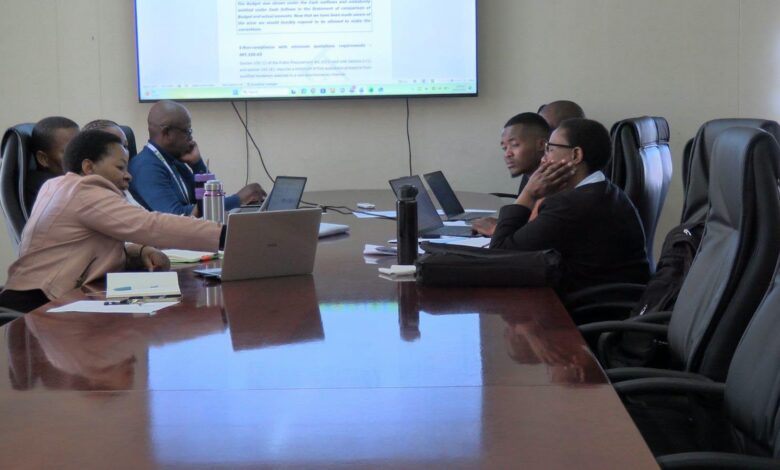
The Disaster Management Authority, in collaboration with the Lesotho Meteorological Services, held a one-day forum for District Disaster Management Team members in Hlotse, Leribe, on Tuesday. The forum brought together stakeholders involved in disaster preparedness, response and risk management at district level. Its focus reflects the importance of coordinated action when communities face weather-related hazards and other emergencies. Effective disaster management depends on timely information, clear communication and cooperation among institutions responsible for protecting communities. By creating a platform for DDMT members to engage with disaster management and meteorological issues, the forum supported efforts to strengthen preparedness and improve coordination in Leribe.
The collaboration between the Disaster Management Authority and Lesotho Meteorological Services is particularly relevant because reliable weather information plays an important role in disaster risk management. Meteorological information can help authorities understand developing weather conditions and support decisions about preparedness and response. When such information reaches the appropriate stakeholders in a timely manner, it can contribute to better planning at district and community level. Disaster management teams can use relevant information to assess potential risks and coordinate appropriate actions within their areas of responsibility. The forum therefore provided an opportunity to strengthen the connection between meteorological information and practical disaster management activities.
District Disaster Management Teams have an important role in coordinating disaster-related activities within their respective districts. Their work requires cooperation among different stakeholders because disasters can affect communities in several ways and may require different forms of assistance. Coordination can help reduce confusion and ensure that available resources and information reach the areas where they are most needed. Regular forums also give team members an opportunity to discuss disaster management priorities and improve their understanding of their respective responsibilities. Strengthening district-level coordination is therefore an important part of building a more effective disaster risk management system in Lesotho.
Hlotse, as the venue for the one-day forum, provided a setting for stakeholders in Leribe to come together and engage on issues related to disaster preparedness. Bringing DDMT members together in person can support communication between institutions and create opportunities to identify practical challenges. It can also help participants understand how their individual responsibilities connect with the broader disaster management process. Forums of this nature are useful because effective disaster response does not begin when an emergency occurs. Preparedness requires planning, communication and coordination before hazards develop into serious emergencies.
Weather-related risks make cooperation between disaster management authorities and meteorological services particularly important. Lesotho experiences different weather conditions that can create risks for communities, infrastructure, agriculture and other sectors. Timely weather information can support early awareness of potentially hazardous conditions and help relevant authorities prepare for possible impacts. Disaster management structures can then use this information as part of wider risk assessments and response planning. Strong cooperation between technical agencies and district structures can improve the flow of information from forecasting services to those responsible for action on the ground.
The one-day forum also highlights the value of continuous capacity development among disaster management stakeholders. Disaster risk management requires more than emergency response because authorities must also focus on preparedness, prevention, mitigation and recovery. Participants need to understand how to work together under changing circumstances and how to communicate important information to other stakeholders and communities. Regular engagement can help reinforce these practices and provide space for professionals to share experiences and identify areas that need greater attention. Capacity building at district level can ultimately contribute to stronger preparedness across local communities.
Communication is another central element of effective disaster management. Weather information has little practical value if it does not reach the people and institutions that need it in time. Meteorological services, disaster management authorities and district teams therefore need effective channels for sharing information and coordinating decisions. Clear communication can help stakeholders understand the nature of a potential hazard and determine what preparations may be necessary. It can also support more consistent communication with communities, particularly when people need to understand potential risks and appropriate safety measures.
The forum in Hlotse also reflects the importance of bringing national and district structures closer together. Disaster risks are experienced locally, which means that district stakeholders need the knowledge and coordination mechanisms required to respond effectively. National institutions can provide technical expertise, guidance and broader coordination, while district structures can provide important knowledge about local conditions and community needs. Cooperation between these levels can make disaster management efforts more responsive and practical. The collaboration between the Disaster Management Authority and Lesotho Meteorological Services provides an example of how different areas of expertise can support a shared disaster risk reduction objective.
Strengthening disaster preparedness has wider benefits for communities and development. When authorities prepare for potential hazards, they can reduce disruption to essential services and improve their ability to protect people and property. Preparedness can also support faster recovery after an emergency by ensuring that responsibilities and coordination mechanisms are established in advance. For communities, effective disaster management can provide greater awareness of risks and improve confidence in local response systems. These benefits make forums that bring together disaster management stakeholders an important part of ongoing efforts to reduce disaster risk in Lesotho.
The one-day DDMT forum in Hlotse was therefore an important opportunity for stakeholders to strengthen coordination and engagement around disaster management. The involvement of the Disaster Management Authority and Lesotho Meteorological Services brought together disaster risk management and meteorological expertise in support of district preparedness. By engaging DDMT members, the forum focused attention on the structures that play a direct role in coordinating disaster-related activities at local level. Continued collaboration, information sharing and capacity development can help strengthen these structures and improve preparedness for future hazards. The Hlotse forum reinforces the importance of acting before disasters occur and ensuring that relevant institutions are prepared to work together when communities need assistance.
Effective disaster management in Lesotho requires sustained cooperation among institutions, districts and communities. The forum held in Hlotse, Leribe, demonstrates the value of creating opportunities for stakeholders to discuss preparedness and strengthen coordination. The partnership between the Disaster Management Authority and Lesotho Meteorological Services is especially important because weather information can support early awareness and informed disaster risk management decisions. Empowering DDMT members with stronger coordination and communication practices can help improve the way risks are identified and managed at district level. Continued efforts of this kind can contribute to a more prepared and resilient Lesotho, where communities and authorities are better positioned to respond to emergencies and protect lives and livelihoods.
Join 'Lesotho News' WhatsApp Channel
Get breaking Lesotho news — delivered directly to your WhatsApp.
CLICK HERE TO JOIN