Lesotho and Regional Partners Push Forward With Lesotho-Botswana Water Transfer Project

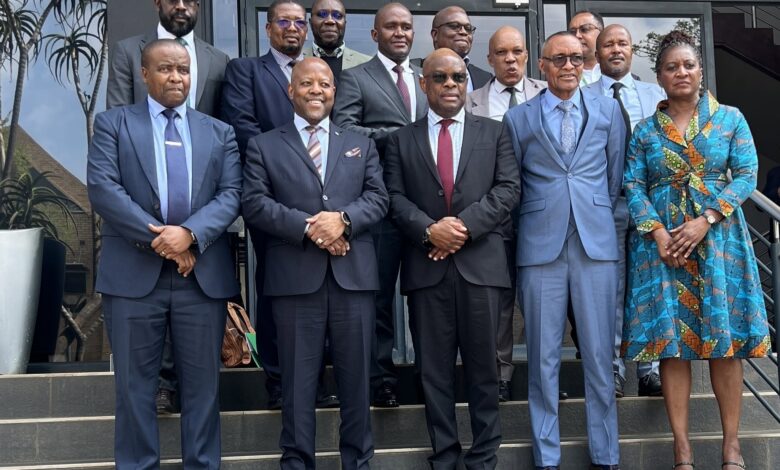
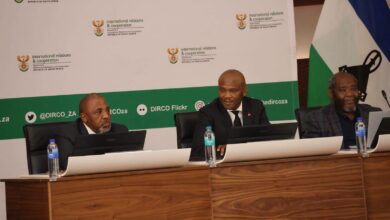
Lesotho is intensifying efforts to advance a major regional water infrastructure initiative as the Lesotho-Botswana Water Transfer Project (L-BWTP) moves closer to its next stage of development. Yesterday, Hon Mohlomi Moleko, Minister of Natural Resources of the Kingdom of Lesotho and Chairperson of the Orange-Senqu River Commission, visited the African Development Bank Group Regional Office in Centurion, South Africa. The high-level engagement focused on accelerating the remaining feasibility studies required for the project and preparing it for further development. The meeting brought together key regional and development stakeholders around an initiative that could have significant implications for water security and economic development. Discussions also highlighted the importance of sustained cooperation as participating countries work towards addressing growing water needs and strengthening resilience to climate-related pressures.
Minister Moleko and African Development Bank Director General Mr Kennedy Mbekeani led discussions on the progress of the L-BWTP and the steps required to move the initiative forward. A central issue was the need to expedite the completion of the project’s remaining feasibility studies. These studies are important because they provide the technical, financial, environmental and operational information needed to determine how the proposed water transfer system can be developed and implemented. Completing this work will allow participating governments and development partners to make informed decisions about the project’s next phase. The engagement therefore represented an important opportunity to maintain momentum and address the requirements that could otherwise delay progress on a complex regional infrastructure project.
The L-BWTP is designed as a transboundary water initiative involving Botswana, Lesotho and South Africa, with Namibia participating as an observer. Its main objective is to transfer water from Lesotho to support water supply needs in Botswana’s southern region as well as areas in South Africa and Botswana. The project reflects the interconnected nature of water management in the region, where national water challenges can extend beyond individual borders. By developing infrastructure that connects water resources with areas facing supply pressures, participating countries can explore longer-term approaches to improving water security. The involvement of multiple countries also means that effective coordination, shared planning and continued diplomatic engagement will remain essential throughout the project’s development.
The role of Lesotho is particularly important because the proposed project would make use of the country’s water resources to support communities and areas beyond its borders. Lesotho has previously played a significant role in regional water supply through its water infrastructure and existing partnerships with neighbouring countries. The L-BWTP presents another opportunity to strengthen this role while supporting broader regional development objectives. However, transferring water across national boundaries requires careful planning to ensure that infrastructure development, environmental considerations and the interests of affected communities receive appropriate attention. The ongoing feasibility studies are therefore an important part of establishing a sound foundation for the project’s future implementation.
The discussions in Centurion also reaffirmed the importance of cooperation between ORASECOM, the project’s participating State Parties and development partners. Large transboundary infrastructure projects require coordination between governments, technical institutions, financial organisations and other stakeholders. ORASECOM provides an important platform for cooperation around shared water resources within the Orange-Senqu River Basin. Its role in coordinating and implementing the L-BWTP on behalf of the participating States reflects the need for an institution capable of bringing different national interests together. Continued engagement with development partners such as the African Development Bank can also help mobilise the expertise and resources required to move the project from feasibility planning towards implementation.
Water security remains a growing concern across southern Africa, particularly as population growth, economic development and changing climate conditions place additional pressure on available water resources. Projects such as the L-BWTP are being considered within this broader regional context, where countries need reliable and sustainable approaches to managing water demand. Climate resilience is therefore an important consideration alongside infrastructure development and water supply. Strengthening regional water systems can help participating countries prepare for periods of increased water stress while supporting communities and economic activities that depend on dependable water supplies. The L-BWTP could consequently contribute to a wider regional strategy focused on improving the reliability and resilience of water resources.
The project also has potential socio-economic significance for the countries involved. Major water infrastructure can support economic activity by improving the availability of water for communities, industries and other productive sectors. Its development can also create opportunities for investment, technical expertise and employment during different stages of planning and construction. At the same time, the long-term value of the project will depend on sound planning, effective governance and careful management of environmental and social considerations. The feasibility studies will help establish the information required to understand these factors before major implementation decisions are taken. This makes completing the outstanding studies a critical priority for the participating States and their development partners.
Minister Moleko’s engagement with the African Development Bank demonstrates Lesotho’s continued focus on advancing the L-BWTP through regional cooperation and strategic partnerships. The discussions provided an opportunity to reinforce the need for timely completion of the remaining technical work while maintaining coordination among the project’s key stakeholders. Progress at this stage will depend on sustained commitment from the participating governments as well as effective support from development institutions. The involvement of senior officials also signals the importance attached to the project and its potential contribution to regional water security. Moving the initiative forward will require continued attention to feasibility, financing, environmental considerations and the practical needs of communities that could benefit from improved water access.
The Lesotho-Botswana Water Transfer Project remains an important regional initiative with the potential to strengthen water security and support socio-economic development across participating countries. The latest discussions in Centurion have placed renewed focus on completing the remaining feasibility studies and creating a pathway towards the project’s next phase. Lesotho, Botswana and South Africa will need to maintain close cooperation as the initiative develops, while Namibia’s observer role provides an additional regional dimension to the engagement. ORASECOM’s coordinating role and collaboration with the African Development Bank will remain important as the project moves through the development process. With continued cooperation, careful planning and timely completion of the outstanding studies, the L-BWTP can move closer to becoming a practical regional response to water security and climate resilience challenges.
Join 'Lesotho News' WhatsApp Channel
Get breaking Lesotho news — delivered directly to your WhatsApp.
CLICK HERE TO JOIN