Lesotho is looking to strengthen access to safe water and dignified sanitation by turning lessons from regional cooperation into practical action. Following a learning exchange visit to Eswatini organised by World Vision Lesotho in collaboration with the Ministry of Natural Resources Lesotho, key stakeholders held a high-level reflection meeting to assess what could be adapted for the country. The engagement focused on translating experiences from Eswatini into approaches that can improve water, sanitation and hygiene services across Lesotho. The discussions highlighted the importance of strong partnerships, sustainable investment and meaningful community participation in WASH programmes. These priorities are central to efforts to ensure that more Basotho have reliable access to safe water and sanitation facilities.
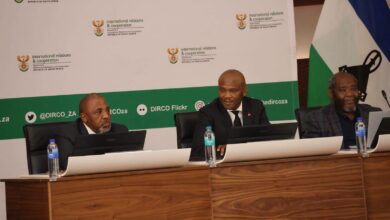
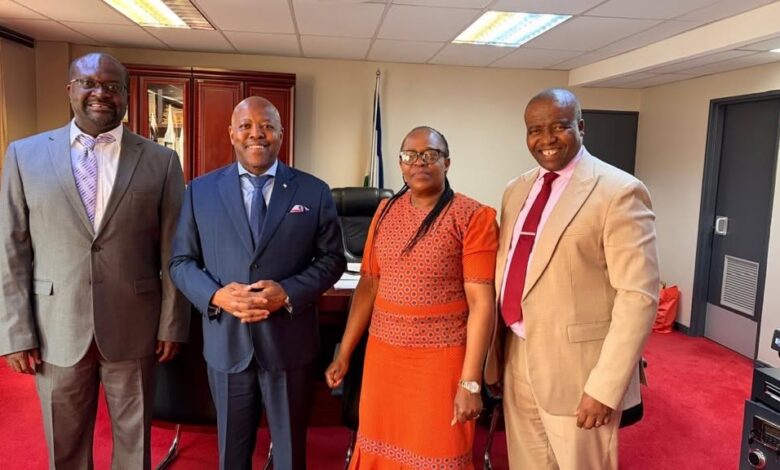
The reflection meeting brought together the Minister of Natural Resources, the Principal Secretary, World Vision Lesotho’s National Director and the organisation’s Advocacy & Partnering Lead. Their participation demonstrated the importance of collaboration between government institutions and development organisations when addressing complex water and sanitation challenges. The meeting provided an opportunity to examine the outcomes of the Eswatini learning exchange and identify practical opportunities for strengthening WASH services in both rural and urban communities. Rather than treating the exchange as a standalone learning activity, stakeholders focused on how the lessons could inform future planning, investment and implementation. This approach can help ensure that regional knowledge contributes directly to improved services for communities across Lesotho.
One of the major lessons highlighted from Eswatini was the potential of co-investment models to strengthen water supply initiatives. Under such approaches, government and development partners can work together to mobilise financial and technical resources for projects that require sustained investment. Co-investment can also create stronger coordination between different stakeholders and reduce the risk of fragmented interventions in communities that need reliable water services. For Lesotho, strengthening these partnerships could help unlock additional resources for water infrastructure while supporting projects designed around local needs. Sustainable financing remains particularly important because water systems require more than initial construction, with ongoing maintenance, management and rehabilitation also needed to keep services operational.
The discussions also placed greater emphasis on investing in community WASH systems. World Vision Lesotho plans to strengthen sustainable community participation, ownership and accountability in WASH-related interventions as part of its forward-looking approach. Community involvement can play an important role in determining whether water and sanitation projects remain functional long after external project teams have completed their work. When residents understand how systems operate and have meaningful opportunities to participate in decisions, they can contribute to monitoring, maintenance and responsible use of infrastructure. Community ownership can also encourage local accountability by creating clearer responsibilities for managing shared water resources and sanitation facilities. This makes community participation an important part of building WASH systems that can respond to local conditions and remain sustainable over time.
The focus on community ownership reflects a broader understanding of what sustainable water access requires. Building boreholes, water networks, storage facilities or sanitation infrastructure can address immediate service gaps, but physical infrastructure alone does not guarantee long-term access. Communities need appropriate structures that enable them to participate in planning, manage systems effectively and identify challenges before they become major failures. Local accountability can also help ensure that infrastructure receives the attention and maintenance required to continue serving households, schools and other community facilities. By placing communities at the centre of WASH interventions, development partners and government can build systems that are more closely connected to the people who depend on them.
The lessons from Eswatini could therefore contribute to a more coordinated approach to WASH development in Lesotho. Regional learning exchanges provide an opportunity for countries facing similar development challenges to examine approaches that have been tested in comparable settings. The value of such exchanges depends on the ability to adapt those lessons to local circumstances rather than simply replicating another country’s model. Lesotho can assess which aspects of co-investment, community participation and partnership-based implementation are suitable for its own institutional, financial and geographic realities. This process can strengthen planning and help stakeholders focus resources on interventions with the potential to deliver lasting improvements.
Improving WASH services also has implications beyond access to water itself. Reliable water and sanitation services support healthier communities, improve living conditions and contribute to the dignity of households that may otherwise face inadequate sanitation facilities. Better WASH systems can also support schools, healthcare facilities and other public institutions where safe water and sanitation are essential for effective service delivery. In rural communities, reliable water infrastructure can reduce the challenges associated with obtaining water and create conditions that support broader community development. These connections make WASH investment an important component of sustainable development rather than a narrow infrastructure concern.
The emphasis on stronger partnerships also aligns with Lesotho’s efforts to contribute to Sustainable Development Goal 6, which calls for universal access to water and sanitation. Achieving this goal requires coordinated action from governments, development partners, communities and other stakeholders because water and sanitation challenges often involve infrastructure, financing, governance and behaviour. The 2030 Agenda provides a framework for countries to improve access to essential services while strengthening sustainability and inclusion. For Lesotho, partnerships such as those involving World Vision Lesotho and the Ministry of Natural Resources can help connect international development commitments with practical programmes at community level. Continued collaboration will be important as stakeholders work to translate policy objectives into measurable improvements in people’s daily lives.
The reflection meeting following the Eswatini learning exchange signals a commitment to moving from lessons learned to practical WASH action. Co-investment can help strengthen the resources available for sustainable water supply projects, while community-led approaches can improve ownership, participation and accountability. Together, these strategies can support WASH systems that are designed not only to deliver infrastructure but also to remain functional and responsive to community needs. Strong coordination between government and development partners will remain essential as Lesotho works to expand access to safe water and dignified sanitation. By investing in communities today and building sustainable WASH systems for tomorrow, Lesotho can make meaningful progress towards SDG 6 and ensure that more Basotho benefit from reliable and dignified water and sanitation services.
Join 'Lesotho News' WhatsApp Channel
Get breaking Lesotho news — delivered directly to your WhatsApp.
CLICK HERE TO JOIN