
The Lesotho Enterprise Assistance Programme (LEAP) is supporting Basotho-owned businesses with financial assistance, business training and opportunities to access international markets. The programme is designed to help entrepreneurs strengthen their operations, improve their products and become more competitive in an increasingly demanding business environment. Through financial support and practical development programmes, LEAP is helping businesses address some of the challenges that can limit their growth. The initiative also gives entrepreneurs opportunities to showcase their products to potential buyers through trade exhibitions and expos. By combining funding, training, technology and market access, LEAP is creating opportunities for local businesses to expand their operations and contribute more strongly to Lesotho’s economy.
LEAP Programme Manager Mr. Lehlohonolo Chefa said the programme facilitates the participation of local businesses in trade exhibitions and expos where entrepreneurs can meet potential buyers and promote their products. These events give business owners an opportunity to introduce their products to new customers while developing relationships with potential commercial partners. Participation in international and regional exhibitions can also help entrepreneurs understand what buyers expect in terms of quality, packaging and reliability. Chefa said LEAP supports businesses in improving their products so they can meet international market standards. This focus is important because gaining access to international markets requires businesses to maintain consistent quality and meet requirements that may differ from those in the local market.
Market access can be a major challenge for small and growing businesses, particularly those that have limited resources for marketing and networking. Trade exhibitions can help address this challenge by placing entrepreneurs in environments where they can interact directly with potential buyers and other businesses. These interactions can provide valuable information about consumer preferences and opportunities for expanding product lines. Entrepreneurs can also use the experience to identify weaknesses in their products and make improvements based on market feedback. With the support of LEAP, local businesses have an opportunity to move beyond producing for small local markets and explore wider commercial opportunities.
Training is another important component of the programme’s support for entrepreneurs. Chefa explained that Basotho business owners previously faced difficulties when they needed to travel to South Africa for short business courses because Lesotho had limited institutions offering this type of training. The cost and inconvenience of travelling for short courses could make it difficult for entrepreneurs to develop the skills needed to manage and expand their businesses. LEAP has since partnered with local institutions to provide business development courses within Lesotho. This approach allows entrepreneurs to access relevant training closer to home while strengthening the country’s own capacity to provide business development support.
Business development training can help entrepreneurs improve the way they manage different aspects of their operations. Business owners need knowledge of planning, financial management, marketing, customer relations and other areas to build sustainable enterprises. Training can also help entrepreneurs identify risks and make better decisions when they are considering expansion or introducing new products. For businesses that want to enter larger markets, additional knowledge about standards and market requirements can be particularly valuable. By making these opportunities available through local partnerships, LEAP is helping reduce some of the barriers that previously prevented entrepreneurs from accessing business education.
Financial assistance is another key part of LEAP’s support for Basotho-owned enterprises. According to Chefa, the programme provides assistance covering 80 percent of eligible business expansion costs, while cooperatives can receive funding covering up to 75 percent. This support can help businesses invest in areas that may otherwise be difficult to finance using their own resources. Expansion funding can potentially be used to strengthen operations, increase production capacity and improve the ability of businesses to serve larger markets. The availability of financial assistance can therefore provide entrepreneurs with an opportunity to move from small-scale operations towards more sustainable and competitive enterprises.
LEAP is also encouraging businesses to adopt modern technologies that can improve productivity and competitiveness. Technology can help businesses streamline their operations, improve efficiency and increase the consistency of their products and services. For manufacturers and other productive enterprises, modern equipment can also increase output and reduce some of the limitations associated with outdated processes. However, adopting technology often requires investment that smaller businesses may struggle to afford. LEAP’s support can help businesses take steps towards modernising their operations and positioning themselves to compete more effectively in local and international markets.
Entrepreneurs must also meet certain legal and regulatory requirements before they can access funding through the programme. Chefa explained that businesses need to provide the necessary documentation, including a business licence and other regulatory documents. Having the correct documentation is important because it helps establish that a business operates within the required legal framework. It also ensures that funding can be directed towards businesses that meet the programme’s eligibility requirements. Entrepreneurs who want to benefit from LEAP therefore need to ensure that their business records and regulatory documents are in order before applying for financial assistance.
The emphasis on legal compliance can also help businesses become more prepared for long-term growth. Formalising a business gives entrepreneurs a stronger foundation for engaging with financial institutions, suppliers, customers and potential investors. Proper documentation can also make it easier for businesses to participate in formal trade opportunities and meet requirements imposed by larger buyers. Entrepreneurs should therefore view compliance not only as a requirement for accessing LEAP funding but also as part of building a stronger business. Maintaining accurate and up-to-date documentation can support greater credibility and create opportunities for future expansion.
Another issue addressed by LEAP is the ability of businesses to survive during periods of crisis. Entrepreneurs can face significant disruption when disasters and other economic shocks affect production, supply chains, customer demand or access to markets. Chefa said the government has introduced a Disaster Risk Financing mechanism to help businesses withstand the impact of disasters and other economic shocks. Such mechanisms can provide businesses with greater support when unexpected events threaten their operations. Building resilience is important because businesses that can continue operating during difficult periods are better positioned to protect jobs, maintain production and recover when conditions improve.
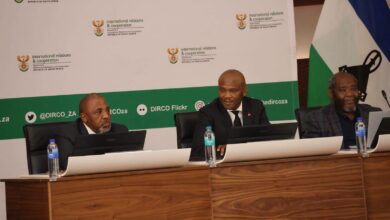
The government’s engagement with civil servants and development partners forms part of preparations for direct discussions with entrepreneurs. The initial meetings are intended to help ensure that relevant stakeholders are prepared before engagement with businesses begins. Entrepreneurs will have an opportunity to learn more about available support and raise questions about the challenges they face. The engagement is scheduled to begin on Wednesday in Leribe before continuing across all districts of the country. Taking the programme directly to different districts can help ensure that businesses outside major commercial centres also have an opportunity to understand and access available support.
The district-based engagement could be particularly important for reaching entrepreneurs who may not have easy access to information about government and development programmes. Businesses operate under different conditions depending on their location, sector and available resources. Direct engagement can help programme officials understand these differences and identify the specific challenges faced by entrepreneurs in different parts of Lesotho. It can also give business owners an opportunity to provide feedback on existing support mechanisms and suggest areas where additional assistance may be needed. A broader consultation process can therefore help strengthen the connection between business support programmes and the entrepreneurs they are designed to assist.
LEAP’s approach demonstrates that business competitiveness requires more than access to finance alone. Entrepreneurs also need training, technology, market opportunities and the ability to meet legal and product standards. By combining these areas of support, the programme is helping Basotho-owned businesses address several barriers to growth at the same time. The focus on trade exhibitions and international market access also gives businesses an opportunity to move towards customers beyond their immediate markets. If entrepreneurs make effective use of the available support and maintain the necessary standards, they can strengthen their businesses and contribute to broader economic activity in Lesotho.
The continued rollout of LEAP support across Lesotho provides an opportunity to strengthen the country’s small business sector and create new pathways for entrepreneurship. Financial assistance can help businesses expand, while training can improve the knowledge and skills needed to manage that growth. Technology adoption can increase productivity, and trade exhibitions can connect local entrepreneurs with potential buyers and international opportunities. The Disaster Risk Financing mechanism can further support business resilience when unexpected crises affect economic activity. As engagement with entrepreneurs begins in Leribe and expands to all districts, LEAP’s combined focus on finance, skills, technology, compliance, resilience and market access could help more Basotho businesses build stronger operations and compete successfully in wider markets.
Join 'Lesotho News' WhatsApp Channel
Get breaking Lesotho news — delivered directly to your WhatsApp.
CLICK HERE TO JOIN