Lesotho and Belgium Strengthen Investment Cooperation Through Renewable Energy Engagement

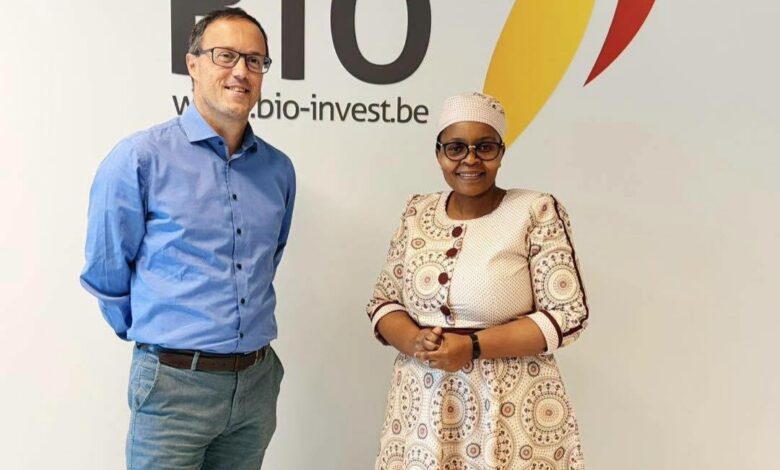
The Embassy of the Kingdom of Lesotho in Brussels has taken a significant step towards strengthening economic cooperation between Lesotho and Belgium through a high-level bilateral engagement with BIO, Belgium’s Development Finance Institution. Led by Her Excellency Ambassador Mantoetsi Mohatonyane, the Embassy held discussions with BIO at its headquarters in Brussels on 25 August 2026. The meeting focused on strategic investment opportunities in Lesotho, with renewable energy development, private-sector growth and sustainable economic progress identified as key areas of interest. The engagement comes as Lesotho continues to explore opportunities to expand its energy capacity while attracting investment that can support inclusive economic development. It also highlights the role of diplomatic engagement in connecting Lesotho with European development-finance institutions and potential sources of long-term investment.
BIO is Belgium’s Development Finance Institution and is wholly owned by the Belgian State. Its mandate includes supporting private-sector growth in developing and emerging economies through financing and technical assistance for businesses and projects that contribute to sustainable economic development. BIO operates across several sectors, including renewable energy, agribusiness, financial inclusion and climate finance, making it a potentially important partner for countries seeking to attract sustainable investment. Its financing approach can help businesses and projects access the capital and technical support required to develop commercially viable initiatives. For Lesotho, stronger engagement with BIO could create opportunities to connect national development priorities with international financing and expertise.
Renewable energy was a central focus of the discussions, with particular attention given to the potential for investment in wind energy. Lesotho has significant potential for clean energy generation, creating opportunities to expand its renewable energy capacity while supporting wider economic objectives. Increased investment in renewable power could help diversify the country’s energy portfolio and reduce its reliance on electricity imports. Improving domestic generation capacity could also contribute to a more reliable electricity supply for households, businesses and other economic activities. The development of new renewable energy projects could therefore have benefits that extend beyond the energy sector and support broader economic growth.
Wind energy presents an opportunity for Lesotho to make greater use of its natural resources while advancing its transition towards cleaner sources of power. Investment in wind projects could contribute to increased electricity generation while supporting efforts to build a more sustainable and resilient energy system. Reliable access to electricity remains important for businesses because energy availability can influence operating costs, productivity and opportunities for expansion. Greater domestic generation could also help create conditions for increased investment in industries that depend on consistent energy supplies. The discussions with BIO therefore reflect the potential for renewable energy investment to address both infrastructure needs and economic development priorities.
The potential benefits of renewable energy investment also extend to employment and the development of local businesses. Large energy projects can create opportunities for employment during construction and operation while generating demand for services and supplies from local companies. Small and medium-sized enterprises could benefit from opportunities linked to construction, maintenance, logistics, professional services and other activities associated with renewable energy projects. Building stronger connections between major investments and local SMEs can help ensure that economic benefits reach a wider section of society. This approach supports the broader objective of promoting inclusive economic development rather than focusing only on increasing electricity generation.
The meeting also examined opportunities to expand BIO’s engagement with the private sector in Lesotho. Although BIO currently has no investments in the country, Lesotho falls within BIO’s eligible investment scope, creating a basis for potential future cooperation. The Embassy expressed its interest in facilitating stronger connections between BIO and prospective private-sector projects in Lesotho. Such connections could help introduce viable projects to potential development-finance partners while giving investors greater insight into opportunities within the country. Strengthening these relationships could also help Lesotho attract investment into sectors with the potential to generate employment, improve infrastructure and support sustainable economic growth.
Private-sector development remains important to Lesotho’s efforts to build a more diversified and resilient economy. Development-finance institutions can play a role in supporting businesses that may struggle to access suitable long-term financing through traditional commercial channels. Investment can help companies expand their operations, introduce new technologies, improve productivity and enter new markets. Technical assistance can also strengthen the ability of businesses to develop sustainable and financially viable projects. Greater engagement between BIO and Lesotho’s private sector could therefore create opportunities for projects that align commercial objectives with environmental and development priorities.
Climate finance represents another area where closer cooperation could support Lesotho’s development ambitions. Renewable energy projects can contribute to lower-carbon economic growth while helping countries respond to the challenges associated with climate change. Access to appropriate financing is often essential for developing these projects because renewable energy infrastructure can require substantial investment before generating long-term economic returns. Development-finance institutions can help bridge some of these financing requirements by supporting projects that demonstrate both commercial potential and sustainable development benefits. Stronger engagement with European institutions such as BIO could therefore help Lesotho explore additional avenues for financing climate-related investments.
Her Excellency Ambassador Mantoetsi Mohatonyane reaffirmed the Embassy’s commitment to promoting Lesotho as an attractive destination for sustainable investment. The Embassy also expressed its commitment to facilitating engagement between Belgian and European development-finance institutions and relevant stakeholders in Lesotho. This diplomatic role can be important in helping investors understand the country’s investment opportunities while connecting potential partners with government institutions and businesses. Continued engagement can also help strengthen confidence and encourage further exploration of projects that align with Lesotho’s development priorities. By actively promoting sustainable investment opportunities, the Embassy can contribute to building stronger economic links between Lesotho and European partners.
The 25 August 2026 engagement at BIO’s headquarters represents a constructive development in Lesotho–Belgium economic cooperation. Its focus on renewable energy, climate finance and private-sector development reflects areas that can contribute to stronger economic resilience and more sustainable growth in Lesotho. Potential investment in wind energy could help diversify the country’s energy portfolio, improve electricity availability and create opportunities for employment and local businesses. At the same time, stronger links between BIO and Lesotho’s private sector could open new possibilities for financing projects that support long-term development. Continued collaboration between the Embassy, BIO, government institutions and private-sector stakeholders will be important as Lesotho seeks to turn investment opportunities into practical projects that deliver lasting economic and social benefits.
Join 'Lesotho News' WhatsApp Channel
Get breaking Lesotho news — delivered directly to your WhatsApp.
CLICK HERE TO JOIN