Lesotho Advances National AI Strategy and Data Centre Blueprint Through Five-Day Workshop

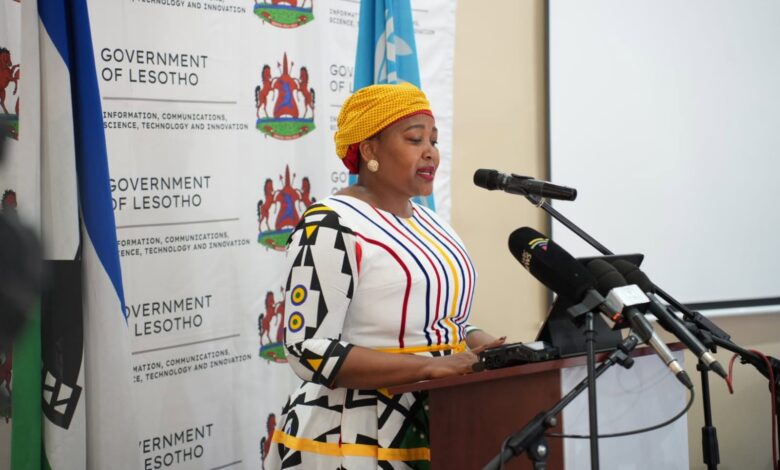
The Government of Lesotho, through the Ministry of Information, Communications, Science, Technology and Innovation (MICSTI), has commenced an important five-day workshop focused on developing the country’s National Artificial Intelligence (AI) Strategy and Data Centre Blueprint. The workshop, which runs from 17 to 21 August 2026 in Maseru, brings together key stakeholders to shape Lesotho’s approach to artificial intelligence, data management and digital infrastructure. The initiative is being undertaken in collaboration with the United Nations in Lesotho as the country seeks to strengthen its digital transformation agenda. Discussions during the workshop are expected to help establish strategic direction for the responsible adoption of AI while supporting the development of secure, resilient and sustainable data infrastructure. The initiative comes at a time when governments worldwide are assessing how emerging technologies can improve public services, support economic development and strengthen national competitiveness.
The National AI Strategy and Data Centre Blueprint are expected to provide Lesotho with a coordinated framework for managing the opportunities and challenges associated with rapidly developing technologies. Artificial Intelligence has the potential to improve efficiency across sectors such as healthcare, education, agriculture, public administration and business, but its successful adoption requires appropriate safeguards and institutional capacity. The data infrastructure supporting AI systems also needs to meet high standards for security, reliability, sustainability and accessibility. The workshop therefore provides an opportunity for government officials, technical experts, development partners and other stakeholders to consider the practical requirements for building Lesotho’s digital future. By bringing these discussions together within a national framework, the government aims to ensure that technological development supports the country’s broader development priorities.
Delivering the keynote address at the opening ceremony, Deputy Prime Minister Justice Nthomeng Majara stressed the importance of approaching the development of the National AI Strategy and Data Centre Blueprint with vigilance and strategic foresight. She acknowledged that Lesotho must keep pace with the rapidly changing global technology environment, but warned against pursuing Artificial Intelligence investment without first understanding the country’s own capabilities and readiness. Her remarks highlighted the importance of establishing safeguards before large-scale AI adoption takes place. She also emphasised that technology investments should be supported by appropriate infrastructure, policies and skilled human resources. This approach would allow Lesotho to take advantage of AI while reducing the risks that can arise when emerging technologies are introduced without sufficient preparation.
Justice Majara further underscored the need to protect Lesotho’s interests as the country develops its approach to Artificial Intelligence and other emerging technologies. Infrastructure protection, sound policy frameworks and human capacity will be critical to ensuring that AI systems can be adopted and managed effectively. The country will also need institutions capable of understanding the technical, economic, social and governance implications of AI as its use expands. Building this capacity can help government and other stakeholders make informed decisions about where AI can deliver the greatest value. It can also help Lesotho identify and manage potential risks linked to data protection, cybersecurity, digital inequality and responsible technology use. Her emphasis on readiness reflects the importance of ensuring that technological advancement produces practical and sustainable benefits for Basotho.
Speaking at the opening ceremony, Minister of Information, Communications, Science, Technology and Innovation Hon. Nthati Moorosi outlined the Ministry’s progress in advancing Lesotho’s digital transformation agenda. She traced the journey from bilateral engagements in Geneva to wider consultations involving stakeholders across the country. The process demonstrates the government’s efforts to develop digital policies through consultation rather than treating technology development as a purely technical matter. In 2025, the Ministry brought together more than 100 stakeholders to validate three important national instruments. These included the Artificial Intelligence Policy, the Data Management Policy and the Broadband and Shared Infrastructure Policy, which now form part of the foundation for Lesotho’s wider digital transformation programme.
The three policy instruments provide important direction for the responsible use of technology, effective management of data and development of critical digital infrastructure. The Artificial Intelligence Policy provides a basis for considering how AI can be introduced and governed in a manner that reflects national priorities. The Data Management Policy is important because effective digital transformation depends on the ability to collect, manage, protect and use data responsibly. Meanwhile, the Broadband and Shared Infrastructure Policy addresses the connectivity and infrastructure requirements needed to support wider digital participation. Together, these initiatives create a policy environment that can support the next stage of Lesotho’s digital development and provide a stronger foundation for the National AI Strategy and Data Centre Blueprint.
The National AI Strategy is expected to translate Lesotho’s policy ambitions into a more structured approach to the adoption and use of Artificial Intelligence. Such a strategy can help identify priority sectors, establish governance principles and guide investment in skills, infrastructure and innovation. It can also provide direction on issues such as responsible AI, data protection, cybersecurity, research and development and access to digital technologies. For Lesotho, a national strategy can help ensure that AI adoption does not happen in isolated projects without coordination or clear national objectives. It can instead provide a common framework for government institutions, businesses, researchers, development partners and other stakeholders to work towards shared digital transformation goals.
The Data Centre Blueprint will complement the AI Strategy by addressing the physical and technical infrastructure required to support Lesotho’s growing digital needs. Reliable data centres can provide the computing, storage, connectivity and security capabilities required by government systems and digital services. Their development also requires careful consideration of factors such as energy efficiency, cybersecurity, physical security, network resilience, operational costs and long-term sustainability. A well-designed blueprint can help Lesotho assess its infrastructure requirements and establish a coordinated path towards strengthening national data capacity. This is particularly important as increased use of cloud services, digital platforms, AI applications and data-driven public services creates greater demand for secure and dependable infrastructure.
The workshop also forms part of the Government of Lesotho’s broader effort to use technology, data and innovation to support socio-economic development. Digital transformation can improve the delivery of government services by making information and services more accessible to citizens while helping institutions improve efficiency and decision-making. It can also create opportunities for businesses, entrepreneurs and young people to participate in the digital economy. However, these benefits depend on adequate connectivity, digital skills, reliable infrastructure and policies that promote inclusion. The National AI Strategy and Data Centre Blueprint therefore have significance beyond technology because they can influence how Lesotho approaches economic development, public service delivery and digital participation in the years ahead.
Collaboration with the United Nations in Lesotho is also an important part of the workshop and the broader digital transformation process. Development partners can provide technical knowledge, international experience and support as Lesotho develops frameworks for emerging technologies. Collaboration can also help ensure that national plans reflect recognised principles around responsible innovation, inclusion, sustainability and digital development. At the same time, the government’s emphasis on national interests and local capabilities remains important because Lesotho needs solutions that reflect its own circumstances and development priorities. A balanced approach can help the country benefit from international expertise while maintaining national ownership of its digital transformation agenda.
The five-day workshop in Maseru provides an opportunity for stakeholders to examine these issues in detail and contribute to the development of practical national frameworks. The discussions can help identify existing strengths, infrastructure gaps, skills requirements and areas where additional investment may be necessary. Stakeholder participation is particularly important because the impact of AI and digital infrastructure will extend across government, businesses, communities and other parts of society. A collaborative process can also help build greater understanding of the responsibilities that come with adopting advanced technologies. The outcome should be a strategy and blueprint that are realistic, secure and aligned with Lesotho’s capacity to implement them effectively.
Lesotho’s progress towards a National AI Strategy and Data Centre Blueprint signals a significant step in its digital transformation journey. The government’s decision to combine technological ambition with caution, policy development, infrastructure planning and investment in human capacity provides an important foundation for sustainable digital growth. Artificial Intelligence can create new opportunities for Basotho, but those opportunities will depend on responsible governance, reliable infrastructure and people with the skills to develop and manage emerging technologies. The ongoing collaboration between MICSTI, national stakeholders and the United Nations in Lesotho can help strengthen the country’s digital ecosystem while ensuring that development remains inclusive and aligned with national priorities. As the workshop continues through 21 August 2026, its discussions are expected to contribute to a clearer and more coordinated path for Lesotho to adopt AI and build the secure digital infrastructure needed to support its future development.
Join 'Lesotho News' WhatsApp Channel
Get breaking Lesotho news — delivered directly to your WhatsApp.
CLICK HERE TO JOIN