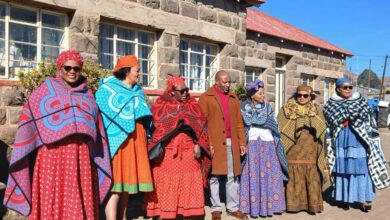
Lesotho and South Africa Strengthen Bilateral Cooperation Through High-Level Talks


The Kingdom of Lesotho and the Republic of South Africa have reaffirmed their commitment to strengthening bilateral relations following high-level discussions between their governments. The Right Honourable Prime Minister of Lesotho, Honourable Samuel Ntsokoane Matekane, led the Lesotho delegation in bilateral talks with the President of South Africa, His Excellency Cyril Ramaphosa. The discussions focused on several issues of mutual interest that directly affect the movement of people, trade, infrastructure development and economic cooperation between the two neighbouring countries. The talks also highlighted the close social and economic relationship that has existed between Basotho and South Africans for generations. With Lesotho completely surrounded by South Africa, cooperation between the two countries remains important for regional stability, economic development and the livelihoods of citizens.
One of the important matters discussed was Lesotho’s access to the sea and the development of regional transport corridors. For Lesotho, improved access to efficient transport routes is essential for expanding trade, reducing logistical challenges and connecting businesses to regional and international markets. The country’s geographical position makes strong cooperation with South Africa particularly important when it comes to the movement of goods and access to major transport infrastructure. Developing effective corridors can also support greater investment by making it easier for businesses to import raw materials and export finished products. Continued discussions on this issue demonstrate the willingness of both governments to explore practical solutions that can strengthen Lesotho’s position within regional trade networks.
The welfare and interests of Basotho working in South Africa also featured prominently in the bilateral discussions. Many Basotho have long contributed to the South African economy through employment in different sectors while maintaining strong family, cultural and economic connections with Lesotho. Issues affecting migrant workers can therefore have a direct impact on households and communities on both sides of the border. Strengthening cooperation on the rights, welfare and interests of Basotho workers can help promote fair treatment while supporting orderly movement between the two countries. The attention given to this matter reflects the importance of people-to-people relations in the broader relationship between Lesotho and South Africa.
Infrastructure development was another key area of discussion, with the development of the Tele Bridge receiving attention. Border infrastructure plays an important role in facilitating trade, tourism and the movement of people between the two countries. Improvements at strategic crossing points can reduce delays, increase efficiency and create better conditions for businesses operating across the Lesotho-South Africa border. The development of the Tele Bridge could therefore contribute to improved connectivity while supporting economic activity in surrounding communities. Investment in such infrastructure also demonstrates how bilateral cooperation can translate into practical projects that deliver benefits to citizens and businesses.
The two governments also discussed the opening and upgrading of additional border posts to support commercial activity. Border posts are critical components of regional trade because they provide the infrastructure and systems required to manage the movement of people, vehicles and goods. Expanding and modernising these facilities could help ease pressure at existing crossings while creating additional opportunities for commercial operators. More efficient border processes could particularly benefit small and medium-sized businesses that depend on reliable movement between Lesotho and South Africa. Improved border infrastructure can also strengthen supply chains and contribute to wider efforts to increase trade across the region.
The discussions come against the background of longstanding socio-economic ties between Lesotho and South Africa. The two countries share a border, extensive family connections and deep economic relationships that have developed over many decades. South Africa remains an important destination for Basotho workers, businesses, students and travellers while Lesotho provides opportunities for South African companies and investors in sectors linked to trade, infrastructure, services and natural resources. These connections mean that decisions made by either government can have significant consequences for communities and businesses in the neighbouring country. Regular bilateral engagement therefore provides an important opportunity to address shared challenges and identify areas where cooperation can produce stronger economic and social outcomes.
The Lesotho-South Africa Bi-National Commission remains a key platform for advancing cooperation between the two governments. The commission provides a structured framework through which officials can discuss and pursue bilateral priorities involving trade, infrastructure, water resources and the movement of people and goods. Such institutional cooperation helps ensure that discussions between the two countries can translate into ongoing programmes, agreements and practical initiatives. It also provides an avenue for both governments to monitor progress on issues that require sustained coordination. Continued use of the commission can therefore help strengthen the relationship while ensuring that shared priorities remain on the bilateral agenda.
Trade and infrastructure cooperation could become increasingly important as both countries seek to create greater economic opportunities for their citizens. Efficient transport corridors, modern border facilities and stronger commercial links can help businesses operate more effectively and improve access to markets. For Lesotho, stronger connectivity with South Africa can support domestic enterprises seeking access to larger markets while encouraging investment in areas such as manufacturing, agriculture, tourism and services. South African businesses can also benefit from stronger links with Lesotho through increased trade and investment opportunities. Greater economic integration can ultimately support job creation and contribute to sustainable development in communities on both sides of the border.
The focus on movement of people and goods also reflects the practical reality of the relationship between the two countries. Thousands of people travel across the Lesotho-South Africa border for employment, business, education, family commitments and other activities. When border infrastructure and procedures operate efficiently, these movements become easier and less costly for individuals and businesses. Improved systems can also help authorities manage cross-border activity more effectively while supporting legitimate trade and travel. Cooperation in this area is therefore not only a diplomatic priority but also an issue with direct consequences for everyday life.
The bilateral talks led by Prime Minister Samuel Ntsokoane Matekane and President Cyril Ramaphosa demonstrate the continued importance both governments place on maintaining strong relations. The issues discussed extend beyond diplomatic engagement and involve practical concerns affecting workers, traders, businesses, travellers and communities. Progress on access to transport corridors, border infrastructure, commercial crossings and the welfare of Basotho in South Africa could provide meaningful benefits if supported by effective implementation. The Lesotho-South Africa Bi-National Commission provides an established mechanism for maintaining momentum and advancing these priorities. Continued cooperation will be essential as both countries work to strengthen trade, improve connectivity and create greater economic opportunities for their citizens.
The latest discussions reinforce the fact that Lesotho and South Africa have strong interests in each other’s stability and economic progress. Their shared border and extensive social and economic links make cooperation necessary in areas ranging from infrastructure and trade to labour mobility and regional connectivity. By addressing these priorities through high-level engagement and established bilateral structures, the two governments can work towards solutions that benefit both countries. The development of transport corridors, improved border posts and stronger protection of the interests of people moving between the countries can contribute to a more efficient regional economy. The renewed focus on these issues provides a foundation for deeper Lesotho-South Africa cooperation and stronger economic ties in the years ahead.
Join 'Lesotho News' WhatsApp Channel
Get breaking Lesotho news — delivered directly to your WhatsApp.
CLICK HERE TO JOIN