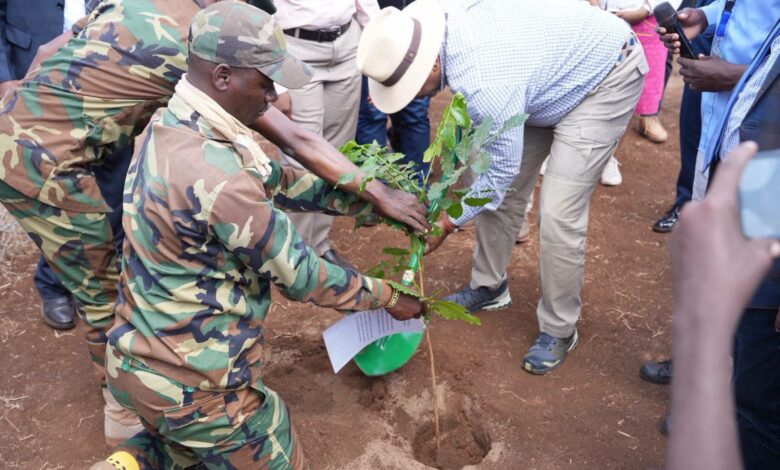
His Majesty King Letsie III highlighted the importance of agriculture, environmental conservation and skills development during his visit to the Taveta Sunflower Growers Processing Plant and the Rice Processing Plant. The visit showcased initiatives that are helping strengthen agricultural production while creating opportunities for local communities through value addition and vocational training. It also demonstrated the role that leadership can play in supporting projects that contribute to food security, economic growth and sustainable development. One of the most memorable moments of the visit was the symbolic planting of a Trichilia emetica tree, an indigenous species with significant economic and medicinal value. The King’s participation in these activities reflected his continued commitment to promoting agriculture, environmental sustainability and youth empowerment in Lesotho and across the region.
During the visit, His Majesty King Letsie III planted a Trichilia emetica tree, a species widely recognised for its multiple practical uses. The tree is valued for its high-quality timber, which is used in furniture making and construction because of its durability and attractive appearance. Its seeds produce oil that is used in cosmetics, traditional remedies and other commercial products, making it an important resource for rural communities. In addition, various parts of the tree have long been used in traditional medicine to treat different health conditions, contributing to its reputation as a valuable indigenous plant. By planting this tree, the King sent a strong message about the importance of protecting natural resources while encouraging the cultivation of species that can provide environmental, social and economic benefits for future generations.
The visit to the Taveta Sunflower Growers Processing Plant highlighted the growing importance of agricultural processing in strengthening rural economies. Processing agricultural products locally allows farmers to add value to their harvests instead of selling raw produce at lower prices. This creates opportunities for increased income, job creation and business development while supporting local food production. Sunflower processing is particularly important because it contributes to the production of cooking oil and animal feed, products that remain in high demand. Supporting such facilities helps improve agricultural sustainability while encouraging farmers to diversify their production and invest in higher-value crops.
His Majesty also toured the Rice Processing Plant, where he observed efforts aimed at improving food production and agricultural efficiency. Rice processing facilities play an essential role in ensuring that harvested rice meets quality standards before reaching consumers. They also help reduce post-harvest losses, improve product quality and increase the profitability of rice farming. Investments in agricultural processing infrastructure strengthen food security by ensuring that locally produced crops are processed efficiently and supplied to markets. Such developments support national efforts to reduce dependence on imported food while creating additional opportunities for farmers and agribusinesses.
Another major highlight of the visit was the first graduation ceremony held at Taveta Technical and Vocational College. The milestone event celebrated the achievements of 52 students who successfully completed certificates in agricultural vocational skills. Their graduation marked the beginning of a new chapter as they prepare to apply their knowledge in farming, agribusiness and related industries. Technical and vocational education continues to play an increasingly important role in equipping young people with practical skills that respond directly to labour market demands. By recognising these graduates, the ceremony demonstrated the growing value of vocational education in supporting agricultural transformation and economic development.
Agricultural vocational training provides students with hands-on experience that enables them to contribute effectively to modern farming systems. Graduates acquire practical knowledge in crop production, livestock management, agricultural technology and sustainable farming practices that can improve productivity and efficiency. These skills are especially valuable as countries seek innovative ways to strengthen food security while responding to climate change and changing market demands. Young people who receive specialised agricultural training are better positioned to establish their own farming enterprises or secure employment within the agricultural sector. Their expertise also contributes to stronger rural communities by promoting innovation, entrepreneurship and long-term economic resilience.
The King’s attendance at the graduation ceremony underscored the importance of investing in education alongside agricultural development. Successful agricultural industries require not only fertile land and modern equipment but also skilled professionals who understand how to maximise productivity while protecting natural resources. Encouraging vocational education helps build a workforce capable of supporting national development priorities and improving livelihoods. The recognition of the graduates served as motivation for future students to pursue careers in agriculture and related fields. It also reinforced the message that practical education remains essential for addressing employment challenges while supporting sustainable economic growth.
His Majesty King Letsie III’s visit to the Taveta Sunflower Growers Processing Plant, Rice Processing Plant and Taveta Technical and Vocational College demonstrated a strong commitment to agriculture, environmental stewardship and human capital development. The symbolic planting of the Trichilia emetica tree highlighted the importance of preserving valuable indigenous species that offer economic, medicinal and environmental benefits. The visit also celebrated the achievements of 52 graduates whose agricultural vocational training will help strengthen the future of the farming sector. These combined efforts reflect a broader vision of sustainable development built on education, innovation and responsible management of natural resources. By supporting agricultural processing, promoting environmental conservation and encouraging vocational training, King Letsie III continues to champion initiatives that can create lasting benefits for communities and contribute to long-term national development.
Join 'Lesotho News' WhatsApp Channel
Get breaking Lesotho news — delivered directly to your WhatsApp.
CLICK HERE TO JOIN